
Last updated November 15, 2026
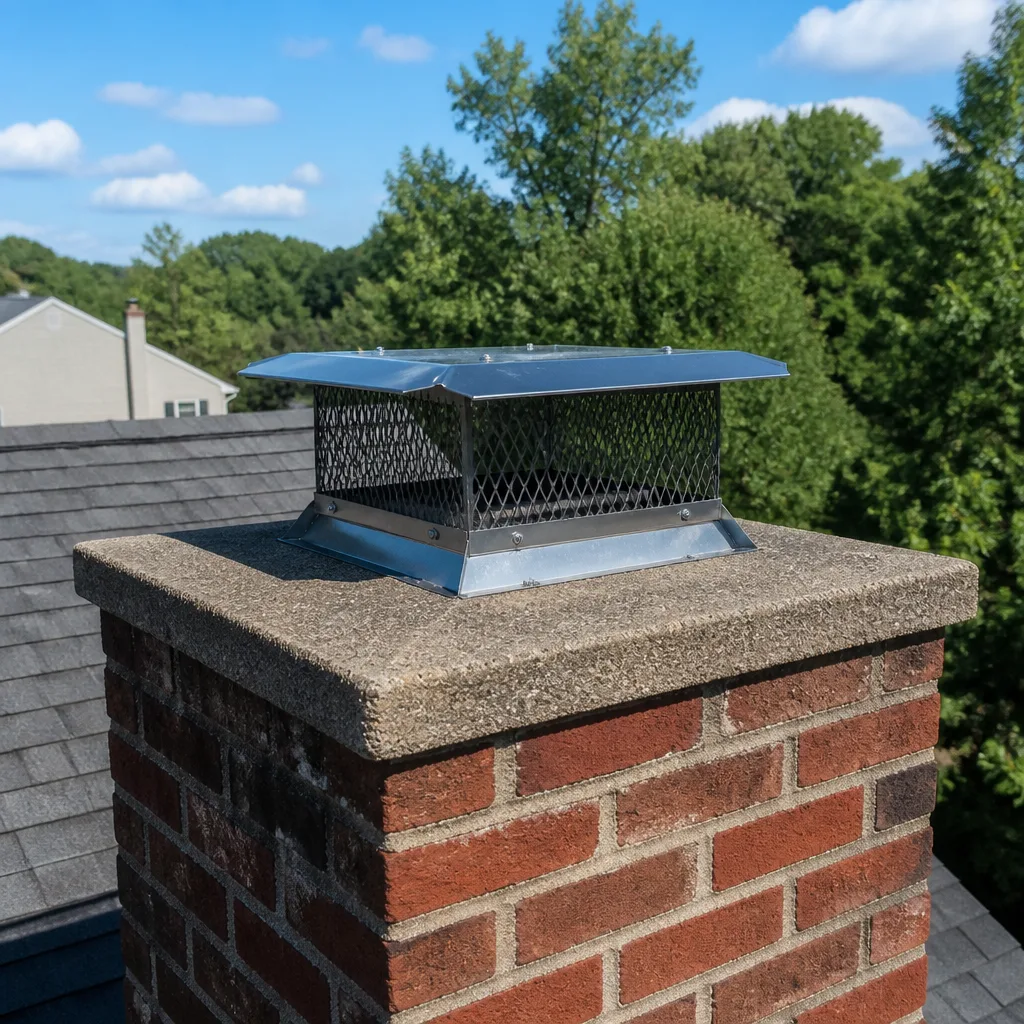 Sweep & inspection
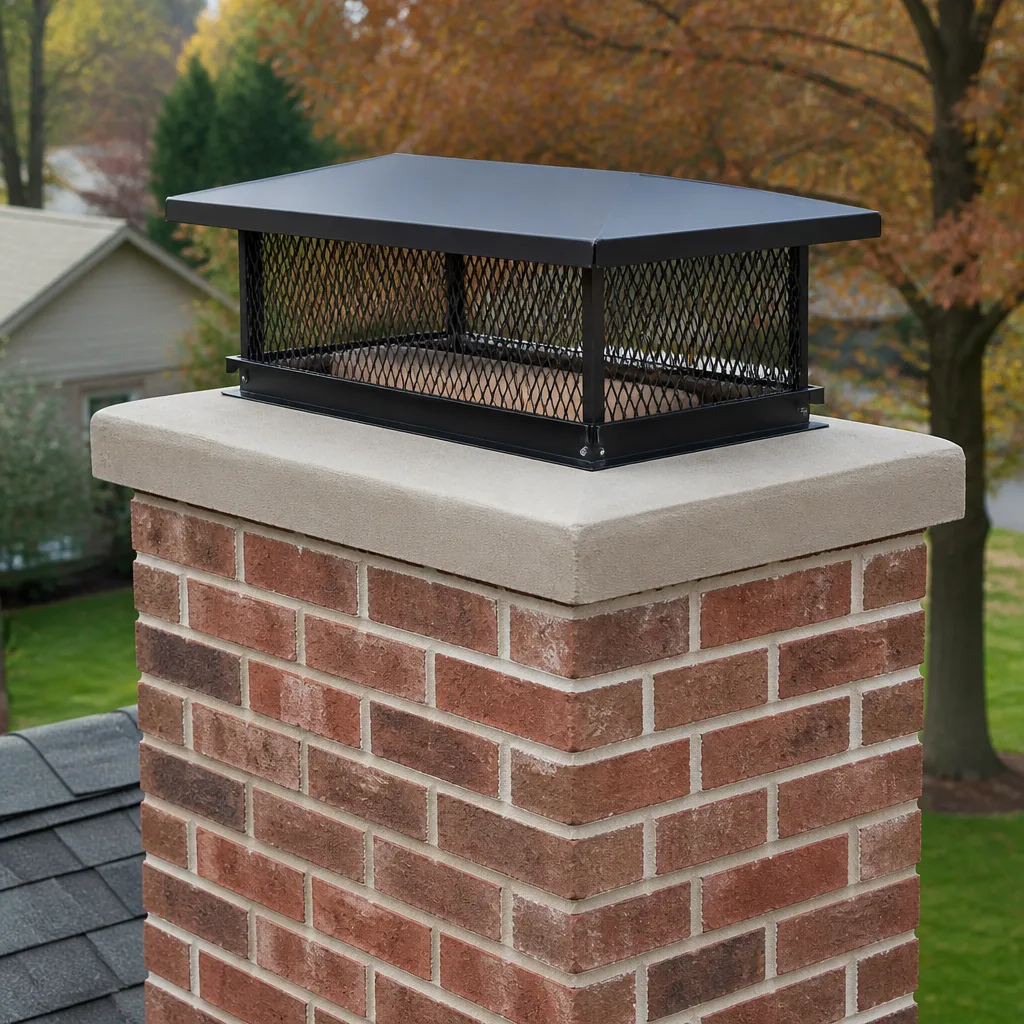 Caps & crowns
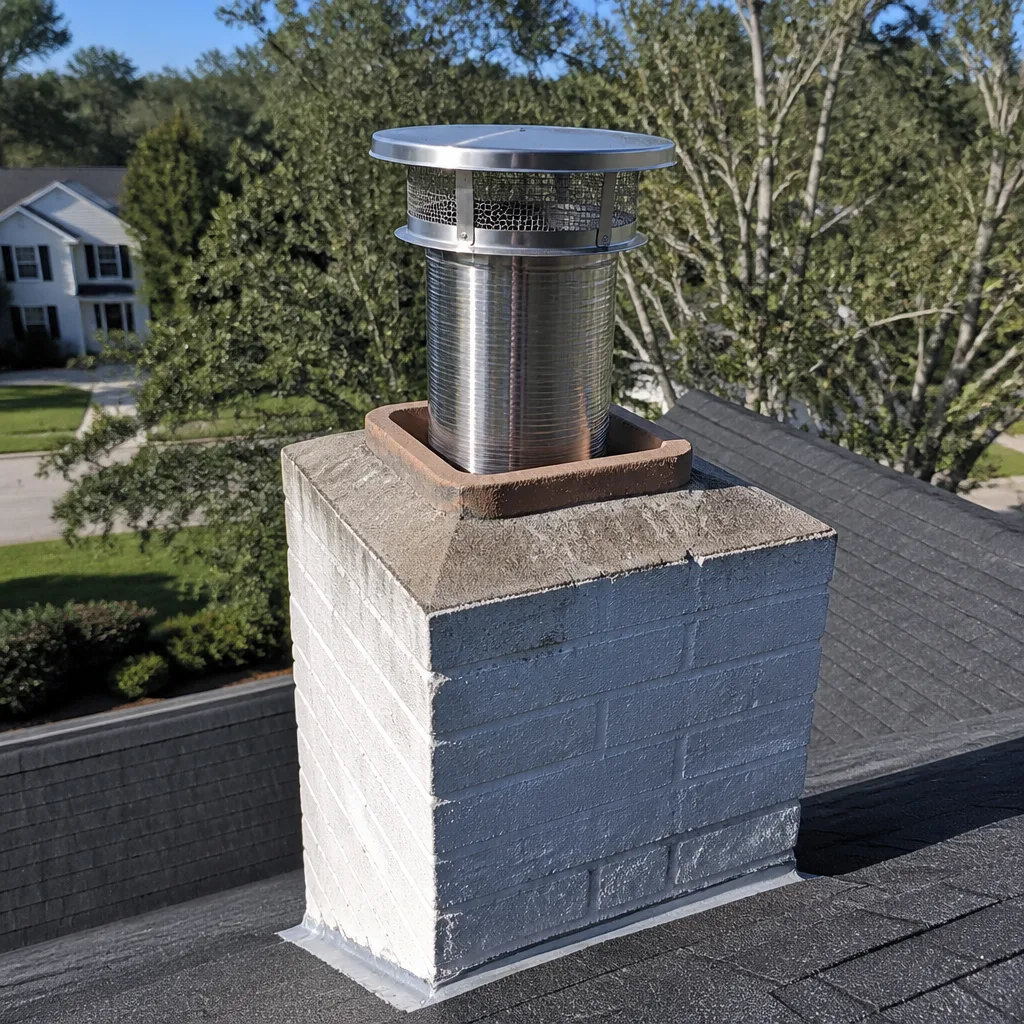 Flue relining
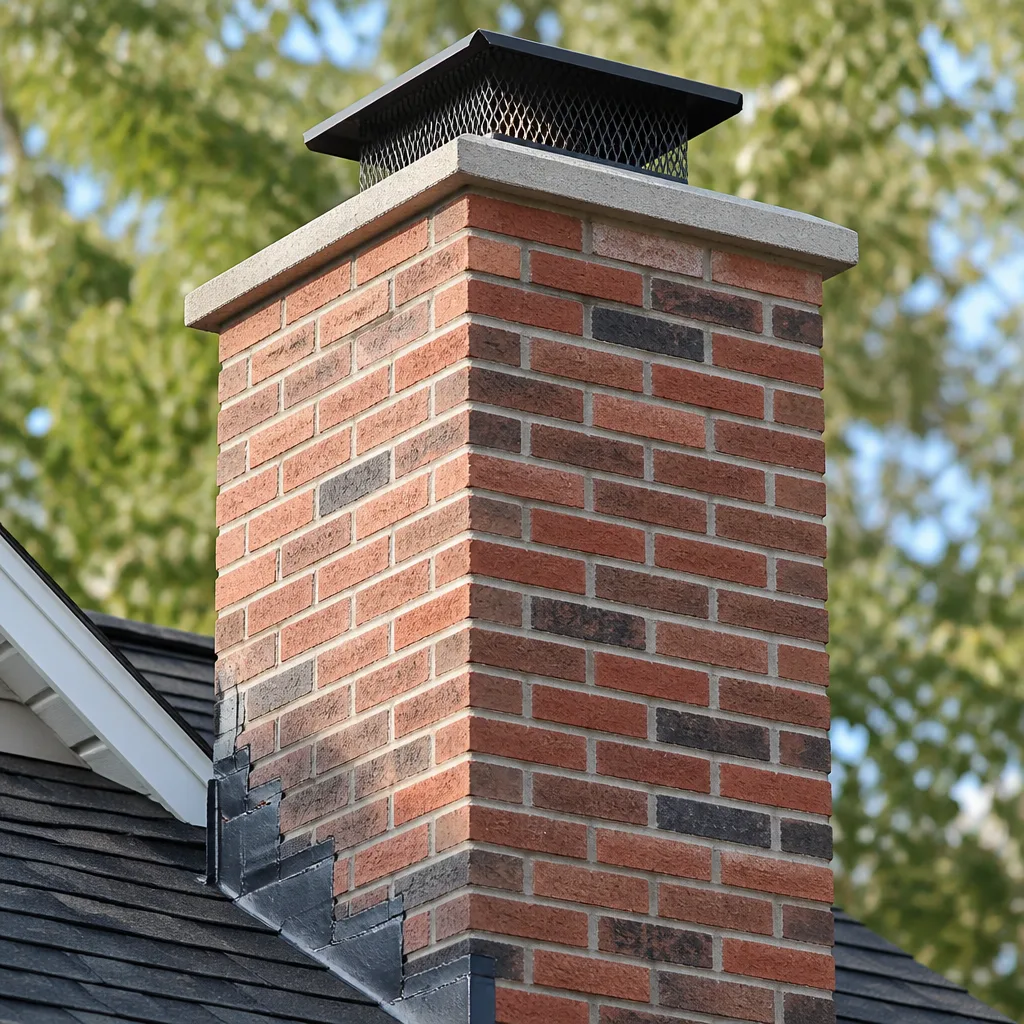 Masonry repair
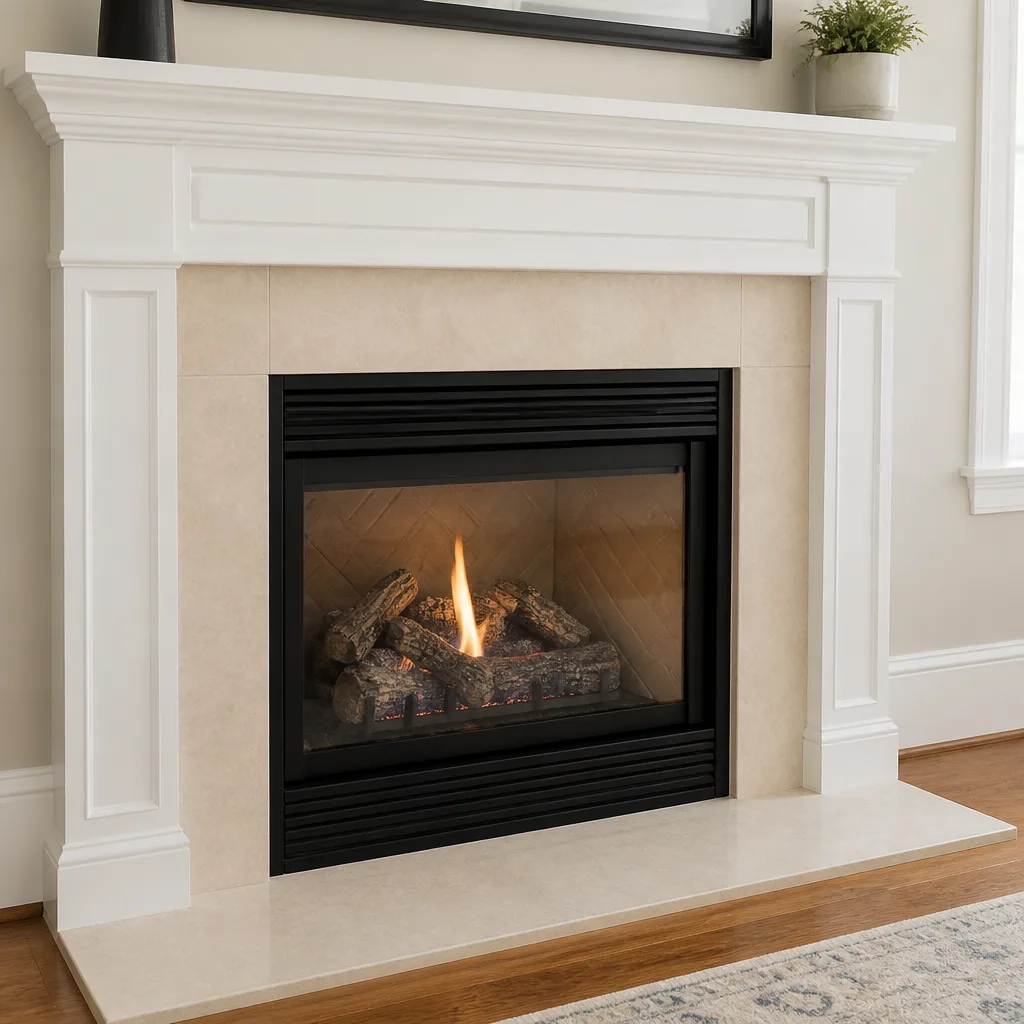 Gas fireplace service
Level 1 sweep and inspection to the NFPA 211 annual standard - flue, crown, cap, and flashing checked and photographed
Chimney sweep logs do not sweep chimneys. They loosen some creosote - which then falls where a brush and vacuum still have to collect it.
How to Hire a Chimney Cleaning Contractor in Charleston: A Step-by-Step Guide
Most homeowners assume that anyone who shows up with a brush and a shop vac is qualified to work on their chimney. In South Carolina, there’s no state license that says otherwise. Chimney sweeping isn’t a licensed trade here, which means a pressure-washing company, a general handyman, or a roofing crew can print “chimney sweep” on a business card tomorrow and be technically within the law. That puts the whole burden of verification on you, the homeowner, and most people don’t know what to ask. This guide walks through exactly what to check, what to request in writing, what the certifications actually mean, and the market-specific red flags we’ve seen in Charleston. By the end you’ll have a repeatable framework for choosing a contractor you can trust with a job that involves fire, carbon monoxide, and the structure of your home.
Quick Answer
Hire a chimney contractor in Charleston by verifying three things before anyone touches your chimney: current CSIA or NFI certification, a certificate of insurance that includes both general liability and workers’ compensation, and a written inspection report with photos delivered after every visit. Ask what camera equipment they use, get a fixed price in writing before work begins, and treat any same-day pressure to replace a liner as a reason to slow down, not speed up. The right contractor will welcome every one of those questions.
Styles & brands we work with
- Sweep & inspection
- Caps & crowns
- Flue relining
- Masonry repair
- Gas fireplace service
Table of Contents
- Why Hiring a Chimney Contractor in Charleston Is Different
- The Credentials That Actually Matter (and What Each One Certifies)
- Why a Written Inspection Report With Photos Is Non-Negotiable
- How to Read an Insurance Certificate (General Liability Isn’t Enough)
- Questions to Ask About Tools and Camera Equipment
- Red Flags Specific to the Charleston Market
- The Step-by-Step Hiring Process
- Why Full-Service Chimney Care Saves You a Second Search
Why Hiring a Chimney Contractor in Charleston Is Different
Charleston’s chimney market is crowded with generalists. Exterior cleaning companies, handyman services, and even roofing outfits tack chimney sweeping onto their service lists because the equipment is cheap and the demand is steady. What that means for you is a wide field of providers where a real specialist is the exception, not the rule. The problem isn’t that these companies are dishonest. It’s that sweeping a chimney properly requires knowing what to look for after the brush comes out, and a generalist often doesn’t have the training or the tools to look.
The second complication is verification. Because South Carolina doesn’t license chimney sweeps, there’s no state database to check, no license number to look up, no board complaint to review. The homeowner is the entire quality-control system. That reality shapes every recommendation in this guide: you have to ask, and you have to ask the right questions.
Charleston’s housing stock adds another layer. Many homes here have older masonry chimneys that have been through decades of hot, humid summers and mild, wet winters. That climate cycle – damp air for months, then the first fire of the season – puts stress on mortar joints and flue liners in ways that drier climates don’t. A contractor who only knows how to push a brush through a flue, and not how to evaluate what the brush reveals, is a liability in a market like this. Our technicians have up to experience working on exactly these kinds of chimneys, and we’ve learned that the inspection matters as much as the sweep.
None of this means every provider in Charleston is a risk. It means you need a filter. The rest of this guide is that filter, section by section.
The Credentials That Actually Matter (and What Each One Certifies)
Two certifications come up more than any others when homeowners ask how to vet a chimney contractor: CSIA and NFI. They’re not interchangeable, and understanding what each one covers will tell you a lot about what a contractor is actually qualified to do.
CSIA Certification
The Chimney Safety Institute of America (CSIA) certifies chimney sweeps and chimney professionals. A current CSIA certification means the individual has passed a written exam covering chimney construction, venting, inspection standards, and safety, and has committed to continuing education. It’s the baseline credential for anyone doing sweeping and inspection work. Ask for the certification number and confirm it’s current, because certification requires renewal.
NFI Certification
The National Fireplace Institute (NFI) certifies technicians in specific fuel and appliance categories – wood, gas, and pellet. NFI certification is about installation and service of hearth appliances and venting systems, not just cleaning. If your home has a wood stove or an insert, an NFI-certified technician is the person who understands how that specific appliance should be vented and maintained. For a straight wood-burning masonry fireplace, CSIA is the more directly relevant credential, but NFI tells you the contractor works on appliances as well as chimneys.
What Neither Certification Guarantees
Here’s what most homeowners don’t hear: neither certification is a state license, and neither one is required by law in South Carolina. A contractor without either can legally sweep your chimney. The certifications are a voluntary signal of competence, and in a market with no licensing, voluntary signals are the only ones you have. Ask for both, ask for proof, and treat a contractor who dodges the question as a contractor who doesn’t have them.
Manufacturer Authorization as a Third Signal
Beyond the two certifications, look at which product brands a contractor is authorized to work with. Liner and cap manufacturers don’t hand out authorization loosely. When a company works with brands like HeatShield and DuraFlex, it signals training in liner-resurfacing and flexible-liner systems – work that goes well beyond standard sweeping. It’s a useful third question: not just “are you certified?” but “which systems are you authorized to install?”
Why a Written Inspection Report With Photos Is Non-Negotiable
A chimney inspection without a written report and photos is a conversation, not a record. And a conversation is exactly what you can’t verify later, when you’re trying to decide whether a recommended repair is real or whether someone is selling you a liner you don’t need. The written report is your evidence, and it’s the single strongest protection you have in this market.
What a Proper Inspection Report Should Contain at Minimum
- A clear statement of what level of inspection was performed (Level 1, 2, or 3) and why that level was chosen
- Photos or video stills of the firebox, smoke chamber, damper, flue, and chimney cap
- Notes on any creosote buildup, with a description of the stage (glaze, flake, or crust)
- Condition of the flue liner, including any cracks, gaps, or missing sections
- Condition of the mortar joints and any signs of water intrusion
- An assessment of the chimney cap and crown, and whether they’re doing their job
- Clear recommendations, separated into “needs attention now,” “monitor,” and “can wait”
- A fixed-price estimate for any recommended work, in writing
If a contractor hands you a hand-written note that says “needs liner – $4,000” with no photos, that’s not an inspection report. That’s a bid without evidence. Ask for the photos. A contractor who did a real inspection will have them; a contractor who didn’t will get uncomfortable.
Why This Matters More in Charleston Than Elsewhere
The combination of no licensing and a competitive market means the written report is one of the few places where accountability lives. When we inspect a chimney in Charleston, the report and photos go to the homeowner whether or not any repair is needed. Nothing is recommended without camera evidence you can see for yourself, and if your chimney can safely wait another season, the report should say so. That’s not a sales philosophy – it’s what a genuine inspection produces. If you’re being told otherwise, get a second opinion before you spend a dollar on repairs.
How to Read an Insurance Certificate (General Liability Isn’t Enough)
Most homeowners know to ask for insurance. Far fewer know what they’re looking at when the certificate arrives, and that’s where the problem hides. A general liability policy alone does not protect you or the worker if someone gets hurt on your property.
The Two Policies You Need to See
- General liability insurance. This covers damage to your property if the contractor causes it – a dropped brush through a flue, a cracked crown, water damage from an improper sweep. The certificate should show current dates and coverage limits that aren’t token amounts.
- Workers’ compensation insurance. This covers the worker if they’re injured on your property. It’s the policy most homeowners forget to ask about, and it’s the one that matters most. If a technician falls from your roof and the company has no workers’ comp, the claim can come back to you as the homeowner.
What to Check on the Certificate
- The policy dates are current – not expired by even a day
- The business name on the certificate matches the name of the company you’re hiring
- Workers’ comp is listed as active, not just general liability
- The coverage limits are real numbers, not minimums that wouldn’t cover a serious claim
Ask to see the certificate before work is scheduled, not after. A contractor who works with an insurer will send it without hesitation. For what it’s worth, “insured and bonded” said out loud is not a certificate – get the document. If a contractor can’t produce it, that tells you everything you need to know. Insured and bonded means the paperwork exists, and it should be shown, not claimed.
Questions to Ask About Tools and Camera Equipment
This is the question almost no homeowner asks, and it separates a real chimney professional from a brush-and-vac operator faster than anything else. A chimney inspection is a visual inspection of a space you can’t see, and the only way to see it is with a camera. A contractor who can’t describe their inspection camera setup in specific terms is not doing a real inspection.
The Camera Questions That Get Real Answers
- What kind of inspection camera do you use, and what’s the resolution? A real chimney professional will name the type of camera and describe what it captures. Vague answers are a tell.
- Do you record video, and do I get a copy? Photos and video should be delivered to you, not held by the contractor.
- How do you inspect the smoke chamber? The smoke chamber is a tapered space above the damper, and it’s a common place for hidden problems. A contractor who skips it isn’t doing a Level 2 inspection.
- What do you use to clean the flue – poly brushes, rods, a rotary system? The tool choice depends on the flue type and the creosote stage. A single brush for every chimney is a sign of a one-size-fits-all approach.
- How do you handle a glazed creosote stage? Glazed creosote is hard and bonded to the flue. Standard brushing won’t remove it, and the answer should involve a specific chemical or mechanical process, not “we brush it harder.”
When you hire through Charleston Chimney Cleaning, the camera setup and the photo report are part of every inspection. Our technicians have up to experience with the equipment, and they can explain what they’re seeing while they’re seeing it.
One more tool question worth asking: what happens when the inspection finds a problem? A contractor who only sweeps will hand you a diagnosis and send you off to find someone else for the repair. A full-service company handles both. That’s why brand authorization matters – the ability to work with systems like Olympia Chimney and Gelco means the contractor can supply and install the parts the inspection calls for, instead of leaving you to source them.
Red Flags Specific to the Charleston Market
Some hiring mistakes are universal. Others show up specifically in a market like Charleston, where the barrier to entry is low and the pressure to upsell is real. Here’s what we’ve seen and what to watch for.
Pressure to Replace the Liner on the First Visit
This is the classic one. A contractor comes out to sweep, and within ten minutes you’re being told your liner is shot and needs full replacement, usually with no photos and no explanation of what “shot” means. Sometimes a liner really is failing. But a liner recommendation on a first visit, without a written report and photos, is a reason to slow down. Ask for the evidence. Get a second opinion. The chimney will still be there next week.
No Fixed-Price Estimate Before Work Begins
You should know the price before anyone starts. An hourly rate with no cap, or a “we’ll see what we find” approach to pricing, leaves you exposed. A written, fixed-price estimate before the job starts is the standard. If the scope changes mid-job because the inspection found something, that’s a separate estimate, in writing, agreed before the additional work begins.
Unmarked Vans and No Verifiable Business Identity
An unmarked van isn’t automatically a problem, but it’s a question. Ask for the business’s legal name, a certificate of insurance with that name on it, and its certification numbers. A contractor with nothing to show and no verifiable identity behind the van is a contractor you can’t hold accountable after the fact.
Cash-Only Payment and No Paper Trail
Cash isn’t inherently a red flag, but cash with no invoice, no receipt, and no written estimate is a pattern. You want a paper trail for the work performed and the price agreed. If a contractor insists on cash with no documentation, that’s a reason to look elsewhere.
Offering Chimney Service as an Add-On to Something Else
If the company you hired to pressure-wash your driveway offers to sweep your chimney while they’re there, say no. This is the Charleston special: generalists adding chimney work as a sideline. They don’t have the certification, the camera, or the training to evaluate what they find. Chimney work isn’t a sideline.
The Step-by-Step Hiring Process
Here’s the sequence, in order, from the first phone call to the finished job. Following these steps takes thirty minutes of your time and protects the safety of your home.
- Ask three questions on the phone before booking. Are you CSIA or NFI certified? Do you carry both general liability and workers’ comp? Do you provide a written inspection report with photos? If any answer is a no, keep looking.
- Ask for the certification numbers and the insurance certificate. Get both in writing, by email or in hand, before work is scheduled. Verify the policy dates are current and the business name matches.
- Ask about the inspection camera and what the report will contain. The answers tell you whether you’re hiring a chimney professional or a brush operator.
- Request a fixed-price estimate in writing. The price for the sweep and inspection should be clear before anyone starts. Any repair found during the inspection is a separate written estimate.
- Confirm the level of inspection. A routine annual maintenance visit is usually a Level 1 inspection. If you’re buying or selling the home, have changed the appliance, or had a chimney fire, you need a Level 2 inspection, which includes a video scan of the flue.
- Review the written report after the visit. Look for the photos, the creosote assessment, the liner condition, and the recommendations separated by urgency. If anything is unclear, ask.
- If repairs are recommended, get the evidence first. Read the report, look at the photos, and ask the contractor to walk you through what they found. If the recommendation is a liner replacement, ask why and what alternative approaches exist.
- Get a second estimate on anything major. A significant repair deserves a second opinion. Any honest contractor will respect the request.
If you’d rather start with a conversation than a checklist, call us and we’ll walk through it. A chimney sweep in Charleston shouldn’t be a leap of faith, and the questions above are exactly what a qualified contractor expects to hear.
Why Full-Service Chimney Care Saves You a Second Search
The most common hiring mistake we see is treating sweeping, inspection, and repair as three separate jobs with three separate contractors. It’s a reasonable assumption – the brush-and-vac guy is different from the liner specialist, who’s different from the cap installer. But it creates a specific problem: when the inspection finds a failing liner, the person who diagnosed it walks away and you’re back to the start, searching for someone to do the repair, with no record except a hand-written note.
Full-service chimney care means the same company inspects it and fixes it. The camera report from the sweep becomes the basis for the repair estimate. The contractor who found the problem is the one who resolves it. There’s no finger-pointing between contractors, no second search, and no gap where the diagnosis and the repair live in different hands.
That’s the model we use at Charleston Chimney Cleaning. Sweeping, inspection, and repair under one set of hands, with the material access to back it up. We work with six recognized industry brands – DuraFlex, HeatShield, Gelco, Olympia Chimney, Famco, and Copperfield – which covers the full range of what a chimney typically needs: flexible liners, liner resurfacing, caps, and venting. HeatShield and DuraFlex are the ones that matter most for interior restoration, and they’re a signal that the work goes beyond surface cleaning. Professional-grade materials, properly installed, in the hands of the company that did the inspection.
When you’re hiring in Charleston, that single-source accountability is worth asking about directly. “If you find a problem during the sweep, can you fix it?” A yes is a good sign. A “no, but here’s who to call” isn’t wrong, but it means you have two searches ahead of you instead of one. From sweep to repair, one call covers it.
Common Mistakes to Avoid
- Hiring on price alone. The lowest quote in the Charleston market is often the contractor with the least training and no camera equipment. The savings disappear the moment the inspection misses something, or the repair recommendation turns out to be a guess.
- Not asking for the insurance certificate. “Insured and bonded” said on the phone is not insurance. Ask for the document, check that workers’ comp is included, and verify the policy is current before work is scheduled.
- Accepting a hand-written inspection note. A real inspection produces a written report with photos of the firebox, flue, smoke chamber, and cap. If you get a note with a price and no evidence, you haven’t had an inspection.
- Agreeing to a liner replacement on the first visit with no photos. Sometimes a liner really does need replacement. But the recommendation should come with camera evidence you can see and an explanation you understand. If it doesn’t, get a second opinion.
- Hiring a generalist with a chimney sideline. In Charleston, plenty of pressure-washing and handyman companies add chimney sweeping because the equipment is cheap. They don’t have the certification, the camera, or the training. Chimney work belongs with a chimney professional.
- Skipping the annual inspection because the chimney “seems fine.” The problems that matter most – cracked liners, glazed creosote, gaps in the smoke chamber – are the ones you can’t see from the firebox. A chimney that seems fine can be the one that needs attention.
- Not getting a fixed price in writing. An open-ended hourly rate leaves you exposed. The price for the sweep and inspection should be agreed before work begins, and any additional repair is a separate written estimate.
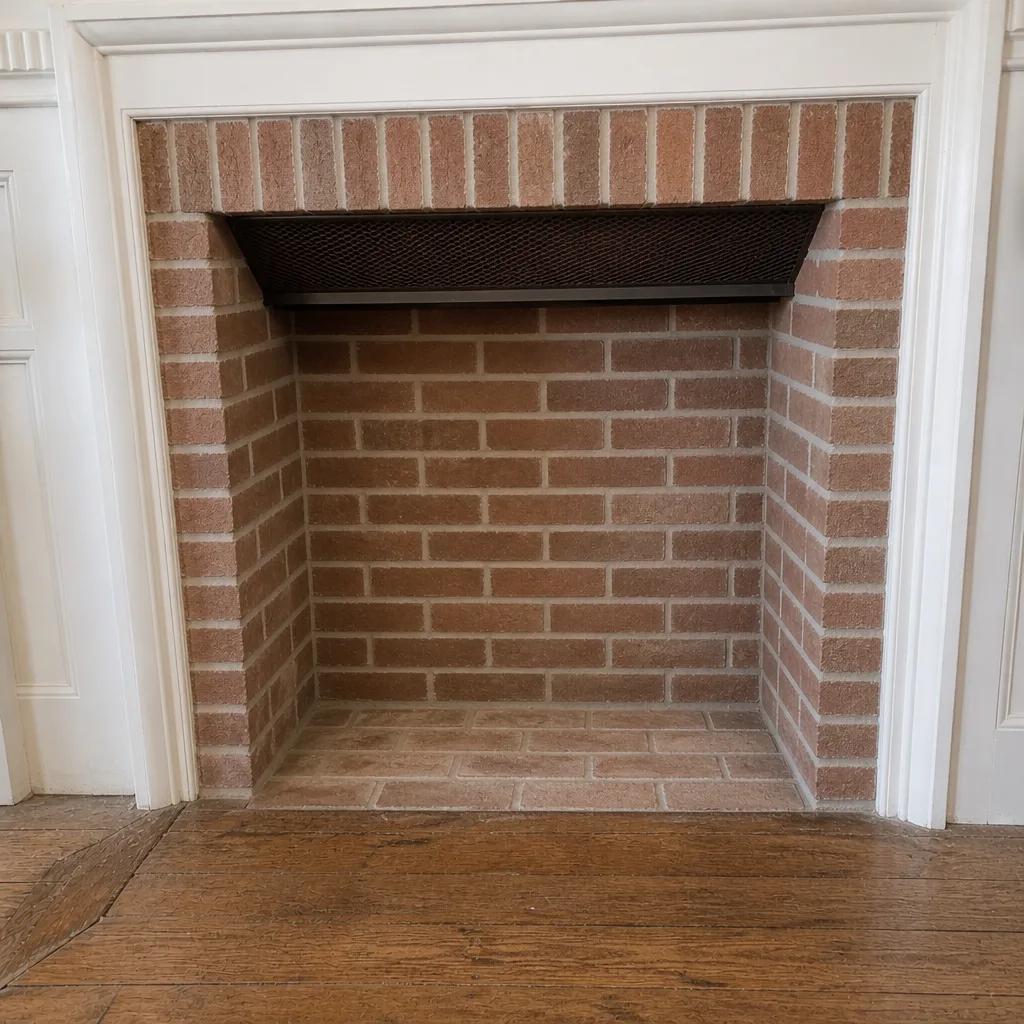
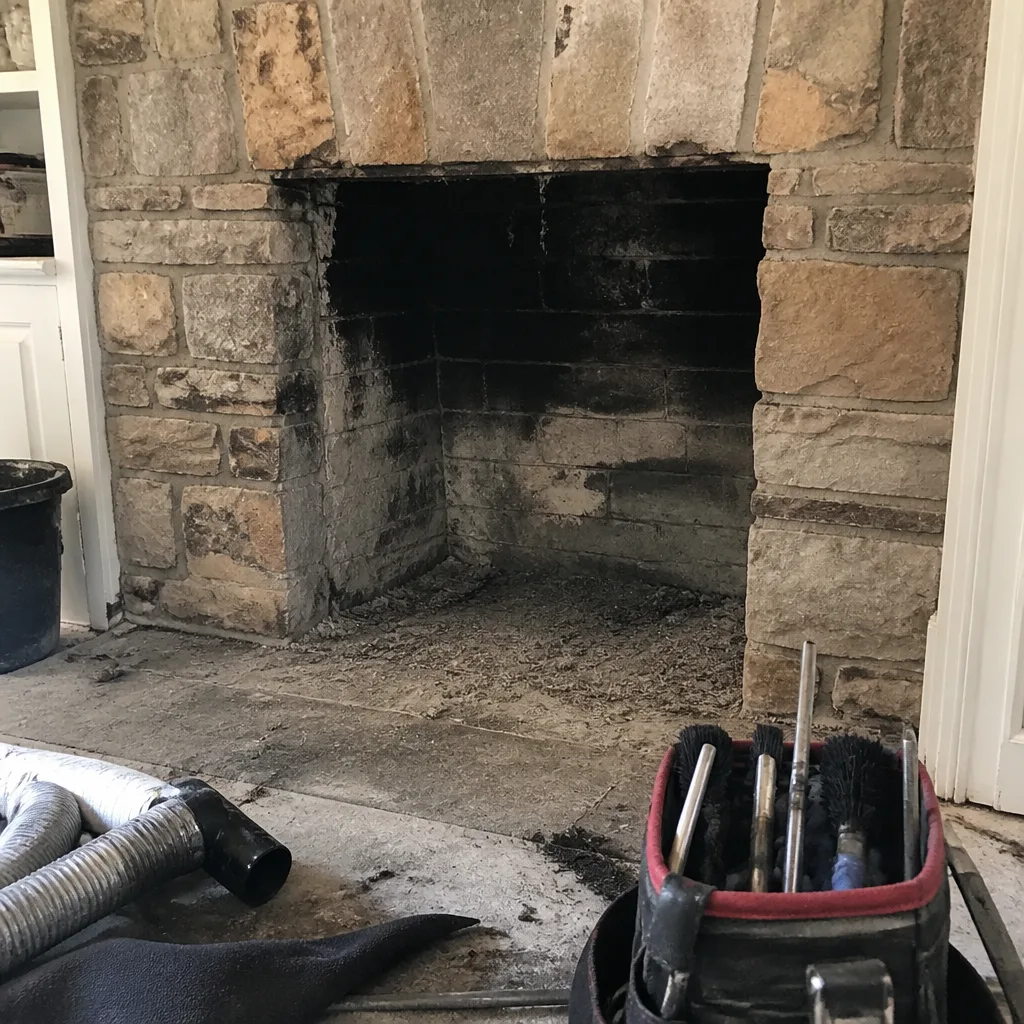
See the difference
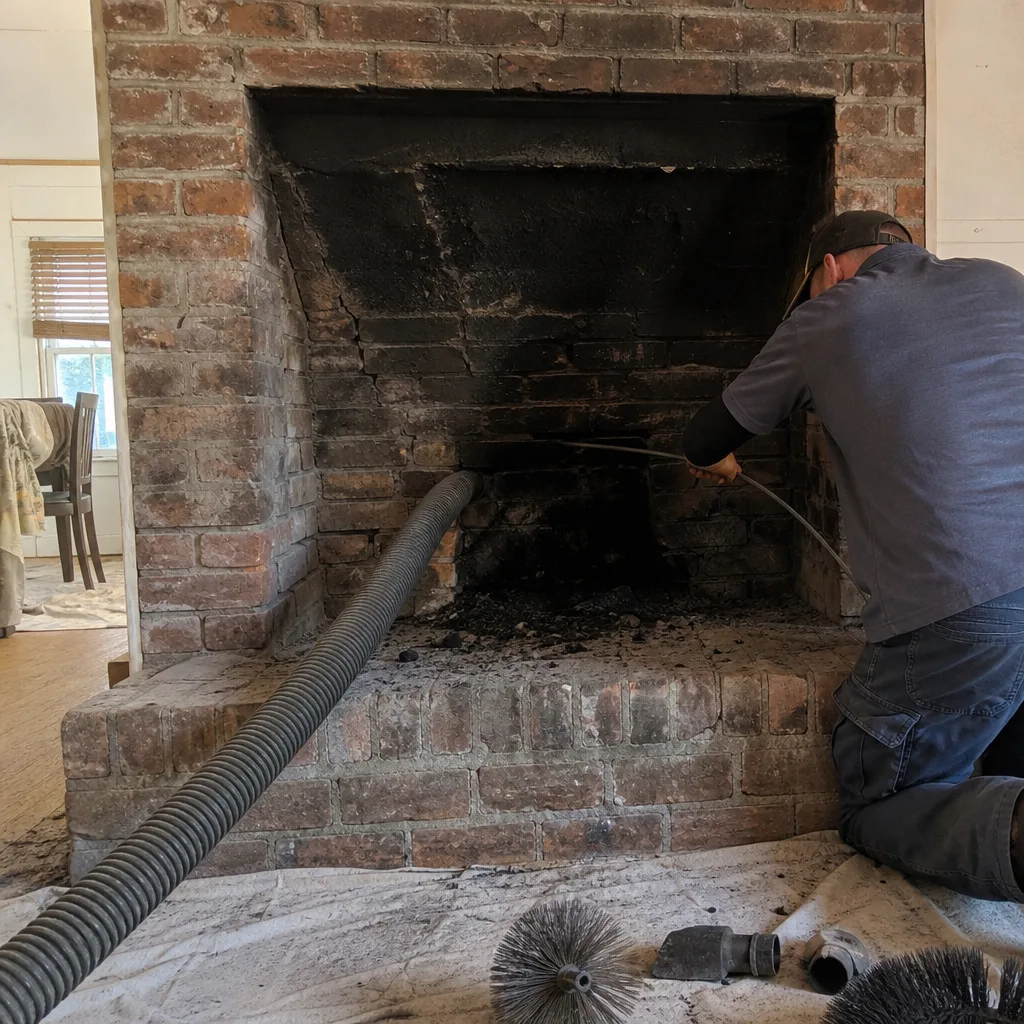 Before
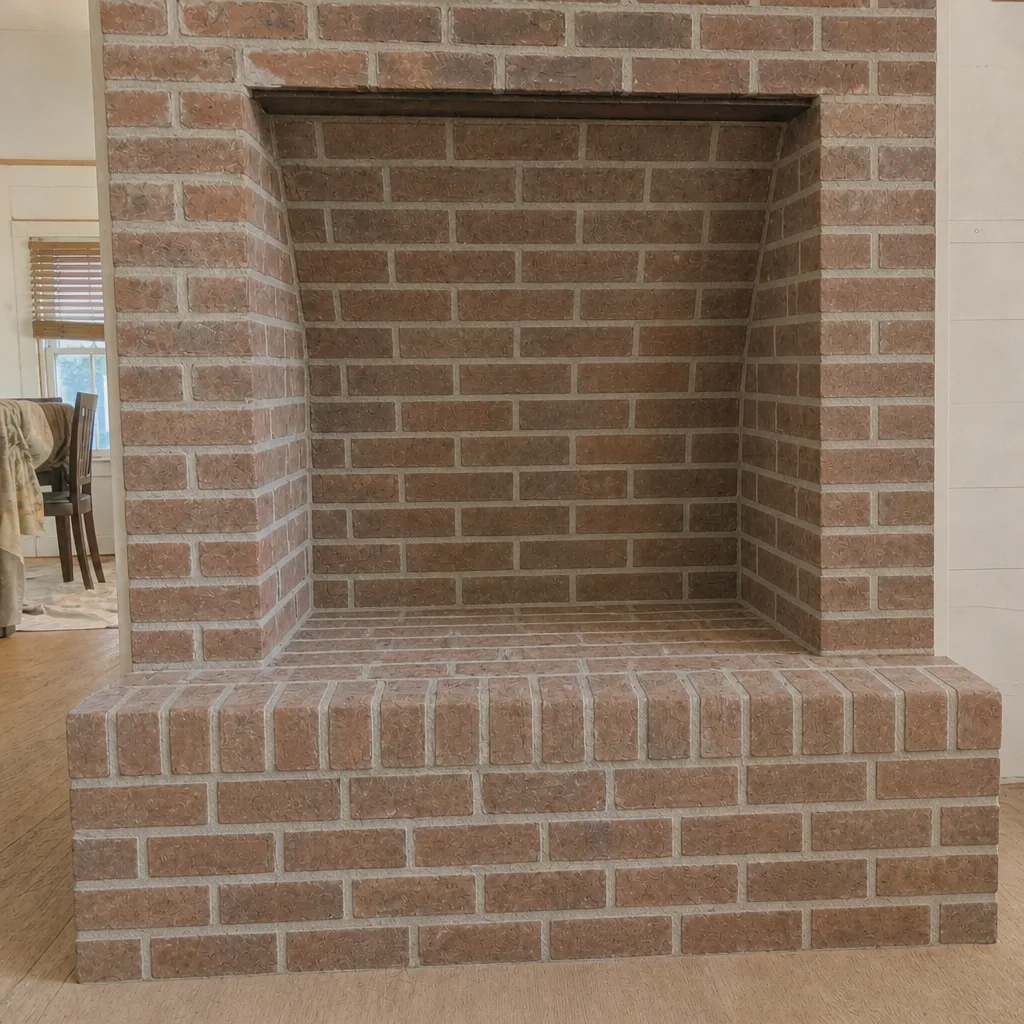 After
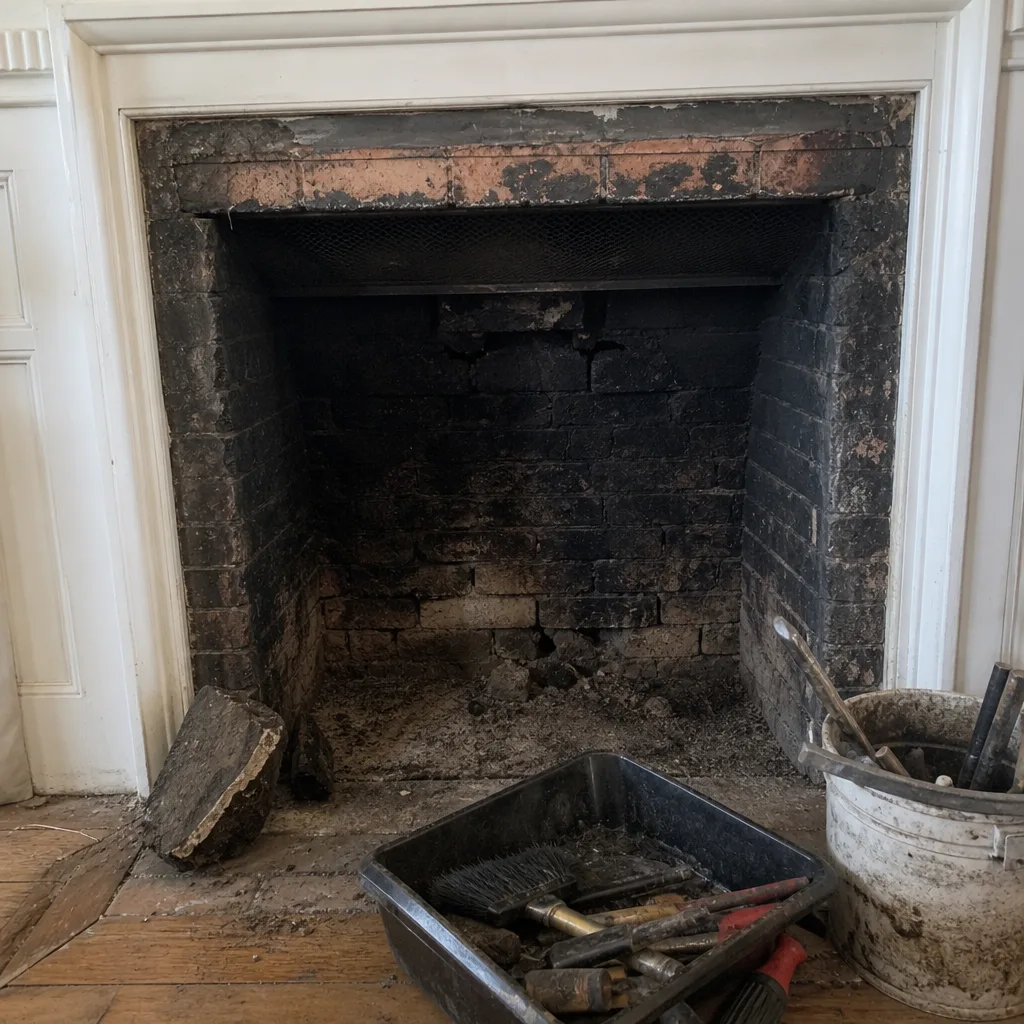 Before
 After
 Before
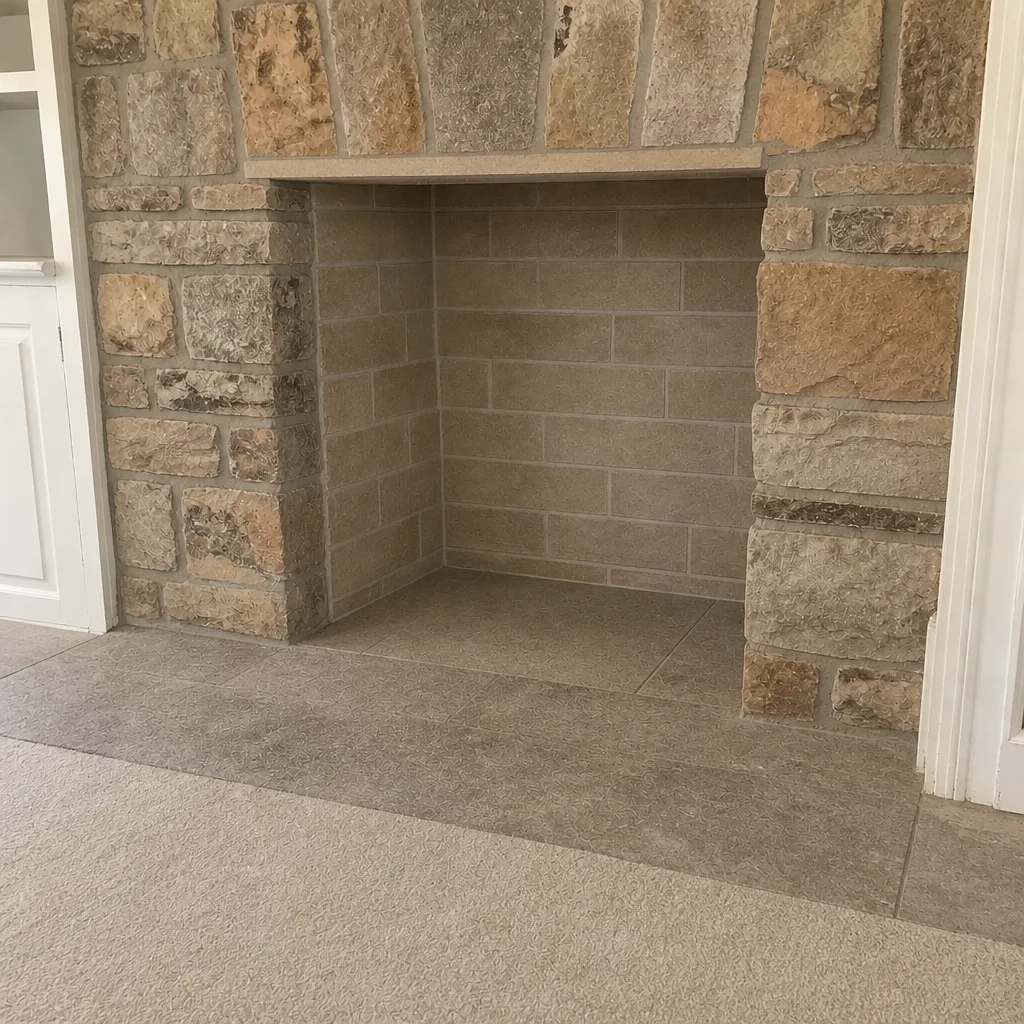 After
When to Call a Professional
Some chimney issues can wait for the annual inspection. Others shouldn’t. Call a professional if you’ve had a chimney fire, even a small one – the flue needs a Level 2 inspection with a camera to check for damage the fire may have caused. Call if you notice a strong creosote smell, especially on warm days, which can signal buildup that needs attention before the next burn season. Call if you see cracked or missing mortar, a damaged crown, a loose cap, or water staining on the chimney exterior. Call if smoke backs into the room when you light a fire, or if the damper doesn’t open and close smoothly. And call if it’s simply been a while since the last inspection – before the first fire of the season is the right window in Charleston. Charleston Chimney Cleaning offers free estimates in Charleston – call (866) 864-1983.
Frequently Asked Questions
The standard recommendation is once a year for a chimney in regular use. If you burn wood frequently through the cooler months, annual sweeping keeps creosote from building to a stage that’s harder to remove. A yearly inspection also catches liner and mortar problems early, before they turn into repairs. Charleston’s humid summers make the annual visit a good time to check for water intrusion as well. Call (866) 864-1983 to book a sweep – estimates are free.
No. South Carolina doesn’t license chimney sweeps, which means the burden of verifying competence falls on the homeowner. That’s why certifications like CSIA and NFI, a certificate of insurance with workers’ comp, and a written inspection report with photos matter so much here. None of them are legally required, which is exactly why they’re the signals worth asking about. Call (866) 864-1983 if you’d like to walk through the questions with us.
A Level 1 inspection is the routine annual check of the readily accessible parts of the chimney and appliance. A Level 2 inspection adds a video scan of the flue and is required when you’re buying or selling a home, after a chimney fire, or when the appliance or fuel type changes. A Level 3 inspection is a diagnostic inspection that may involve opening walls or removing parts of the chimney to access a problem. Most annual visits are Level 1; most real estate transactions call for Level 2. Call (866) 864-1983 to confirm which level your situation needs – estimates are free.
Not always, and that’s the trap. A liner replacement is a real repair when the liner is cracked, gaps are visible on camera, or the existing liner is the wrong type for the appliance. But it should be recommended based on camera evidence you can see, not a verbal diagnosis. Ask for the photos, ask what alternatives exist, and get a second opinion on any major recommendation. If the liner is sound and the issue is glazed creosote, a resurfacing approach may be the right answer instead – which is where systems like HeatShield come in. Call (866) 864-1983 for an honest assessment – estimates are free.
Ask what type of camera they use, whether they record video, whether you get a copy of the footage, and how they inspect the smoke chamber above the damper. A contractor who can describe their camera setup in specific terms is doing real inspections. A contractor who can’t is brushing and guessing. The photos and video should come to you with the written report. Call (866) 864-1983 – estimates are free.
Sometimes, and that’s the point of the inspection. A sweep cleans the flue; the inspection evaluates what the cleaning reveals – liner condition, mortar joints, the cap and crown, the smoke chamber. When something does need repair, the same company that found it can fix it, which is the advantage of hiring a full-service chimney contractor in Charleston instead of a sweep-only outfit. Nothing is recommended without camera evidence you can see, and if the work can safely wait, we’ll tell you that too. Call (866) 864-1983 – estimates are free.
The Bottom Line
Hiring a chimney contractor in Charleston comes down to verification, because the state doesn’t do it for you. Ask for current CSIA or NFI certification and confirm the numbers. Ask for a certificate of insurance that includes workers’ comp, and read the dates. Ask what camera equipment the contractor uses and what the written report will contain. Get a fixed price before work begins, and treat any first-visit liner replacement pitch without photos as a reason to slow down. The right contractor – full-service, properly certified, and willing to show the evidence – will welcome every one of those questions. That’s who you want on your roof.
Charleston Chimney Cleaning provides chimney sweeping, chimney inspection, and chimney repair for homeowners across Charleston. We work with DuraFlex, HeatShield, Gelco, Olympia Chimney, Famco, and Copperfield, and we deliver a written inspection report with photos after every visit. Our technicians have up to experience. Call (866) 864-1983 for a free estimate. We answer 24/7. Fast dispatch from 7am to 7pm, Sunday through Friday.
Written by the team at Charleston Chimney Cleaning.