
Last updated November 15, 2026
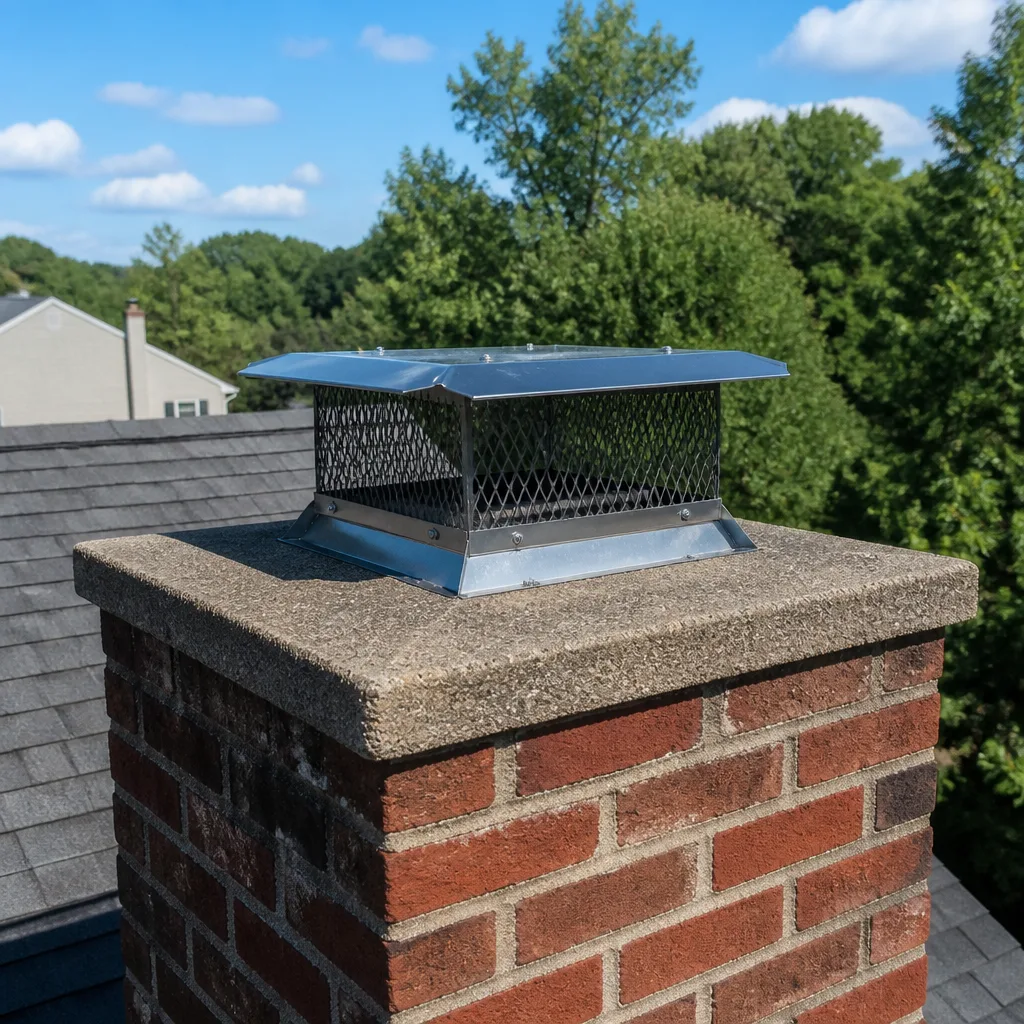 Sweep & inspection
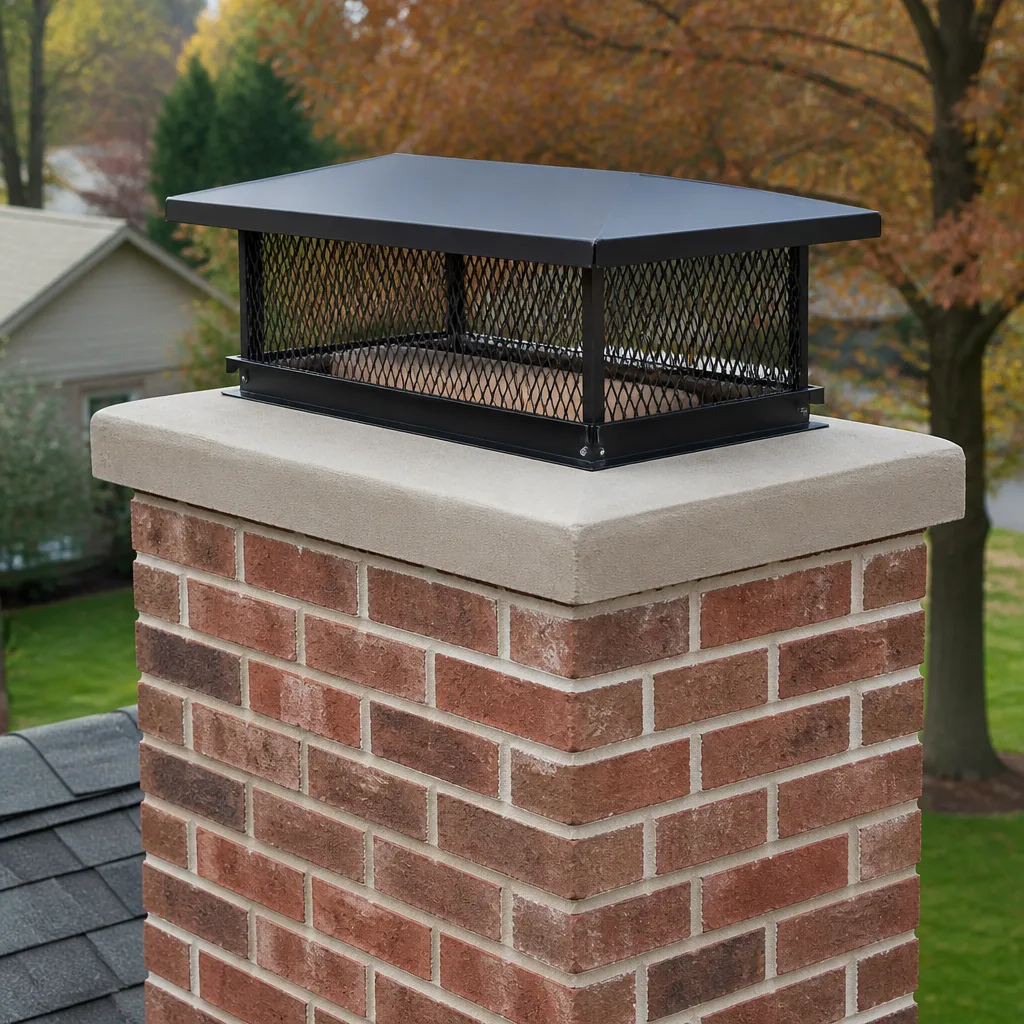 Caps & crowns
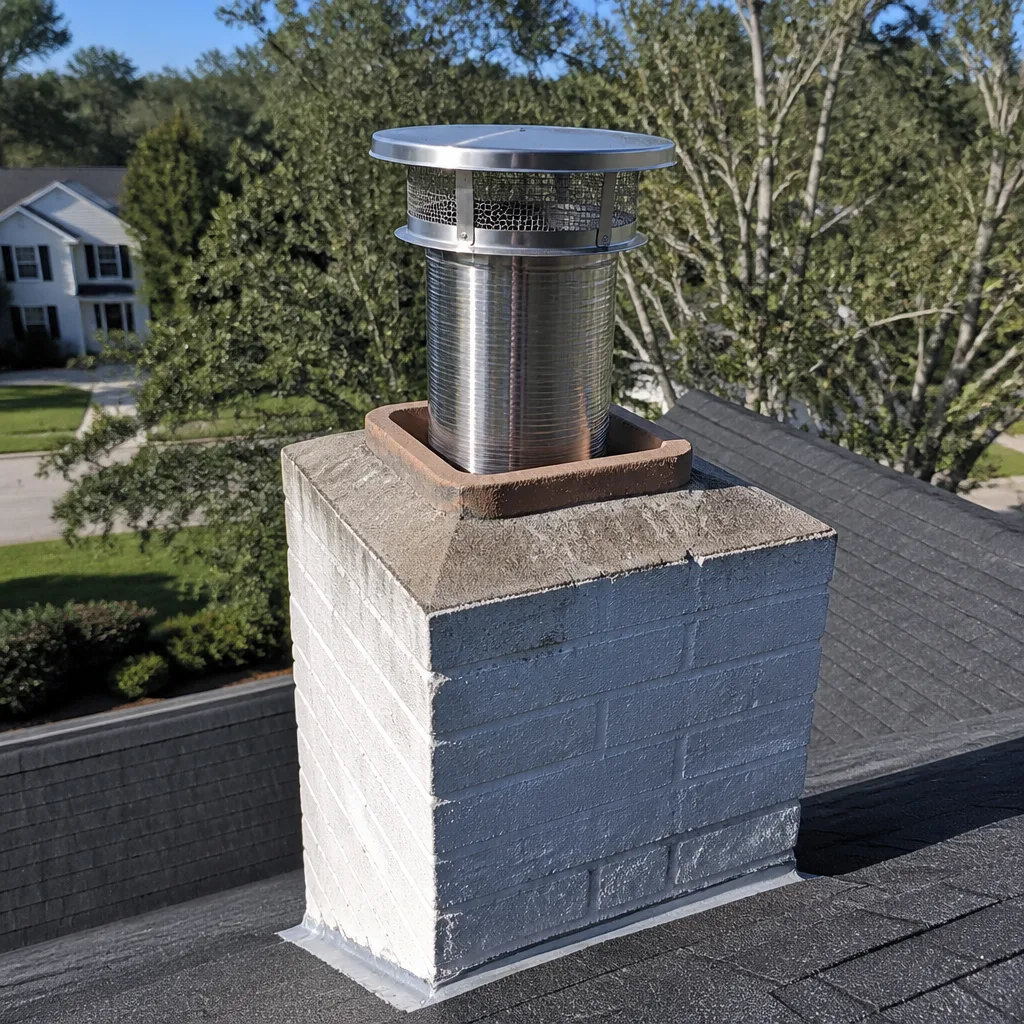 Flue relining
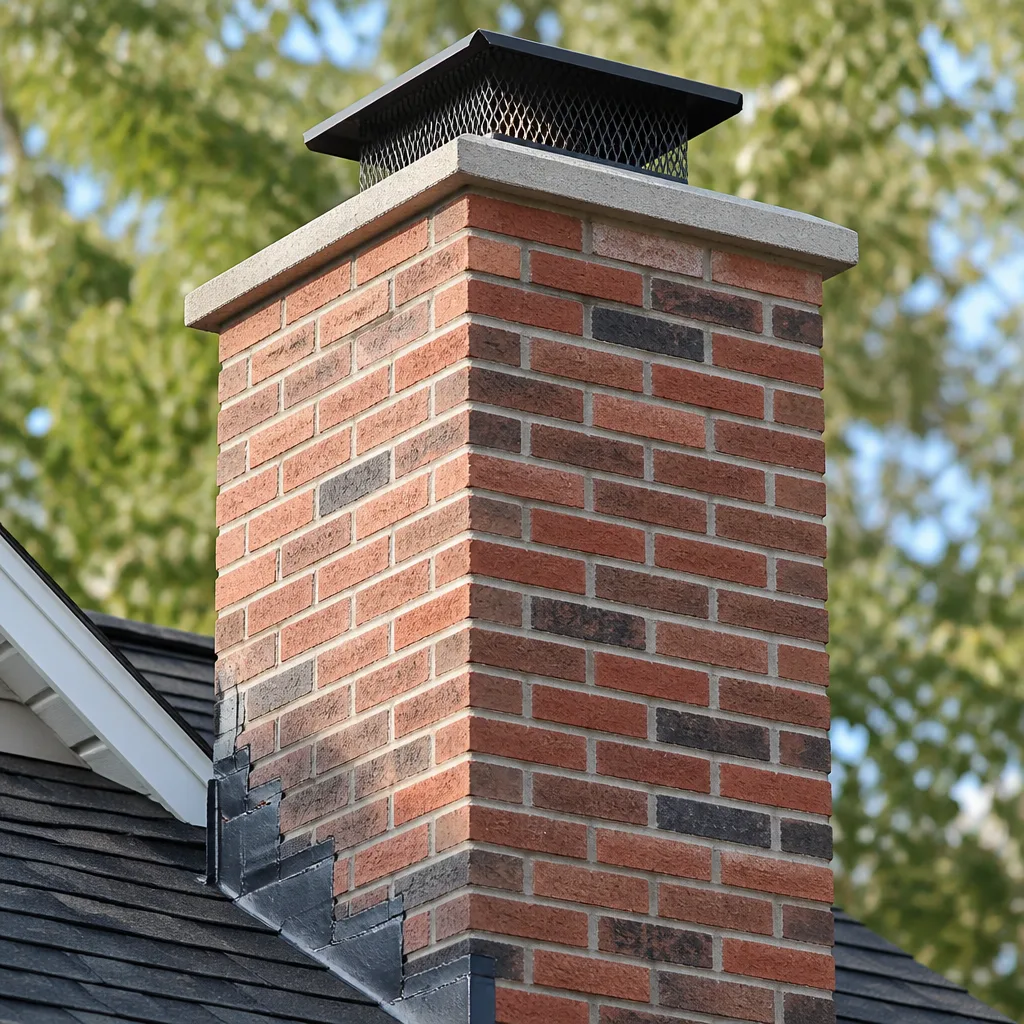 Masonry repair
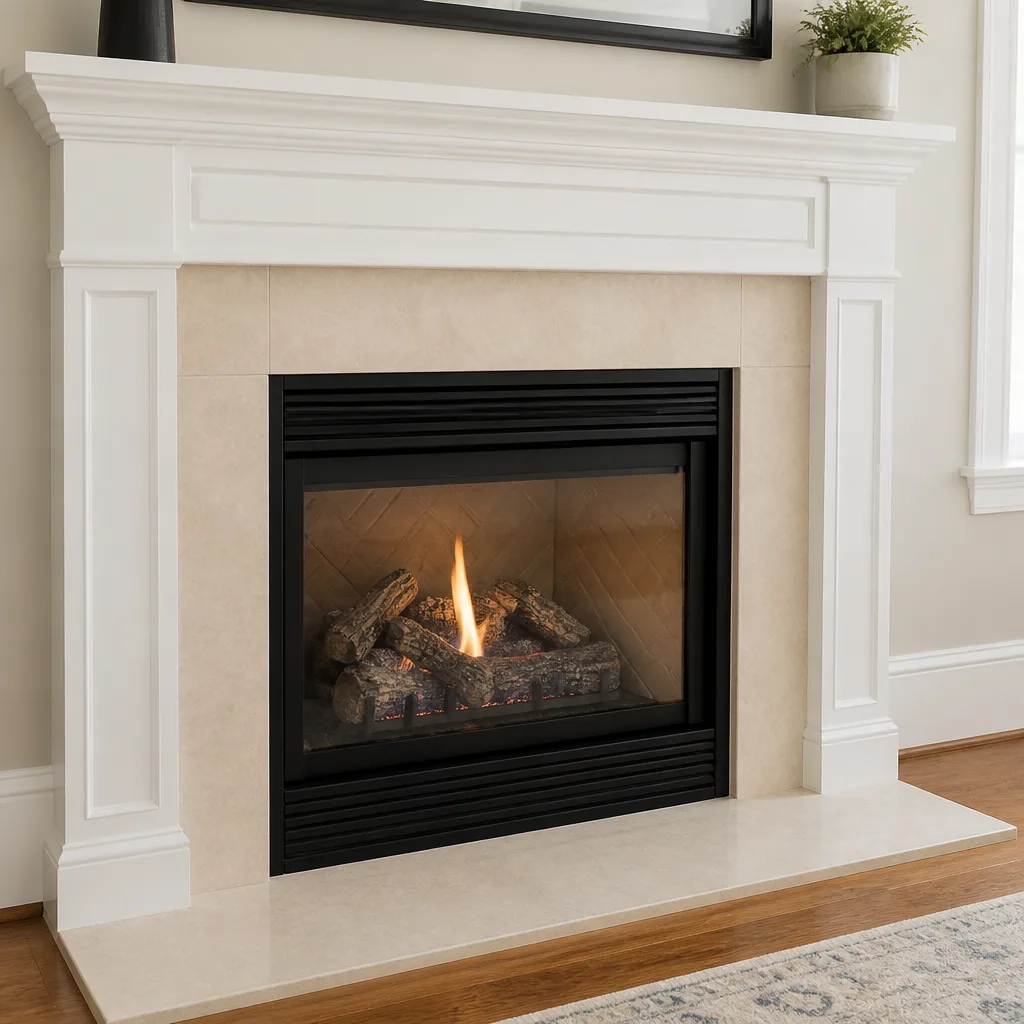 Gas fireplace service
Level 1 sweep and inspection to the NFPA 211 annual standard - flue, crown, cap, and flashing checked and photographed
Chimney sweep logs do not sweep chimneys. They loosen some creosote - which then falls where a brush and vacuum still have to collect it.
Seasonal Chimney Cleaning Care for Charleston: Year-Round Homeowner’s Guide
If you schedule your chimney sweep in November like most national guides suggest, you’ve already missed the two damage windows that matter most in Charleston: late summer moisture intrusion and September storm debris. The advice that works in New England – clean in the fall, burn through the winter, rest until next year – lands out of order here. Charleston’s humidity peaks in July and August, hurricane season runs from June through November, and the first fire you light in October arrives after months of heat and rain have already worked on the masonry. This guide lays out a Charleston-specific calendar: what to inspect, when, and what early signs to watch from inside the home. It’s the schedule we wish every local homeowner had before problems start.
Quick Answer
Get a chimney inspection and sweep in Charleston in late August or early September, before your first burn and after the summer humidity peak. Schedule a post-storm check after any named hurricane or high-wind event, even if the chimney looks intact from the ground. Spring and early summer are the best times for repairs and moisture work, because those jobs need dry conditions to cure properly.
Styles & brands we work with
- Sweep & inspection
- Caps & crowns
- Flue relining
- Masonry repair
- Gas fireplace service
Table of Contents
- Why Charleston’s Chimney Calendar Is Different
- The Late-Summer Inspection: Your Highest-Value Appointment
- Post-Hurricane Chimney Protocol: What to Check After Wind Events
- Spring and Summer Humidity: Efflorescence and Mortar Joint Erosion
- Gas Logs Still Need Seasonal Attention
- Coordinating Chimney Care With HVAC Tune-Ups
- How Often Should You Sweep in Charleston?
- Building Your Charleston Chimney Calendar
Why Charleston’s Chimney Calendar Is Different
Charleston’s climate puts more stress on a chimney during the off season than during the burning season. That’s the opposite of what most national chimney guides assume. In a cold climate, the chimney’s main enemy is repeated freeze-thaw cycling on saturated masonry. In Charleston, the enemy is a long, humid warm season that keeps the masonry damp for weeks at a time, plus a storm season that can drop limbs and displace caps.
Three climate factors drive the local calendar:
- High summer humidity. Warm, moist air works into brick, mortar and clay flue tile and stays there. Damp masonry is weaker masonry, and it’s the condition that lets water damage compound quietly for months.
- Hurricane season, June through November. The peak overlap with fall is real. Wind-driven rain, debris and fallen limbs are common, and the damage isn’t always visible from the driveway.
- Short, mild burning season. Most Charleston homeowners burn fewer hours per year than homeowners up north. Creosote still builds, but slower. It’s moisture and storm damage, not creosote volume, that usually drive repair recommendations here.
Add in the age and construction of much of the local housing stock – older brick chimneys with single wythes, and newer homes with framed chimneys and manufactured fireboxes – and you get a calendar where inspection timing matters far more than sweeping frequency. That’s the core idea in this guide, and it’s the one thing we want Charleston homeowners to take away if they take away nothing else.
The traditional advice to “get it swept before you burn” isn’t wrong. It’s just incomplete. The most valuable appointment on a Charleston calendar is a check in late summer, when the hot season’s cumulative effect on the masonry has already shown up and there’s still time to fix it before the first fire.
The Late-Summer Inspection: Your Highest-Value Appointment
A late-August or early-September chimney inspection is the single most useful appointment a Charleston homeowner can schedule. Here’s why: by then, the chimney has survived a full summer of humidity, rain and storm exposure, and any developing problem is visible to a trained eye. The first fire of fall is still a few weeks out, so there’s time to make repairs without rushing. And by the end of the appointment, you know the actual condition of your flue, cap, crown and joints before you burn anything.
What a late-summer inspection covers
- A visual check of the firebox, damper and smoke chamber. We look for moisture staining, cracked firebrick, damaged damper gaskets, and rust on metal components.
- A flue check. Depending on your chimney type, this means looking up the flue with a camera and checking for cracks, gaps in the flue tile, or animals’ nests.
- A roof and crown inspection. We check the crown for cracks and the cap for damage or missing hardware.
- A sweep if the creosote layer warrants it. The sweep is usually done as part of the same visit, so you don’t pay for two trips.
- A written report with photos. You should be able to see what we see. Any repair recommendation comes with photographic evidence, and anything that can safely wait is labeled as something you can put off.
Scheduling in the same window each year builds a maintenance record for the chimney. If a problem appears, we can compare it to the previous report and see how fast it’s progressing. That’s far more useful than a one-off visit with no history behind it.
If you’re also due for a sweep, the inspection and the sweep usually happen in the same appointment. A full chimney sweep appointment at that time of year also lets us measure the creosote buildup from the just-ended burning season and set expectations for the next one.
For homeowners with wood-burning fireplaces or stoves who burn regularly, the late-summer inspection is non-negotiable. It’s also the right time of year to book any chimney repair work, because the dry fall weather is good for masonry work and there’s still time to get everything finished before the first fire.
Post-Hurricane Chimney Protocol: What to Check After Wind Events
A chimney can tolerate a named storm and still come out structurally compromised, even if the outside looks completely intact from the ground. After any hurricane or high-wind event in Charleston, it’s worth walking a few specific checks before you light the fireplace.
The post-storm checks you can do from the ground
- Look at the crown and cap. Use binoculars from a distance. Look for a missing or tilted cap, or visible cracks in the concrete crown at the top of the chimney.
- Check the flashing where the chimney meets the roof. From a safe angle on the ground, look for lifted or dented metal. Failed flashing lets rain in for months before you notice a stain.
- Look for debris on the roof and around the chimney base. Fallen limbs, shingles and leaves can sit against the chimney for weeks.
- Smell for a wet, smoky or musty odor indoors. That’s a signal that water has found its way into the flue or firebox.
- Listen for new drafts or whistling. New sounds from the fireplace opening usually mean the cap, damper or flue connection has changed.
None of these checks replaces a proper inspection, especially if you’re a Charleston homeowner with a chimney you haven’t had looked at in a year. A camera inspection of the flue after a wind event can catch a flue tile that’s been knocked out of alignment or a joint that’s opened up. If we find something, we say so, and we show you the photo. If we don’t, you get peace of mind that your chimney came through the storm fine.
If a storm has damaged a chimney cap, we work with Gelco caps as part of our sweep-and-inspection service, so a damaged cap can be replaced in the same visit rather than left open to the next rain event. Leaving a cap missing is one of the most common causes of water damage in Charleston chimneys, and it’s an easy fix to schedule.
Storm damage is one of the biggest reasons a recommended repair gets pushed back. If the chimney needs work, we’ll tell you what’s urgent and what can wait until the weather is dry. Nothing gets recommended that isn’t shown in a photo report you can see for yourself.
Spring and Summer Humidity: Efflorescence and Mortar Joint Erosion
Spring and early summer are when Charleston’s chimney damage starts – quietly, and often invisibly from outside. The problem isn’t burning, it’s moisture. Damp masonry from weeks of high humidity creates the conditions for two specific problems: efflorescence and mortar joint erosion.
What efflorescence looks like
Efflorescence is the white, chalky powder that appears on brick and mortar as moisture moves through the masonry and carries salts to the surface. On its own it isn’t structural damage, but it’s a reliable signal that water is moving through places it shouldn’t. If you see fresh white powder on the inside of the firebox wall or on the brick around the hearth, that’s worth a professional look.
What mortar joint erosion looks like
Mortar is softer than brick, and over years it erodes first. Inside the home and on the chimney chase, look for:
- Recessed or crumbly mortar between bricks, especially on the upper sections of the chimney
- Visible gaps or cracks in the joints after a wet season
- Stains on the interior firebox wall that appear after rain
- White powder (efflorescence) on the brick or mortar
- A grittily textured floor around the base of the chimney
Once mortar joints are eroded enough, the brick above can shift. That’s the point where a routine inspection turns into a repair conversation. Catching it early means the repair is smaller and less expensive. Catching it after a hurricane or a wet summer can mean a much bigger job.
Spring and early summer are the best months for the repair itself, because masonry and liner work need dry conditions. The repair and resurfacing work we do with HeatShield and DuraFlex happens after the inspection has identified the problem, and we plan the schedule around the weather so the work cures correctly. If you’ve been told you need a new liner, or that the existing flue needs resurfacing, spring is the season to get that scheduled, not fall. That gives the work time to settle and dry long before the first fire.
Gas Logs Still Need Seasonal Attention
Homes with gas logs or gas fireplaces have a lower sweep burden, but they aren’t off the hook. Gas units don’t produce creosote, but they do share the same chimney structure with the outdoors, and in Charleston’s humidity that structure lives with moisture. Gas logs also create a nesting site for wildlife looking for a quiet place to raise young.
Why gas logs still need an annual check
- Moisture intrusion. A gas fireplace doesn’t dry out a chimney the way a wood fire does. Damp masonry from summer humidity can lead to erosion and, over time, interior damage.
- Critter intrusion. A missing or damaged cap is an open door for birds, squirrels and wasps. Gas flues are often left open for months and are prime territory.
- Venting. The flue and vent components that move combustion gas out of the house need to be checked. We work with Famco venting products as part of that service, so a damaged or undersized vent can be identified and fixed properly.
- Safety. Carbon monoxide produced by gas appliances needs a clean, unobstructed path out of the house. A nest, cracked flue tile or disconnected vent is a safety problem, not a cosmetic one.
- Component wear. Gas burners, valves and connections age whether you use them or not. The annual inspection is a chance to flag anything that looks ready to fail.
For a gas-log home, the seasonal appointment is slimmer than a wood-burning sweep but still worth doing. Sweep, inspect, check the cap and check the vent, and you’ve covered the full system.
Coordinating Chimney Care With HVAC Tune-Ups
Many Charleston homes share a chimney flue with a gas furnace, water heater or boiler. In some cases they’re in the same chimney chase; in others, they’re in the same venting system. That means chimney timing and HVAC timing can be coordinated so neither contractor surprises the other.
How to line up the two appointments
- Book the HVAC tune-up first. Have your HVAC company check the furnace flue connection and the venting at the same time they service the unit. Anything they flag, note it.
- Book the chimney inspection for the same window. If the HVAC service is in September, aim for the chimney inspection within a week or two. That way any flue or vent issue is caught while the HVAC tech’s findings are fresh.
- Share the report. If the HVAC company found a disconnected furnace flue or a rusted vent, bring that up when the chimney inspector comes. This is exactly the kind of issue that gets missed when the two appointments happen months apart.
- Check the shared chase for weather damage. A single chimney chase that serves both the fireplace and the furnace gets the same rain and wind as the rest of the chimney. A cap issue that lets water in can affect the furnace vent, not just the fireplace.
This kind of coordination saves a step or two. If a vent connector turns out to be damaged, we can address it at the same time as the chimney repair. Olympia Chimney components are part of our range for venting and cap situations, along with the HeatShield, DuraFlex, Gelco and Famco material we work with. That means most repair jobs identified in the inspection can be handled in the same visit or the next one, not a month later after parts are ordered.
For most Charleston homeowners, the shared-flue situation looks like this: fireplace flue, furnace vent, water heater vent and dryer vent all in the same chase. Only one of those is in our scope – the chimney and venting – but the yearly check is a good moment to make sure everyone’s component parts are accounted for.
How Often Should You Sweep in Charleston?
For most Charleston homeowners who burn wood regularly, an annual inspection is the baseline, with an actual sweep when the creosote layer reaches a quarter-inch or when the inspection shows buildup or a blockage. A home that burns a fire most nights through the winter will need a sweep more often than one that lights it on weekends in January and February.
Here’s a rough Charleston benchmark:
- Casual burning (a fire a few dozen times per season): annual inspection, sweep roughly every other year unless the inspection says otherwise.
- Regular burning (a fire most nights in the cool months): annual sweep and inspection.
- Wood stove or insert as a primary heat source: annual sweep and inspection, sometimes more than once a year, depending on the burn rate.
- Gas logs or gas fireplace: annual inspection, no sweep unless the inspection shows debris or critter activity.
- Any chimney after a named storm or high-wind event: a check regardless of the calendar.
These aren’t precise numbers. The right interval depends on how you burn, what you burn (seasoned hardwood produces less creosote than green wood or pine), and the condition of your flue. The inspection is what gives you the answer for your home. Any reputable chimney service in Charleston should be able to tell you how much creosote is in the flue and why it recommends a sweep or not. If the answer is vague, ask for the photo.
If you’ve been skipping the inspection because you assume an annual sweep is all you need, this is where the guide earns its keep. An annual inspection with photographic evidence is what protects you from two common failure modes: a sweep that doesn’t catch structural problems, and a repair recommendation that isn’t backed by pictures you can assess for yourself.
Building Your Charleston Chimney Calendar
Here’s the annual calendar we recommend to Charleston homeowners. It’s a starting point, and the inspection report is what sets the actual dates for your home.
- August/September – late-summer inspection and sweep. The highest-value appointment of the year. Catches problem areas from the summer humidity before the first fire.
- September/October – post-storm checks. If a named storm comes through in this window, do the ground-level checks and schedule a camera inspection if anything looks off.
- November through February – burn season. If you notice smoke spillage, a weak draft, or a strange smell, schedule an inspection. Don’t ignore a change in how the fireplace performs.
- March/April – post-season sweep if you burned heavily. End-of-season sweeping keeps creosote from sitting in the flue all summer.
- April through June – repair window. If the inspection found mortar erosion, a liner issue or a cap problem, schedule the repair now. Dry weather makes for better masonry and liner results.
- June through August – humidity watch. Watch for efflorescence, damp smells, or staining inside the firebox. These signals warrant a call rather than a wait.
The calendar is flexible. Some homeowners need only two appointments a year; others with heavier use or a repaired chimney will want three. What matters is that the inspection happens, that it produces a written report with photos, and that the repair work uses professional-grade materials rather than whatever the local hardware store happened to have on the shelf.
The materials matter here. When we use HeatShield for resurfacing or DuraFlex for a flexible liner application, we’re matching the material to the chimney’s condition, not reaching for a universal-fit substitute. That’s the difference between a repair that holds through Charleston’s next humid summer and one that starts failing by the next inspection.
Common Mistakes to Avoid
- Waiting until November to schedule the sweep. November is after the summer moisture damage has already happened and after storm season has peaked. By then you’re scheduling a reactive fix instead of preventive maintenance. Aim for August or September.
- Skipping the inspection because the chimney “looks fine” from outside. Most of the problems a trained eye catches aren’t visible from the ground. A camera inspection sees the flue tiles, the joints and the crown in ways the driveway view cannot, and that’s why we include photos in every report.
- Ignoring a missing or damaged cap. A damaged cap is one of the most common causes of interior water damage in Charleston, and replacing one is a small job that prevents a bigger one. If the cap is gone, get it replaced before the next rain.
- Fixing mortar and brick issues in the middle of a wet season. Masonry repairs made in rainy conditions don’t cure properly. Schedule the work for a dry spell instead of forcing it in the middle of storm season.
- Assuming a gas fireplace doesn’t need a check. Gas units don’t produce creosote, but they do let moisture and critters in through the same chimney structure that serves a wood-burning fireplace. An annual visual inspection plus a cap check is a cheap safeguard.
- Splitting the inspection and repair between contractors. One company inspecting and a different one repairing creates finger-pointing when something fails. Single-source accountability matters when the repair is on the flue, the cap or the crown.
- Not asking to see the report. A recommendation without photos is a recommendation you can’t evaluate. Ask for the visual evidence before you agree to a repair, and ask what happens if you wait a season. Any honest chimney service will tell you the difference between urgent and non-urgent work.
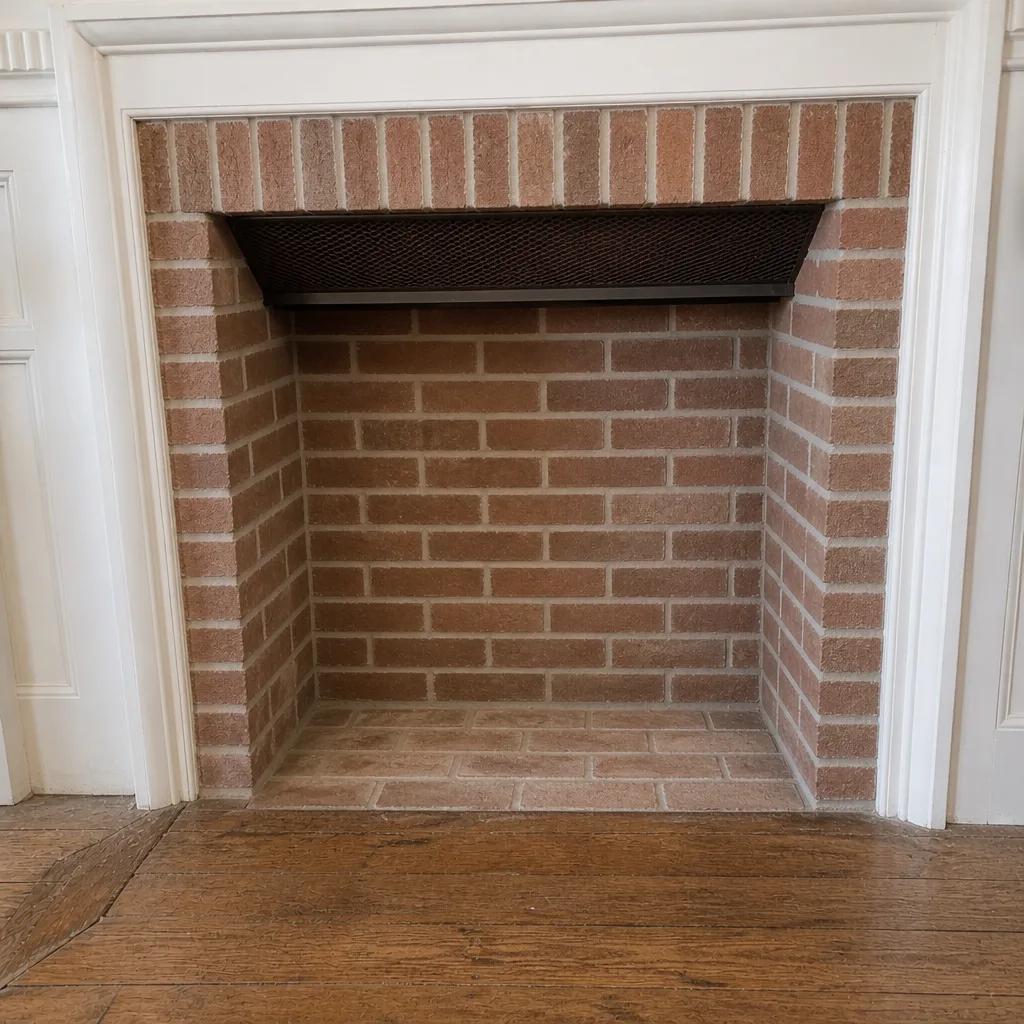
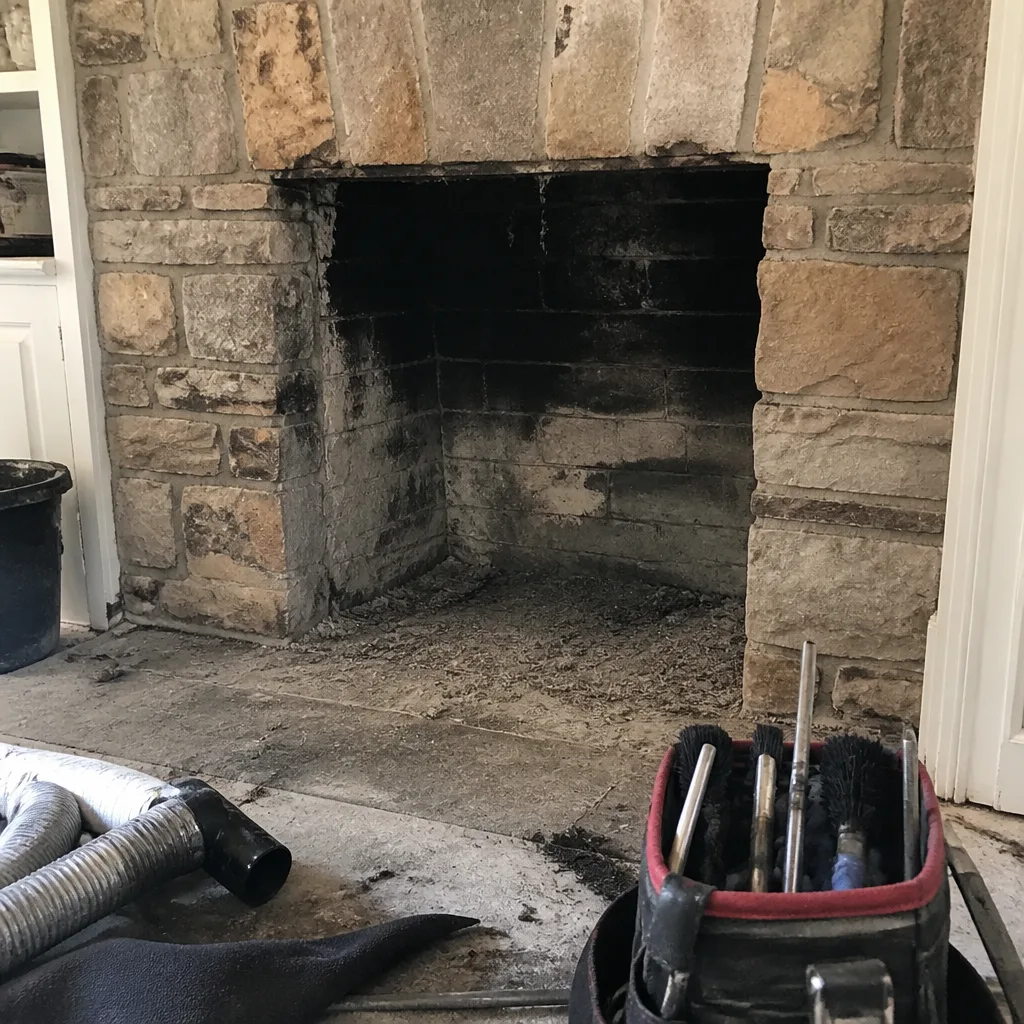
See the difference
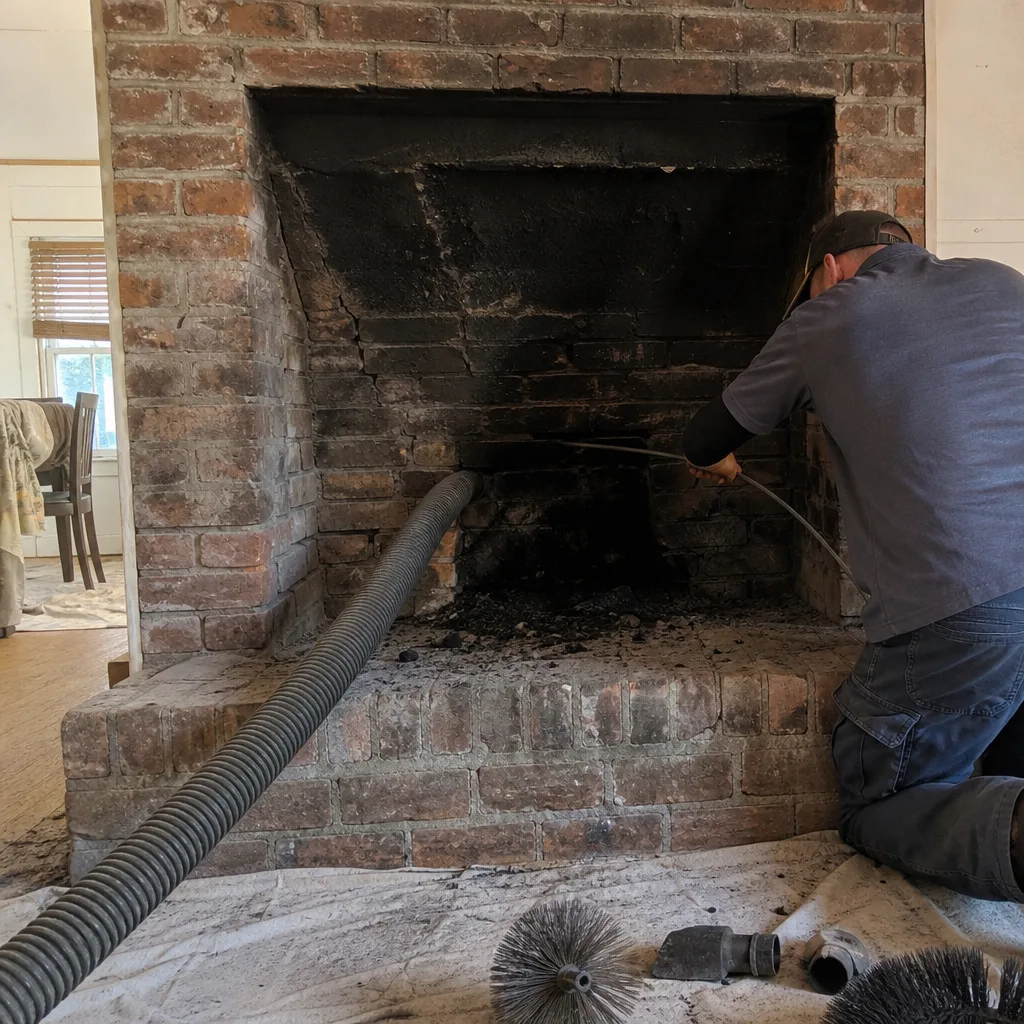 Before
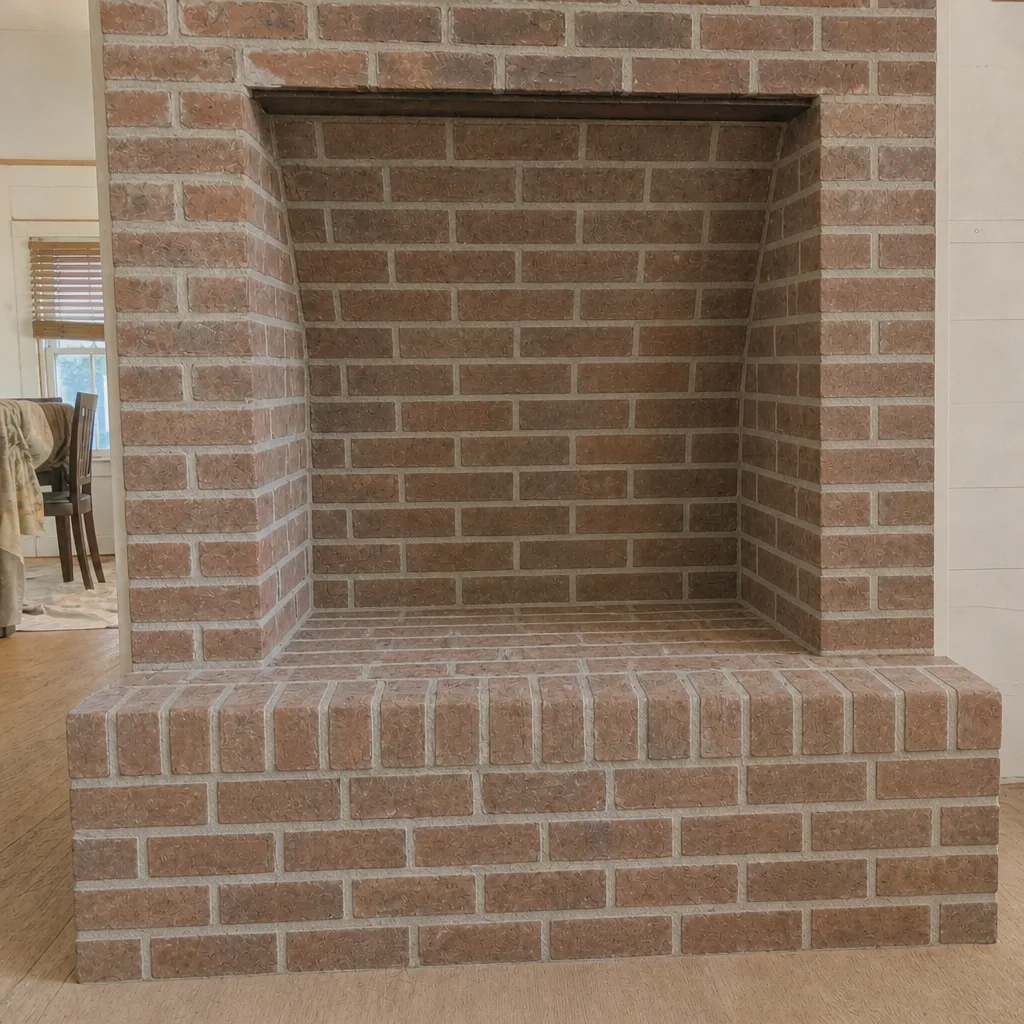 After
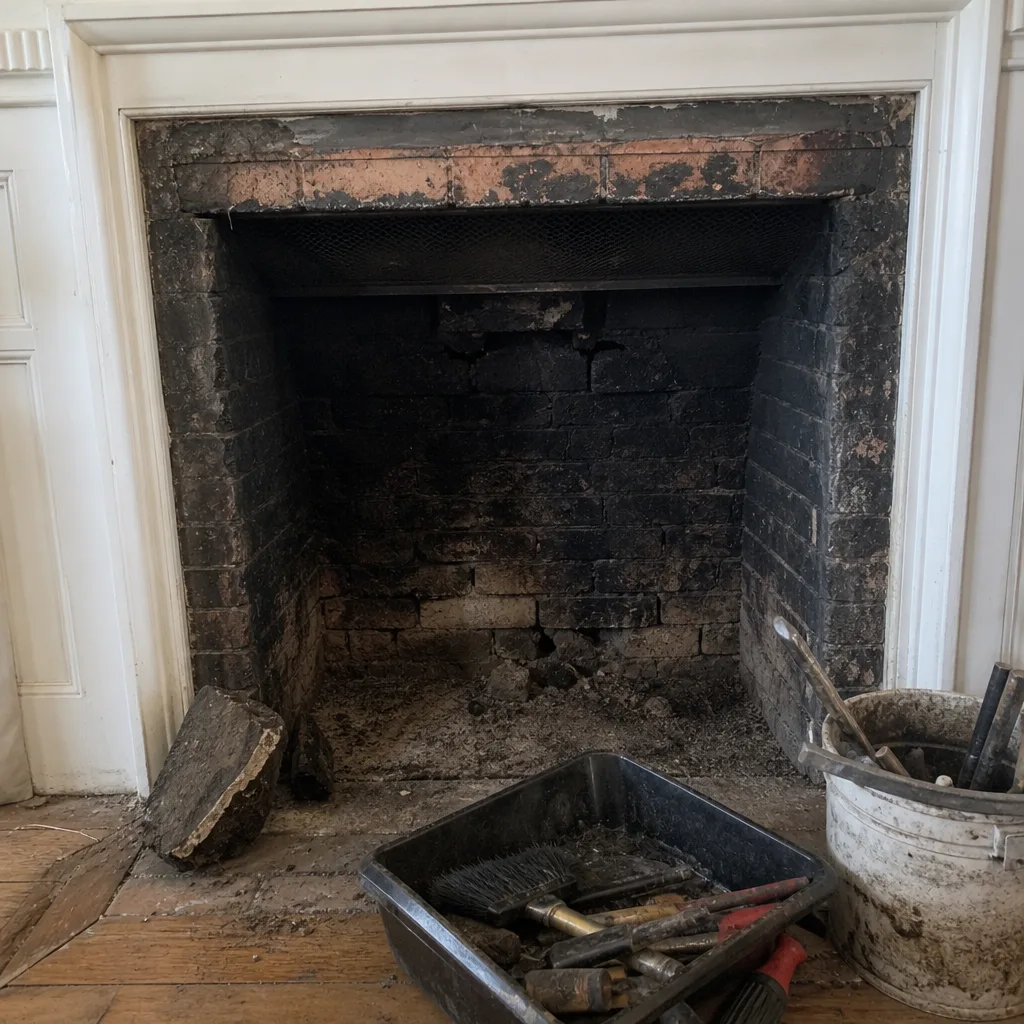 Before
 After
 Before
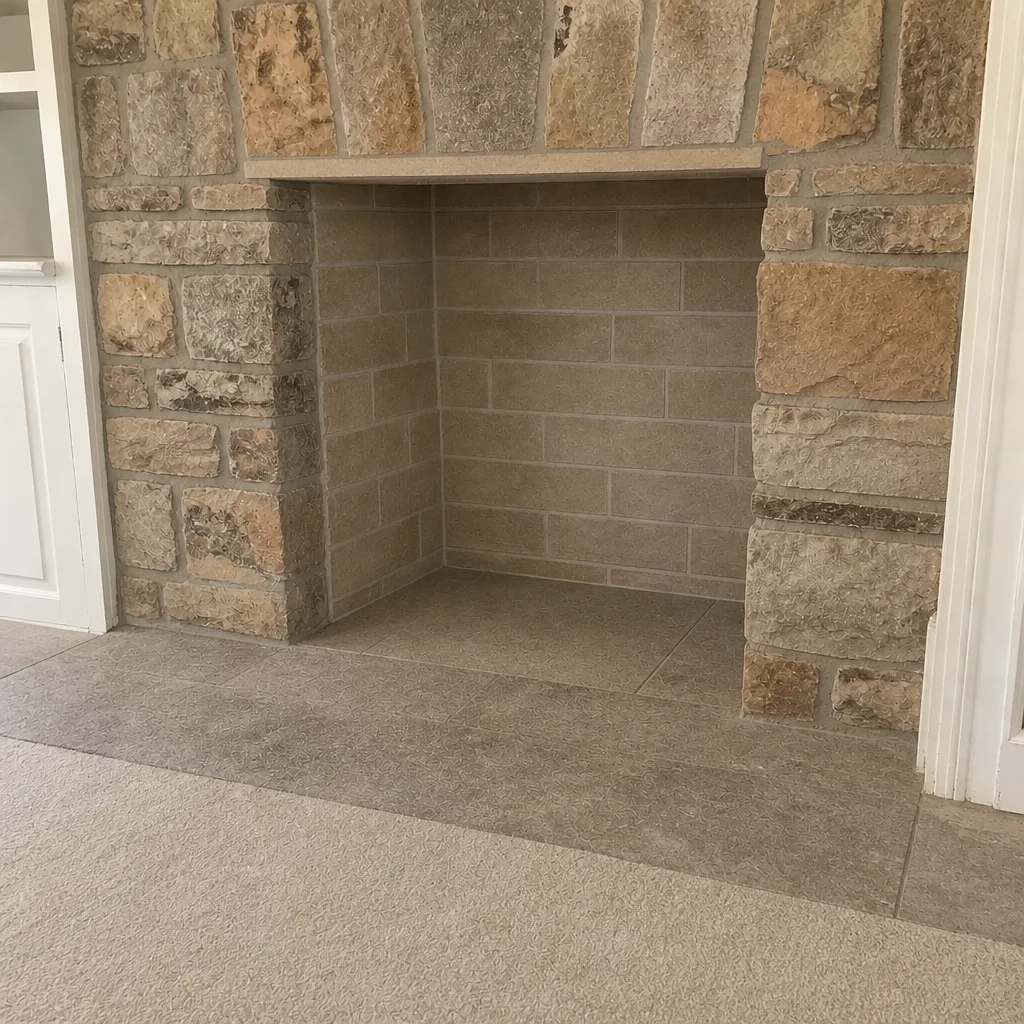 After
When to Call a Professional
Call for a professional chimney inspection if you’ve had a chimney fire, if you smell a wet or smoky odor in the firebox, if you notice staining on the firebox walls, if your chimney cap is missing or damaged, or if you lit a fire after a hot, humid summer and the draw seems weaker than it used to. That last one especially: a draft change is often the first sign that a flue tile or cap has been affected by summer weather or a storm. You should also call after any significant high-wind event, even if the chimney looks intact from the ground. A camera inspection is the only way to see whether the flue is still in good shape.
Safety is the reason to act. A damaged flue, a displaced tile or a blocked flue can vent combustion gases into the home, and carbon monoxide is not something you’ll see or smell. A chimney fire starts in a creosote layer or a damaged flue and can burn slowly for a long time before it shows. That’s why we push the late-summer inspection so hard: it’s the point on the Charleston calendar when problems from the summer are still small and catchable.
If you’ve been told you need a new liner or a masonry repair and you’re not sure whether it’s real, the honest answer is: you don’t have to take anyone’s word for it. Ask for the camera photos and ask whether the work can safely wait until spring. If the service provider can’t produce the photos, that’s your answer. Charleston Chimney Cleaning offers free estimates in Charleston – call (866) 864-1983. We answer 24/7. Fast dispatch from 7am to 7pm, Sunday through Friday.
Frequently Asked Questions
For most Charleston homeowners, get a chimney inspection every year and book an actual sweep when the creosote layer reaches about a quarter-inch or when the inspection recommends it. A casual burner will generally need a sweep every other year; a heavy wood user, or a wood stove running as a primary heat source, will usually need a sweep every year. The inspection is what decides, not the calendar alone.
Late August or early September is the best month for a chimney sweep in Charleston. The summer humidity peak has passed, storm season is still active so any wind damage gets caught, and the first fire of the season is still ahead of you. Spring (March through May) is the best window for the sweep follow-up repair work, because masonry and liner repairs need dry conditions. Call (866) 864-1983 for an exact quote – estimates are free.
Yes. A chimney can look intact from the ground and still have a displaced flue tile, a cracked crown, or damaged flashing that lets water in for months. The post-storm check you can do yourself is limited to what’s visible from the ground; a camera inspection is what sees the inside of the flue. If your Charleston home has a fireplace you use, it’s worth doing after any named storm.
No, you don’t need a sweep for gas logs, but you do need an annual visual inspection. Gas fireplaces share the chimney structure with the outdoors, and in Charleston’s humidity that means moisture intrusion, efflorescence and mortar damage are still real risks. Critters also love an open gas flue – a missing or damaged cap turns into a nest. The annual check catches all of these.
Small problems get bigger and more expensive. A missing cap lets water in for a season; a wet flue tile cracks; a cracked flue tile can turn into a liner replacement. A mortar joint that erodes for a couple of years can mean a rebuild section instead of a repoint. And after a few skipped years, you’re also burning in a chimney you haven’t confirmed is safe. Skipping the inspection is the cheapest choice on the calendar and the most expensive one over time.
You can do the ground-level checks after a storm, and we recommend them. But you can’t see the flue with a camera from inside the house, you can’t assess mortar joints at the top of the chimney, and you can’t safely access the roof. A professional inspection with photo evidence is what tells you whether a repair is actually needed, and it’s the difference between a recommendation you can evaluate and a claim you have to take on faith. Call (866) 864-1983 for an exact quote – estimates are free.
The Bottom Line
Charleston’s chimney care calendar is inverted from the national norm. Your highest-value appointment is the late-summer inspection, not the fall sweep. Post-storm checks matter as much as seasonal ones. And spring is the season for repairs, not fall – get the masonry and liner work done while the weather is dry and there’s room to cure. The through-line is professionalism: a sweep that produces a photo report, an inspection that shows you what it finds, and repair work that uses industry-trusted brands instead of hardware-store substitutes. Our technicians have up to experience, and we work in the categories where that experience matters: sweep, inspection and repair, all handled as one system. If you’ve been told your chimney needs work, or you’re not sure, the honest step is to get an inspection you can see with your own eyes.
Talk to a Charleston Chimney Specialist
Whether you’re due for a late-summer inspection, you need a post-storm check, or you’ve been told a repair is needed and want a second opinion with photos, we’re glad to help. From sweep to repair, one call covers it, and every recommendation comes with visual evidence you can see for yourself. Get in touch with Charleston Chimney Cleaning for a free estimate today. Call (866) 864-1983. We answer 24/7. Fast dispatch from 7am to 7pm, Sunday through Friday. We’ll set a time, show you the condition of the chimney, and tell you plainly what’s urgent and what can safely wait.
Written by the team at Charleston Chimney Cleaning.