
Last updated November 15, 2026
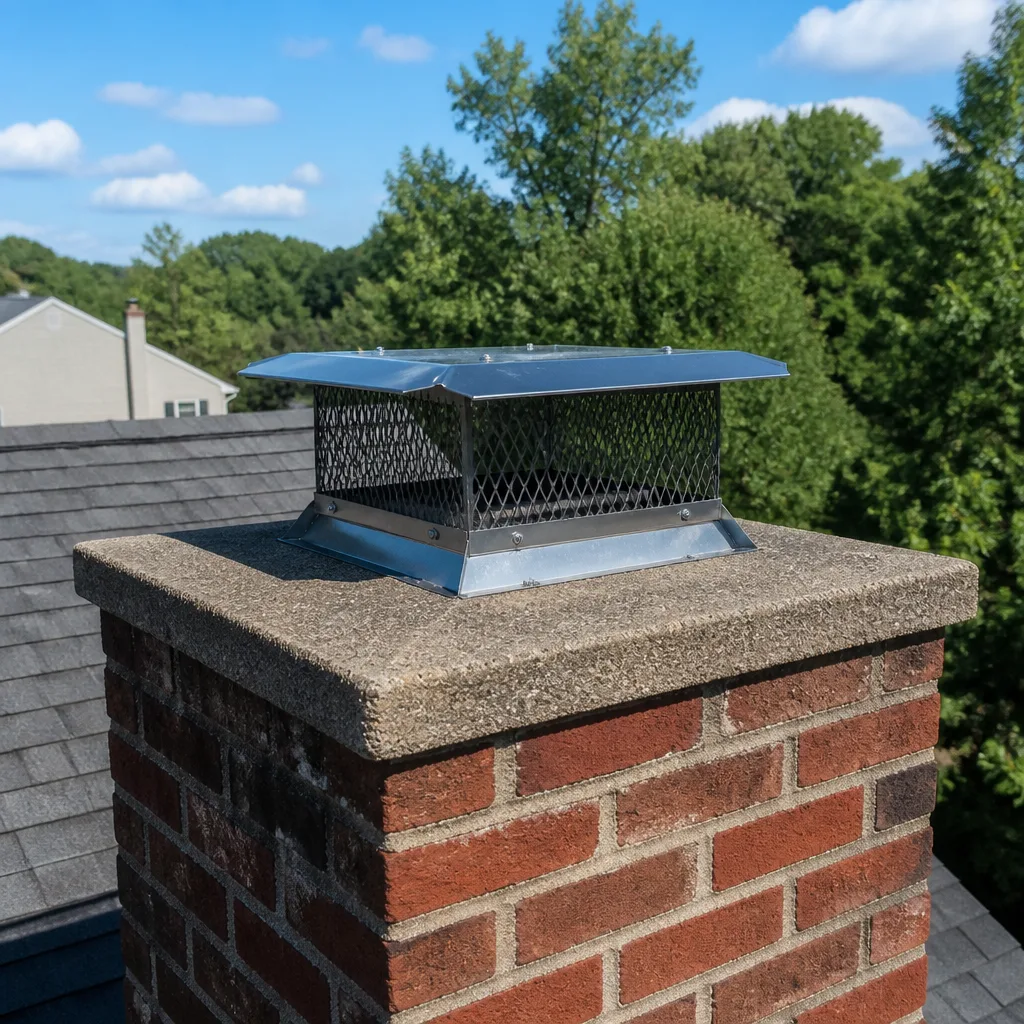 Sweep & inspection
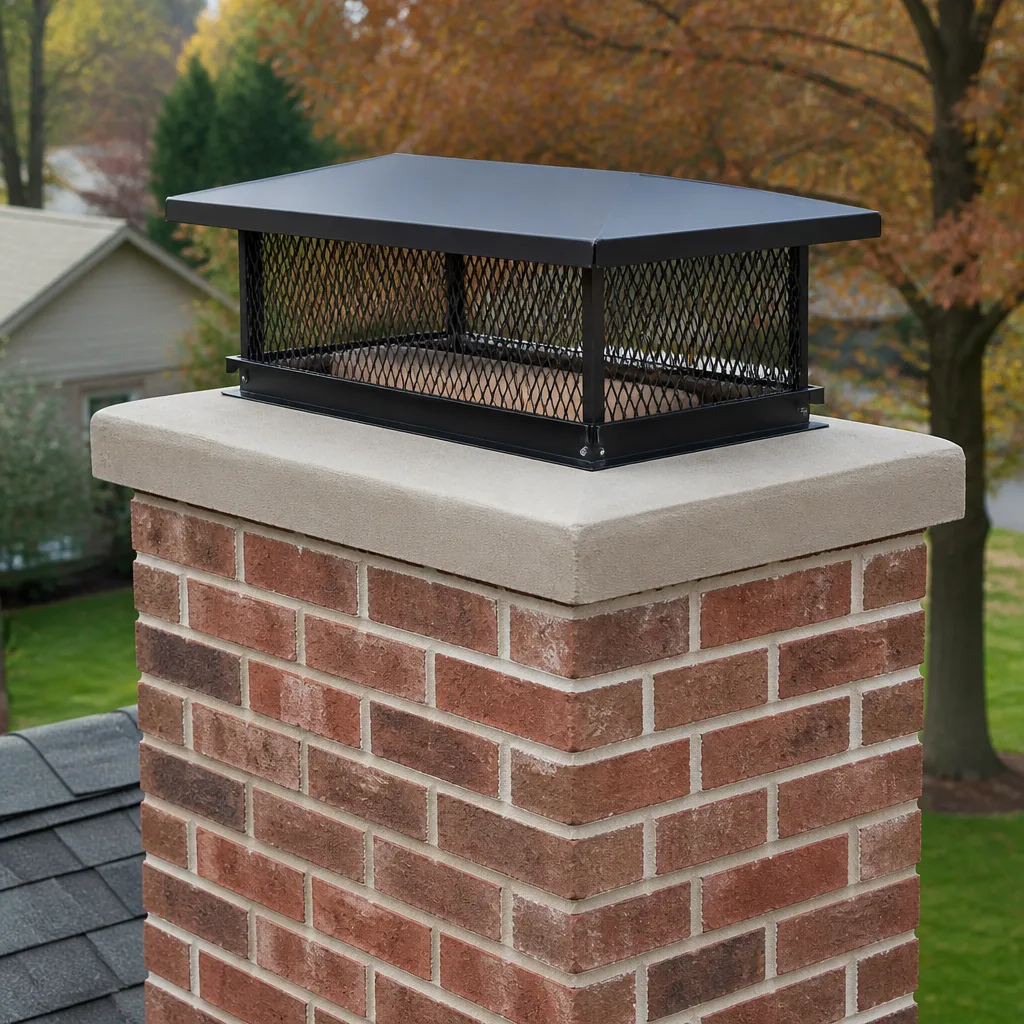 Caps & crowns
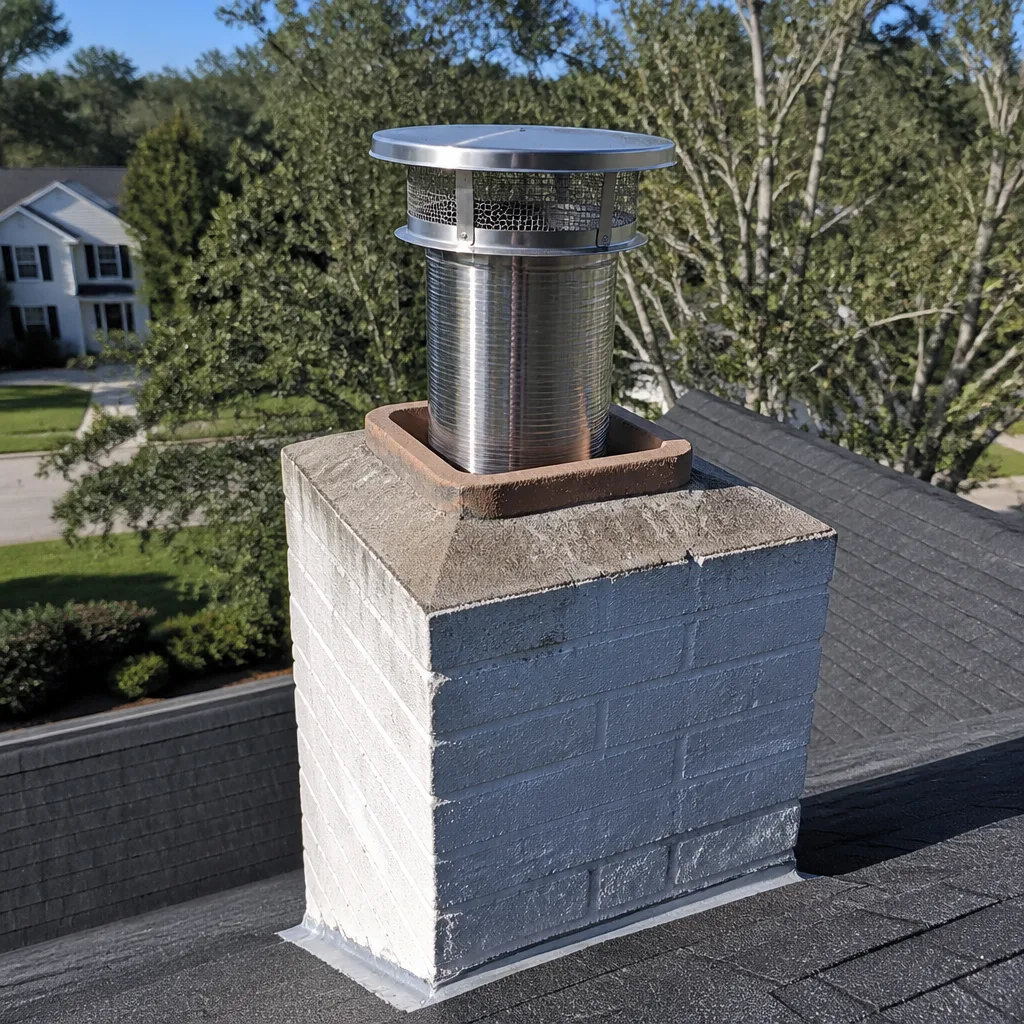 Flue relining
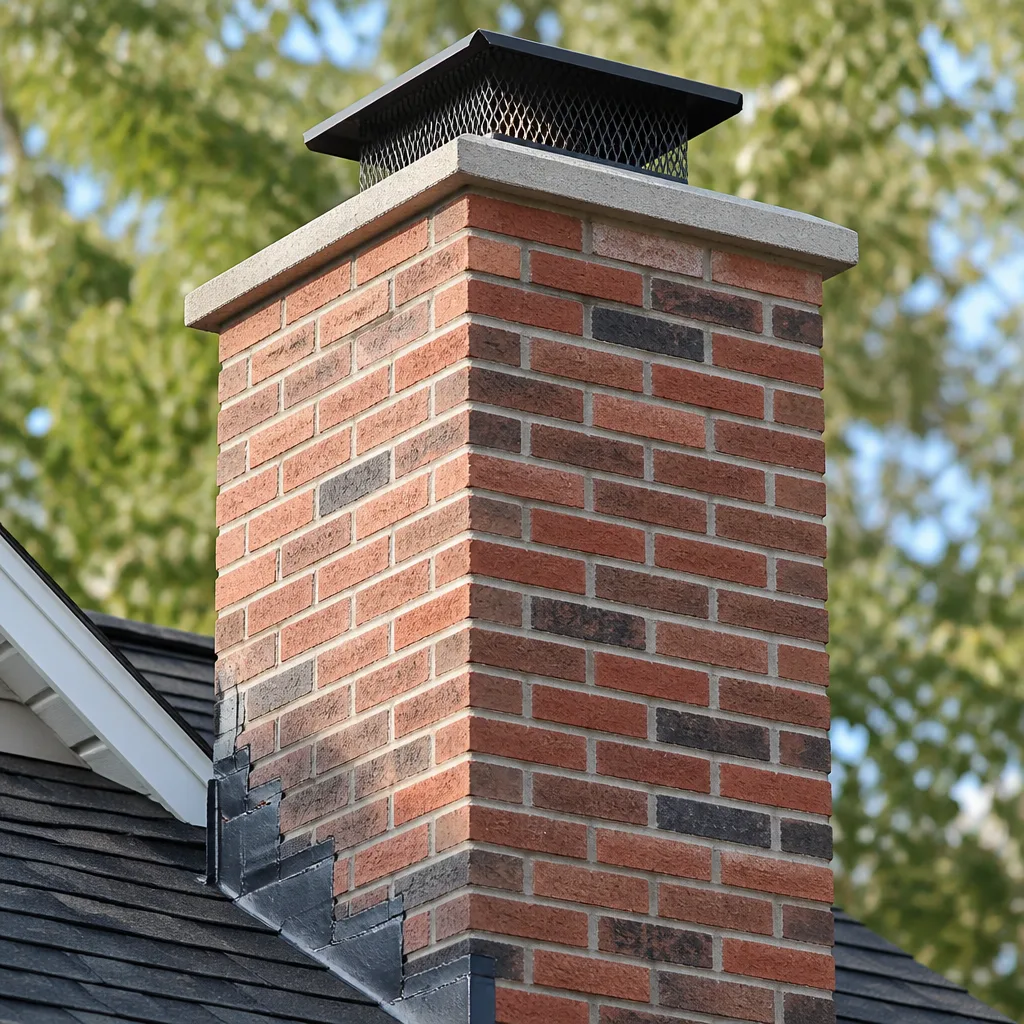 Masonry repair
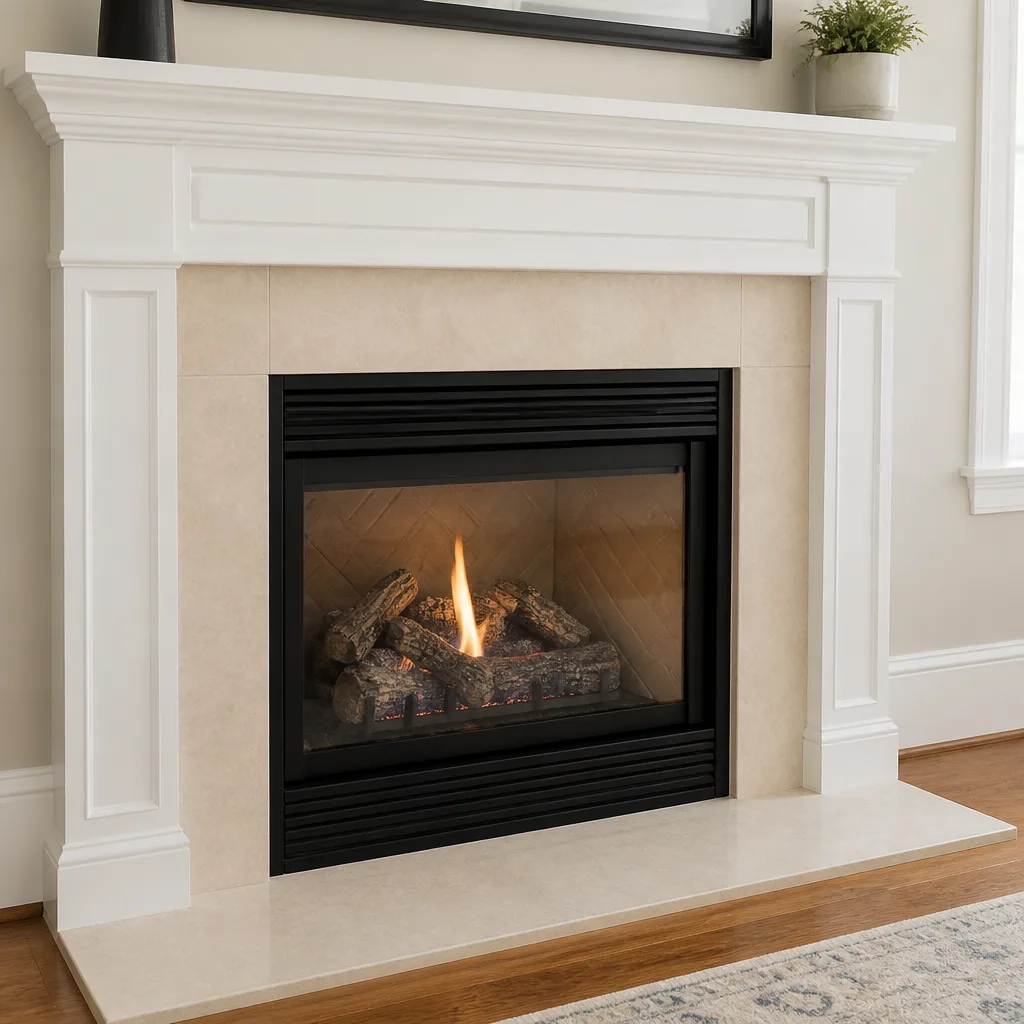 Gas fireplace service
Level 1 sweep and inspection to the NFPA 211 annual standard - flue, crown, cap, and flashing checked and photographed
Chimney sweep logs do not sweep chimneys. They loosen some creosote - which then falls where a brush and vacuum still have to collect it.
Chimney Cleaning Emergency Preparedness Guide for Charleston Homes
Most Charleston homeowners have a hurricane kit, a generator, and a plan for the roof. Almost none of them have a plan for the chimney. That’s the gap this guide fills. After a named storm passes, a chimney that looks perfectly sound from the driveway can hide a displaced cap, a cracked crown, or a flue packed with debris – and lighting a fire in it before anyone has looked turns a routine storm cleanup into something far worse. What follows is the sequence we walk Charleston homeowners through: what to check, in what order, what to photograph for insurance, and what to do in the first three minutes of a suspected chimney fire.
Quick Answer
After any major storm in Charleston, do not light a fire until the chimney has been checked top to bottom for a displaced cap, a cracked crown, and a blocked flue. If you suspect an active chimney fire, call 911 first, then close the fireplace doors, shut the damper if you can reach it safely, and get everyone outside. For everything short of that – a damaged cap, a weakened draft, animals in the flue – the answer is the same: stop using the fireplace, document the damage with photos, and get a professional inspection before the next burn.
Styles & brands we work with
- Sweep & inspection
- Caps & crowns
- Flue relining
- Masonry repair
- Gas fireplace service
Table of Contents
- Post-Storm Chimney Protocol: The Check Sequence
- What to Do When the Cap Is Visibly Damaged
- Chimney Fire Response: The First Three Minutes
- Carbon Monoxide Risk in Storm Aftermath
- What to Photograph for Insurance in South Carolina
- Creosote, Wet Storms, and the Deferred Sweep
- Frequently Asked Questions
Post-Storm Chimney Protocol: The Check Sequence
The order of checks matters. A homeowner who climbs on the roof first to inspect the cap has skipped the step that protects them – and if you’re not comfortable on a ladder, that step isn’t optional. Start at the firebox and work outward, because what you can see from inside tells you whether it’s even worth calling someone out.
Here is the sequence we recommend to Charleston homeowners after any named storm or significant wind event:
- Smell the firebox first. A faint, sickly, sweet odor with the damper open – especially if the house has been closed up during the storm – suggests either a downdraft or exhaust coming back into the home. That’s a stop signal, not a start signal.
- Open the damper and look up with a flashlight. You’re looking for daylight. A straight, unobstructed view to a bright spot at the top means the flue is at least passable. Anything blocking that column – leaves, a bird’s nest, a loose brick, a piece of flashing – means no fire until it’s cleared.
- Walk the outside of the chimney from the ground. Look at the crown (the concrete slab at the top). Hairline cracks are normal with age; a section that’s shifted, spalled, or separated is not. Look at the cap. Is it level? Is any part of it lifted, tilted, or gone?
- Check the flashing where the chimney meets the roof. This is the most common leak point after wind-driven rain. From the ground, you’ll see staining or staining lines on the siding or soffit more reliably than you’ll see the flashing itself.
- Look for exterior brick displacement. A chimney that leans, or a visible step in the mortar joints, needs a professional evaluation before anyone uses the fireplace.
- Only then consider the roof. If you have safe roof access and are comfortable, a ground-level check is sufficient. Anything beyond that calls for a technician.
This sequence is not a substitute for a professional inspection. It’s a triage – a way to sort “probably fine, sweep before the season” from “do not light a fire until someone with a camera has looked inside.” After a named storm, we see more of the second category than homeowners expect.
What to Do When the Cap Is Visibly Damaged
If the cap is bent, missing, or lifted, the immediate concern is water, not fire. Rain down an open flue soaks into creosote deposits and into the firebox mortar, and birds and squirrels treat an open chimney like a pre-approved nesting site. Your job in the days between the storm and the technician’s arrival is to close the chimney off – safely.
What works:
- A sheet of heavy-duty plastic or a tarp, tied off. A piece of 6-mil plastic large enough to overlap the top of the chimney by several inches, weighted down with bricks or cinder blocks (never loose stones), keeps most of the rain out. In Charleston’s late-summer heat, do not use a tight, sealed cover over an active flue – it traps heat and moisture.
- A temporary cap made from a sturdy bucket or plastic tub. Invert it over the flue opening, cut drainage holes in the top, and secure it with wire through the handle or rim. This is a short-term fix, not a permanent one.
- Blocking the firebox opening from inside. A piece of rigid foam insulation cut to fit snugly, or a sheet of plywood, taped in place at the fireplace opening, keeps animals and drafts out while the top is open.
What makes it worse:
- Sealing the flue completely. A sealed flue traps moisture, which accelerates the very damage you’re trying to prevent. Ventilation is the point.
- Duct-taping a plastic sheet to a hot chimney. Never cover a chimney that has had a fire in it within 24 hours.
- Climbing onto the roof in wet or windy conditions. The chimney repair is not worth a fall. This is the most common mistake we hear about after storms.
Once the temporary cover is up, don’t light the fireplace. If you need heat in a storm-week cold snap, use a space heater with proper clearance and ventilation, and check that your smoke and carbon monoxide alarms are working. The chimney repair work can wait a day or two; a fire in an open flue cannot.
Chimney Fire Response: The First Three Minutes
Chimney fires are quieter than people expect. There is often no dramatic roar – just a low rumble, a whooshing sound, or a pop, pop, pop from the firebox. If you suspect one, the sequence is short and every second counts.
- Call 911 immediately. Do not wait to confirm. A chimney fire can spread into the framing inside a wall cavity while the firebox still looks contained. The fire department would rather respond to a false alarm than a house fire.
- Get everyone out of the house. Including pets. If you can’t get a pet out quickly, leave it and tell the fire department where it is.
- If and only if you can do so safely in the first thirty seconds: close the glass fireplace doors, and if the damper control is immediately reachable and not hot, close the damper. This starves the fire of oxygen. Do not reach into the firebox and do not attempt to close the damper if the handle is hot or the fire is already roaring.
- Discharge a dry-chemical extinguisher into the firebox if it’s within reach on your way out. Aim at the base of the fire. Never use water – it can crack a hot firebox and turn a contained fire into a steam and smoke event.
- Do not go back inside. Wait for the fire department. Once they’ve cleared the scene, the chimney is not automatically safe to use – the heat from a chimney fire can crack the flue tiles or warp a metal liner. Get an inspection before the next fire, and tell your insurer.
What you should not do: throw a bucket of water down the flue, close the damper and walk away without calling 911, or try to sweep the chimney during an active fire. All three have caused injuries. This is a trained-professional situation the moment the fire is confirmed.
Carbon Monoxide Risk in Storm Aftermath
Carbon monoxide is the quiet part of chimney emergencies, and storm aftermath is when the risk peaks. Two things happen at once: the flue becomes partially blocked, and the house gets sealed up tight against the weather. That’s the combination that causes CO to back up into living space.
Three specific scenarios we see after Charleston storms:
- Debris-blocked flue. Leaves, twigs, and pine straw blown into an open flue narrow the passage. The fire still burns, but the exhaust has nowhere to go but back into the room. You’ll often smell it before an alarm sounds.
- Bird and animal intrusion. A damaged cap is an open door. Squirrels and birds nest in flues, and a nest is both a blockage and a tinder bundle. We’ve seen more than one chimney opened up after a storm to find a full nest packed in above the damper.
- Displaced cap or crown covering the flue. If a cap has shifted and now sits partly over the opening, exhaust flow is reduced or reversed. The fireplace burns weakly, smoke rolls into the room, and that rolling smoke carries CO.
Every home with a wood-burning fireplace should have a working carbon monoxide alarm on each level and outside sleeping areas. Test them after any storm. If an alarm sounds, treat it as real: get out, call 911, and do not use the fireplace again until the chimney has been inspected. A professional inspection with a camera confirms whether the flue is clear – the only safe way to know.
What to Photograph for Insurance in South Carolina
File your insurance documentation before you touch anything. Adjusters want the storm as it left your property, and a well-meant cleanup that hides the evidence is a claim that gets denied. Here’s the photo set that matters for a chimney damage claim in Charleston.
- Wide shots from the ground, front and back of the house. Show the chimney in the context of the roof and the storm debris around it.
- A clear photo of the crown and cap, from the ground or a safe vantage. Zoom in with your phone rather than climbing.
- Interior firebox and flue photos. Open the damper and photograph straight up the flue with a flashlight. You’re documenting what you can see, not what you can’t.
- Every water stain. Photograph the ceiling line above the fireplace, the wall beside it, and any visible moisture on the firebox or hearth. Measure the spread with a pencil mark on the ceiling if it’s growing.
- Debris that came down the flue. Photograph what’s on top of the damper and what’s on the smoke shelf, if visible, before you clean it out.
- Date-stamped photos. Turn on timestamping in your phone’s camera app. Adjusters want to correlate to the storm date.
Chimney damage typically falls under a homeowner’s policy as a wind or storm claim, though the exact coverage depends on your policy and whether the damage is from the storm event itself or from deferred maintenance. Damage from a long-neglected crown that finally cracked is often treated differently than damage from wind-blown debris. This is a conversation to have with your insurer, not us – we don’t handle claims. What we do is provide a written inspection report you can hand to your adjuster, describing exactly what we found and what it will take to fix it. That documentation is often the difference between a smooth claim and a long one.
Creosote, Wet Storms, and the Deferred Sweep
Here’s a piece of storm aftermath most homeowners miss: even a chimney that survived the storm intact can become an emergency by the first cold snap. That’s because a chimney that’s been rained into, or one that’s had a bird nest in it, often has creosote that’s been soaked and dried – and creosote that’s been wet and redried becomes more brittle and more flammable. It also becomes harder to sweep in a single pass.
This is why we tell Charleston homeowners to schedule a chimney sweep after any storm that put debris into the flue or opened up the cap, even if nothing looks wrong. The sweep is the reset. It clears the deposits, confirms the flue is open, and tells you what needs repair before you spend a season burning.
We work with industry-recognized product lines on the repair side – DuraFlex flexible liners, HeatShield liner-resurfacing, Gelco caps, Olympia Chimney components – because a storm-damaged chimney often needs more than a cleaning. A cap that’s been bent by wind needs replacement, not straightening. A crown with a separated section needs mortar work. A flue that’s cracked needs a liner. The sweep finds the problem; the repair solves it, on the same visit if it’s safe to do so.
The seasonal pattern in Charleston is worth understanding: the burn season starts with the first cool evenings, and the phone calls that follow the first cold snap are always more urgent than the phone calls that come in a month earlier. Getting the inspection and sweep done before you light the first fire of the season is the single highest-value chimney decision a Charleston homeowner makes all year.
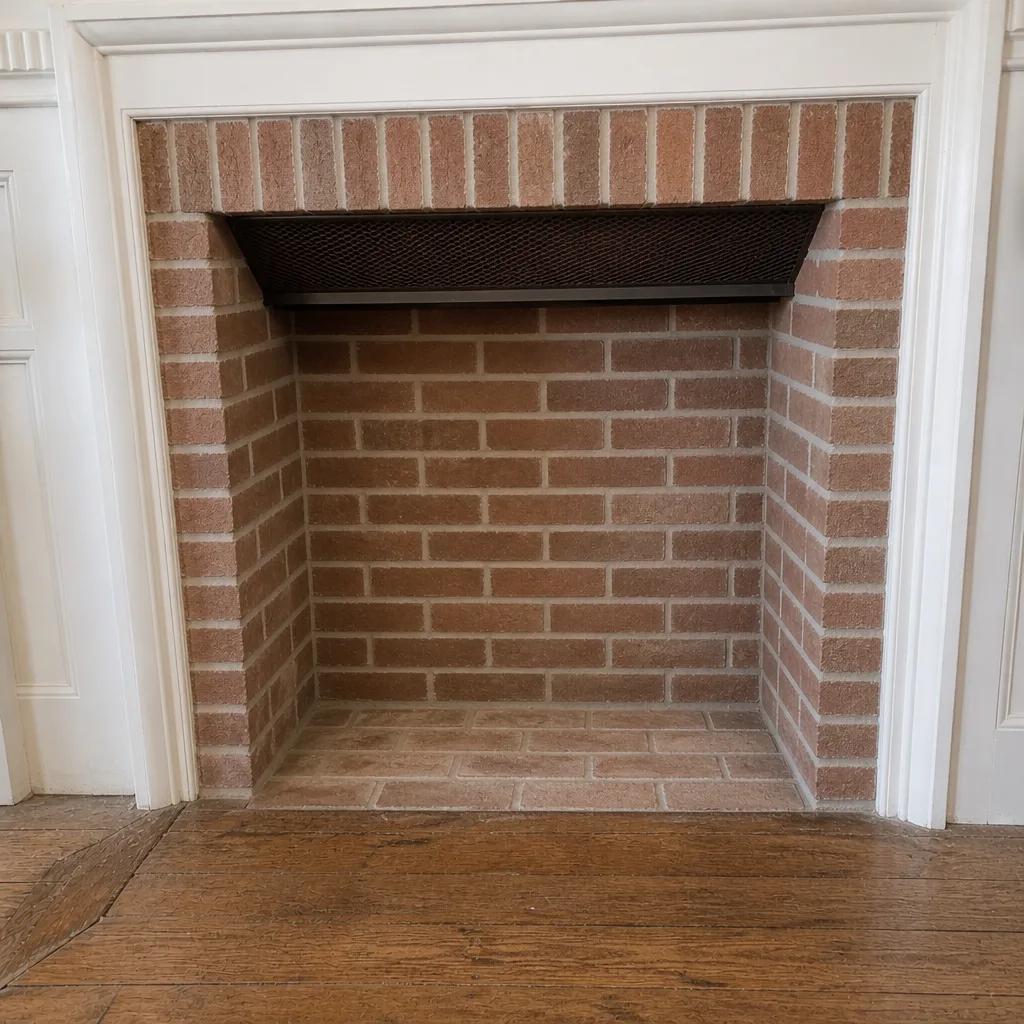
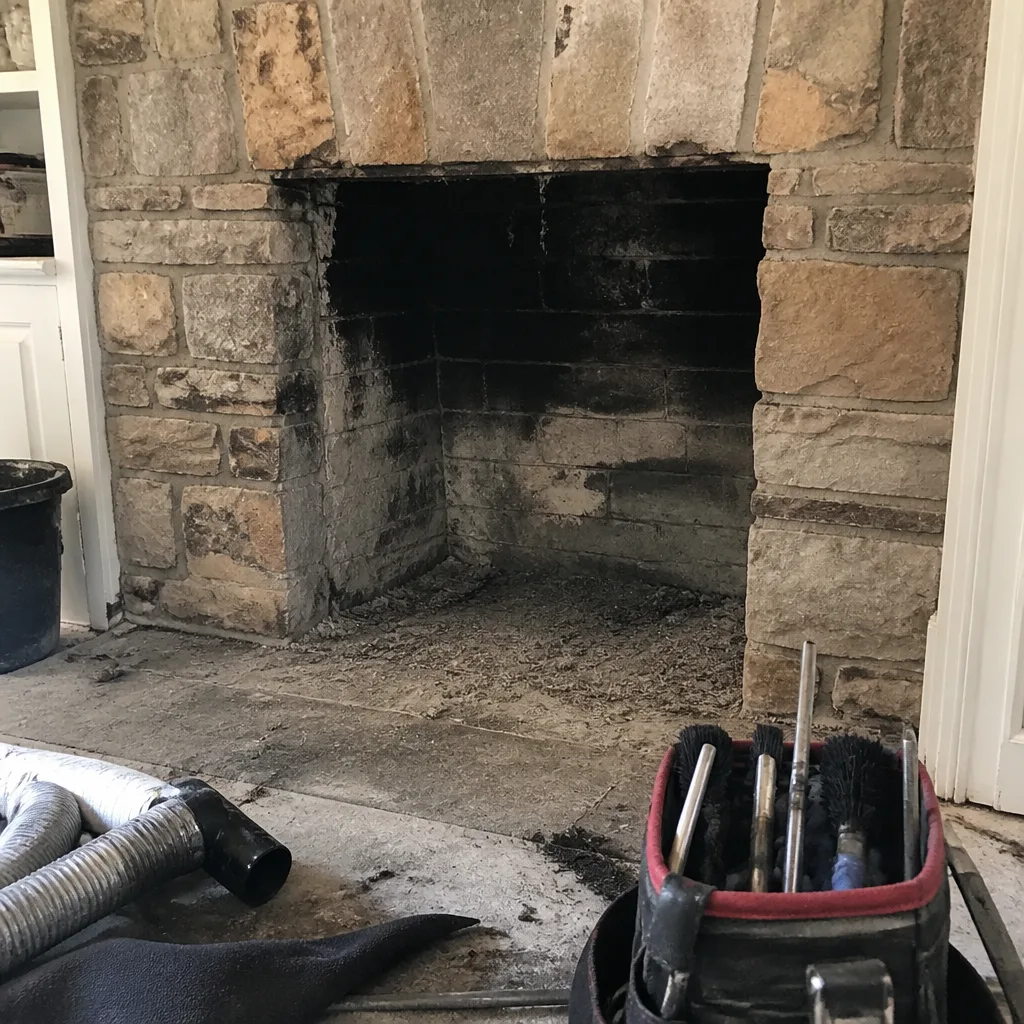
See the difference
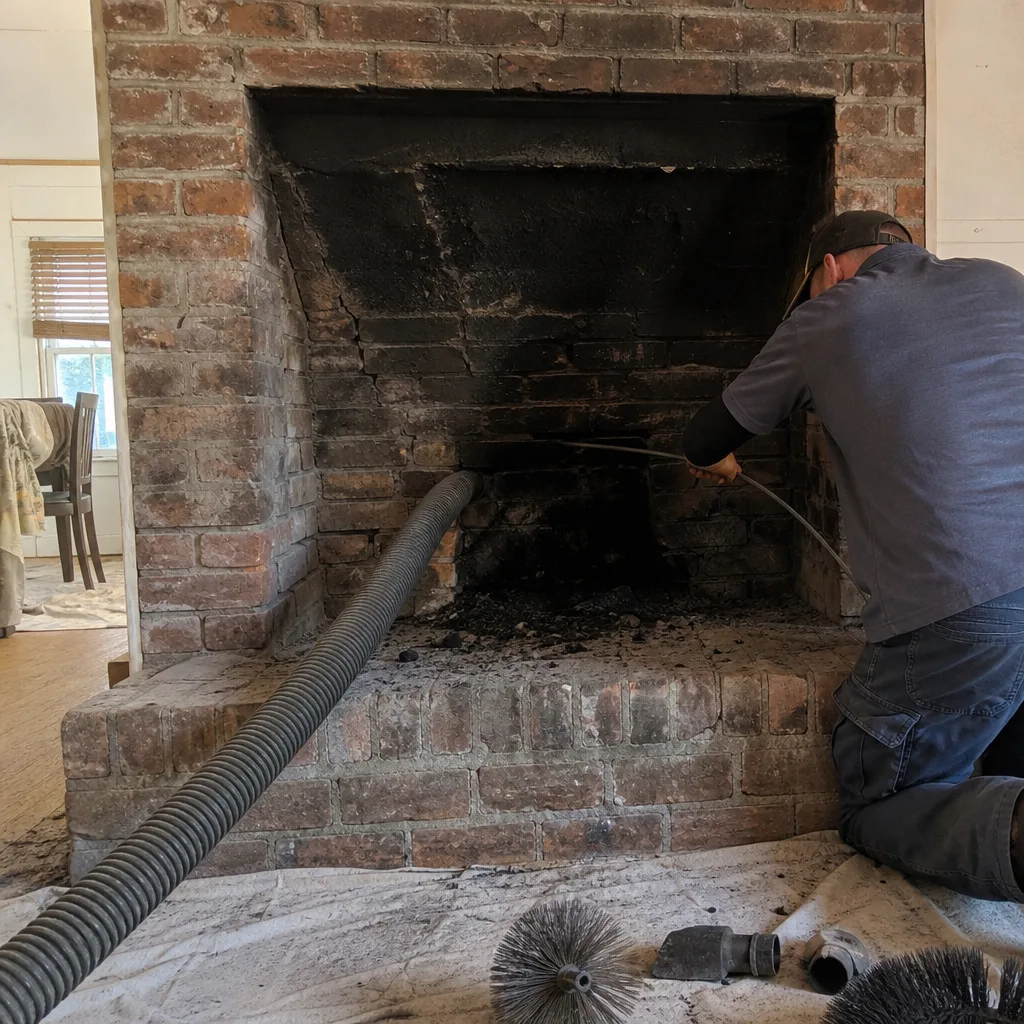 Before
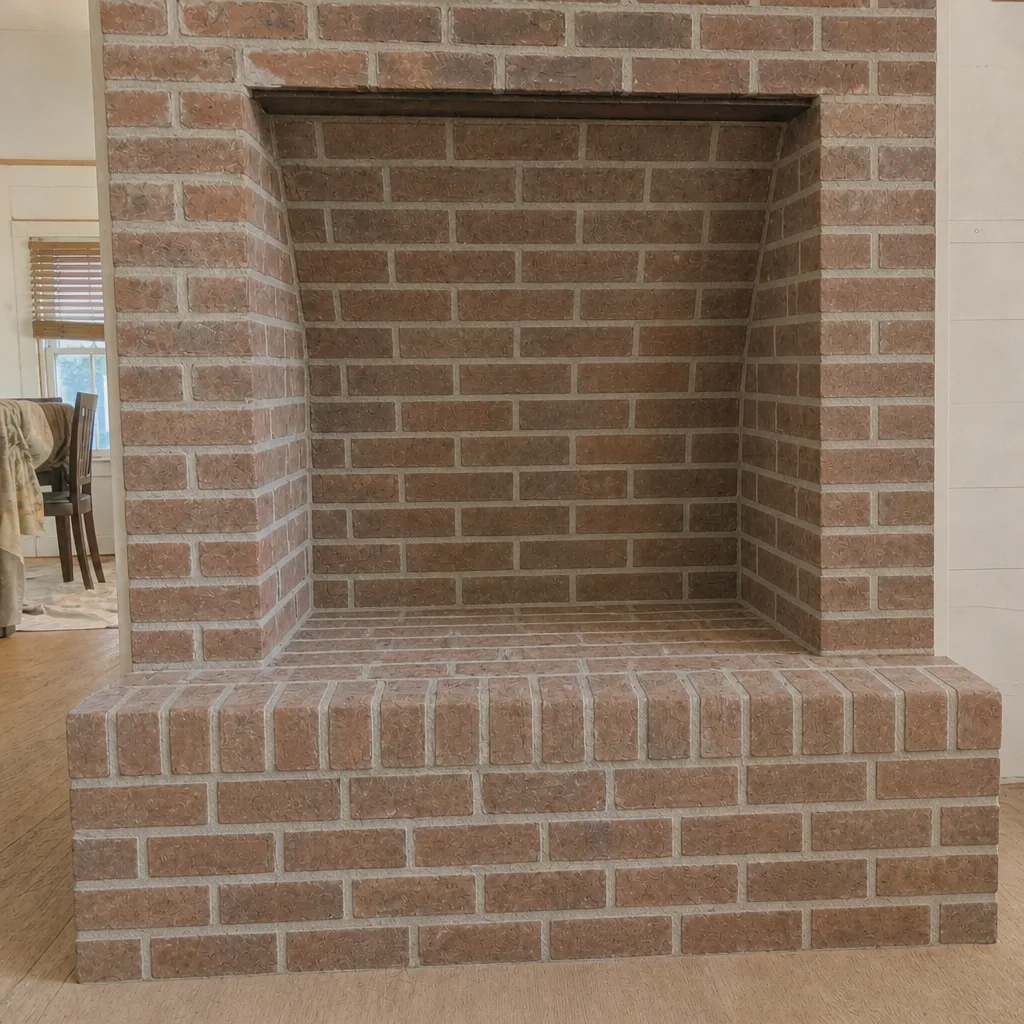 After
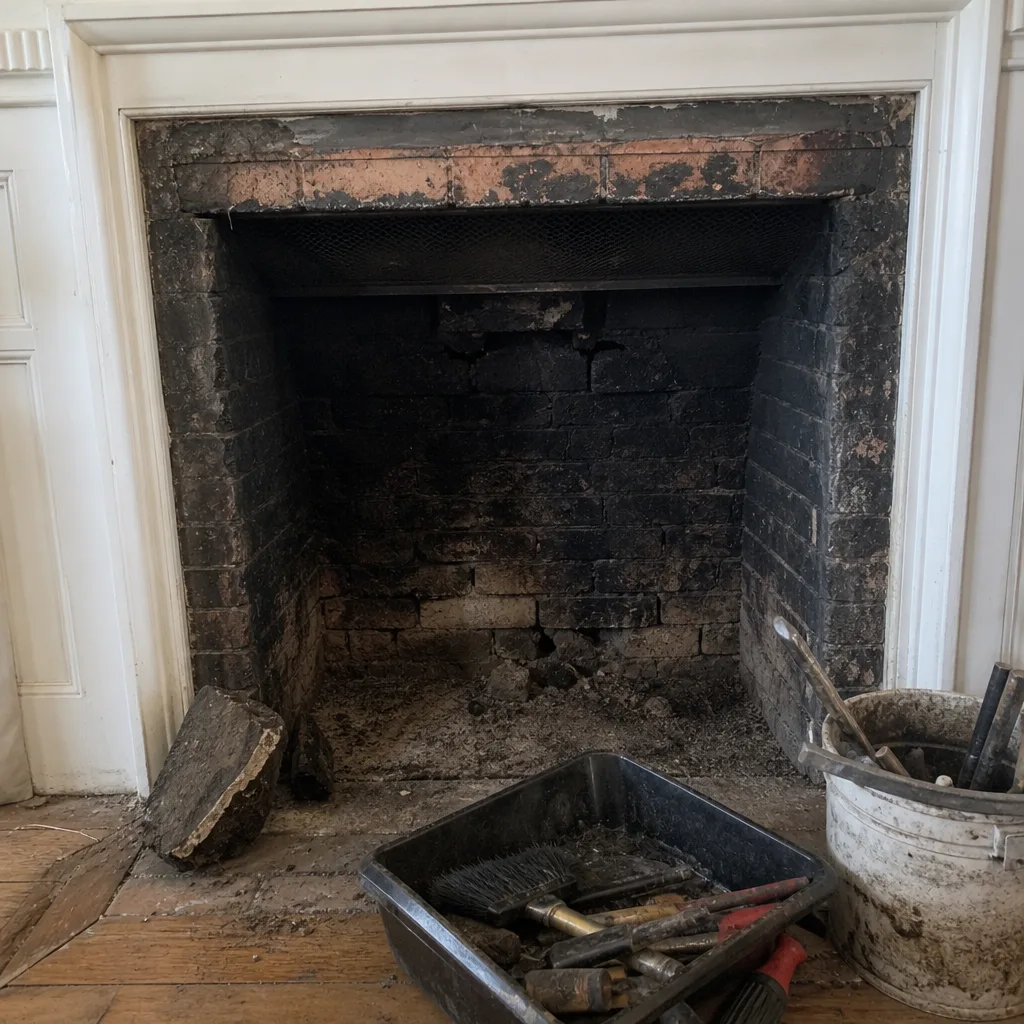 Before
 After
 Before
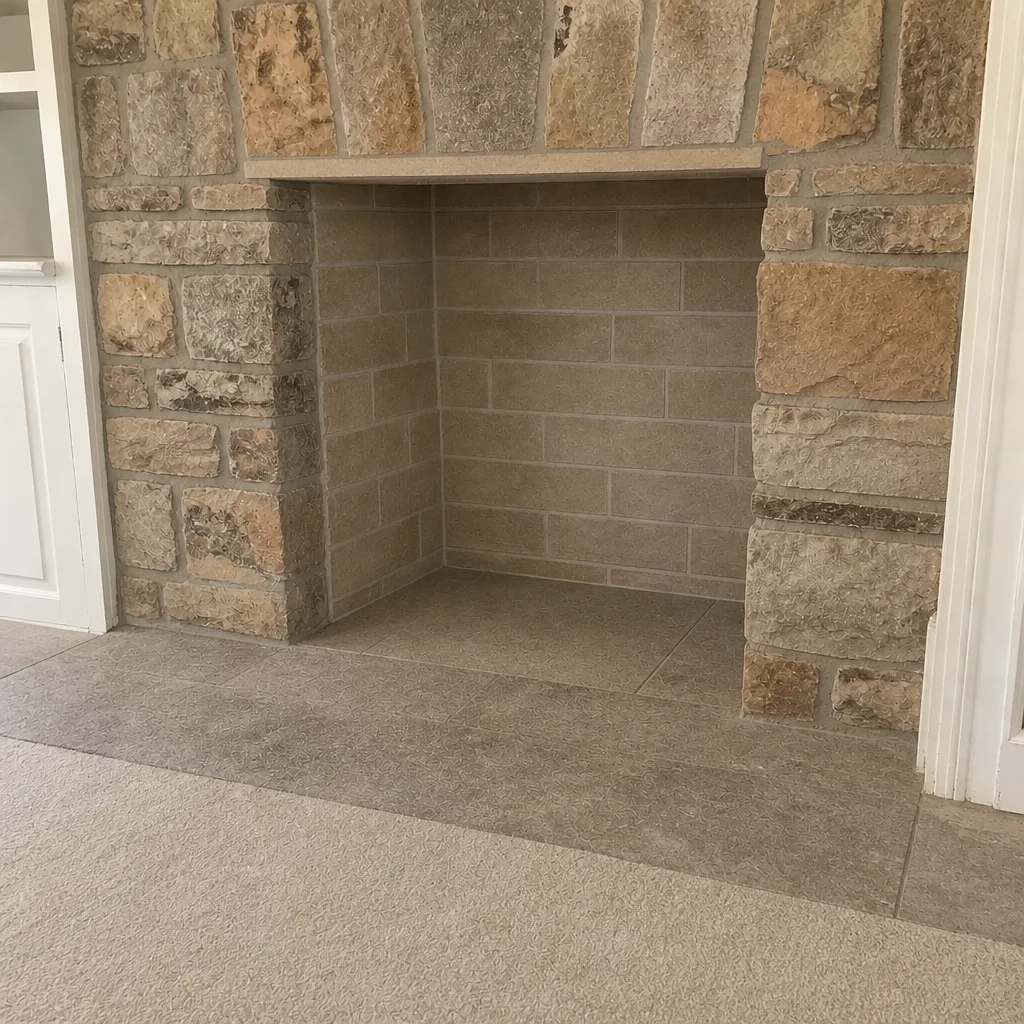 After
Common Mistakes to Avoid
- Lighting a fire to “test” the chimney after a storm. A test fire in a blocked or cap-damaged flue is the exact scenario that produces a house fire or a CO emergency. Look first, with a flashlight from the firebox. No test fires.
- Assuming the chimney is fine because the outside looks fine. Displaced caps, shifted crown sections, and flue blockages are frequently invisible from the ground. The interior check is the one that matters.
- Sealing the cap damage with a tight plastic cover and leaving it for weeks. Trapped moisture will worsen a cracked crown. Use a vented temporary cover and get the repair scheduled promptly.
- Handling the chimney fire yourself and skipping 911. A chimney fire can travel into the wall framing within minutes. Call first; a false alarm costs nothing compared to the alternative.
- Cleaning up storm debris and chimney damage before photographing it. Adjusters want the scene as the storm left it. Photos first, cleanup second.
- Delaying the inspection because the damage is “minor.” A crown that cracks all the way through can let water into the chimney structure and, over a season, into the framing. What looks minor from the ground often isn’t.
- Using a hardware-store cap on a damaged flue. A cap that doesn’t fit the flue properly can create a downdraft or trap carbon monoxide. Professional-grade caps sized to your chimney work; a universal fit often doesn’t.
When to Call a Professional
Call us if any of the following is true: the cap is visibly bent, missing, or out of level; the crown has a separated or spalled section; the flue is blocked or you can’t see daylight from the firebox; the fireplace smokes back into the room when lit; you’ve had a chimney fire (even a small one); or the outside brick or mortar has moved. Also call if you’re not sure – that’s a legitimate reason. The cost of an inspection is small compared to the cost of a chimney fire or water damage from an undetected crown crack.
Charleston Chimney Cleaning offers free estimates in Charleston and covers chimney sweeping, inspection, and repair as one service. Our technicians have up to experience, and we work with six recognized trade brands so the parts a storm-damaged chimney needs are properly specified and installed, not sourced from a hardware store. Call (866) 864-1983. We answer 24/7. Fast dispatch from 7am to 7pm, Sunday through Friday.
Frequently Asked Questions
Not until the chimney has been inspected – and that’s a firm rule, not a cautious one. Even if the chimney looks intact from the ground, do an interior check (damper open, flashlight up the flue, look for daylight) and get a professional inspection if there’s any sign of a displaced cap, water intrusion, or debris. A storm can open a cap, crack a crown, or push a nest into the flue without any visible sign from the driveway. If the interior check shows a clear flue and the exterior looks sound, you can usually resume use after a sweep. Call (866) 864-1983 to book an inspection.
Often, yes – wind-driven storm damage to a chimney is typically covered as part of the dwelling coverage on a standard South Carolina homeowner’s policy, but the specific answer depends on your policy and on whether the damage is attributed to the storm or to deferred maintenance. Damage from a long-neglected crown or cap that failed on its own is treated differently than damage from a named storm. Document everything with dated photos before cleanup, and hand your adjuster a written inspection report. Call (866) 864-1983 for a written inspection you can use for a claim.
Stop using the fireplace immediately and open a window to establish a draft. Smoke rolling back into the room means the flue isn’t exhausting properly – the cause is usually a blocked flue, a damaged cap creating a downdraft, or a barometric issue in the house. All three need a professional to diagnose. Do not light another fire to “see if it clears.” Call (866) 864-1983 and describe what you saw; we’ll book an inspection and tell you what to check in the meantime.
Once a year for a fireplace that sees regular use, and after any storm that puts debris into the flue or opens the cap. Charleston’s burn season is short enough that many homeowners assume the chimney can go two seasons between sweeps; in practice, even a season of moderate use builds creosote, and the storm-driven debris and moisture that get into the chimney are the real wildcard. A sweep before the season resets the chimney and catches small problems early. Call (866) 864-1983 to schedule.
Yes, with a vented temporary cover – a heavy plastic sheet weighted down, or an inverted bucket with drainage holes. What makes it worse is a tight, sealed cover that traps moisture (which worsens a cracked crown) or taping plastic over a warm chimney. Never climb on the roof in wet or windy conditions. And don’t light the fireplace while the cover is up. Call (866) 864-1983 to get the permanent repair scheduled.
Every chimney fire needs an inspection, regardless of how small it seemed. The heat from even a short chimney fire can crack flue tiles, warp a metal liner, or loosen mortar joints – none of which are visible from inside the firebox. The fire department may have cleared your home, but clearance is not the same as an inspection. Call (866) 864-1983 to book one, and let your insurer know a chimney fire occurred. If a technician has not used a camera to look at the flue, nobody has actually confirmed it’s safe.
The Bottom Line
Storm preparedness for a Charleston chimney comes down to five decisions. Do the interior check before any fire. Cover the cap damage with something that vents. Call 911 first if you suspect a chimney fire. Photograph everything before cleanup. And get a camera inspection before the next burn, every time. Creosote, moisture, and displaced caps are the three things that turn a storm into a chimney emergency, and a single inspection catches all three. If you’re not sure whether your chimney came through the last storm intact, that’s the reason to call. Estimates are free.
Call (866) 864-1983. We answer 24/7. Fast dispatch from 7am to 7pm, Sunday through Friday.
Written by the team at Charleston Chimney Cleaning.