
Last updated November 15, 2026
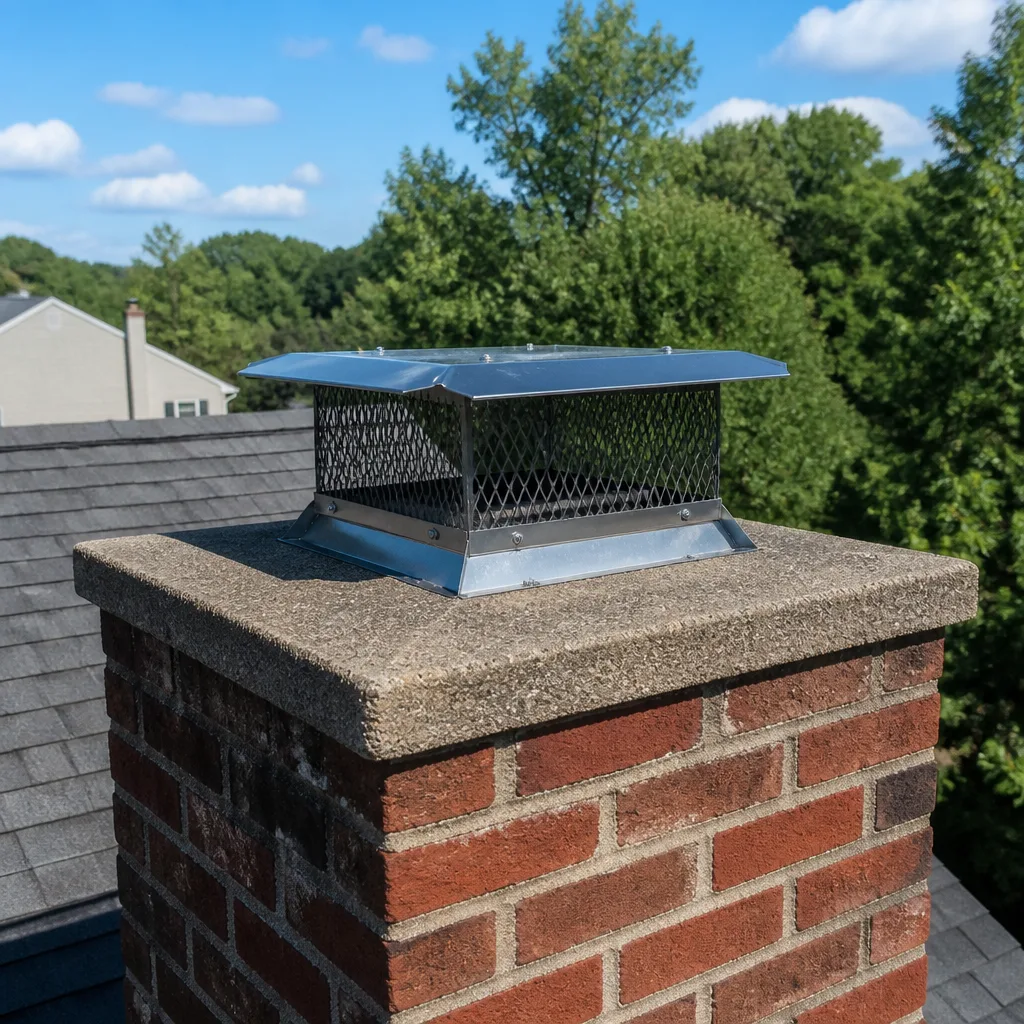 Sweep & inspection
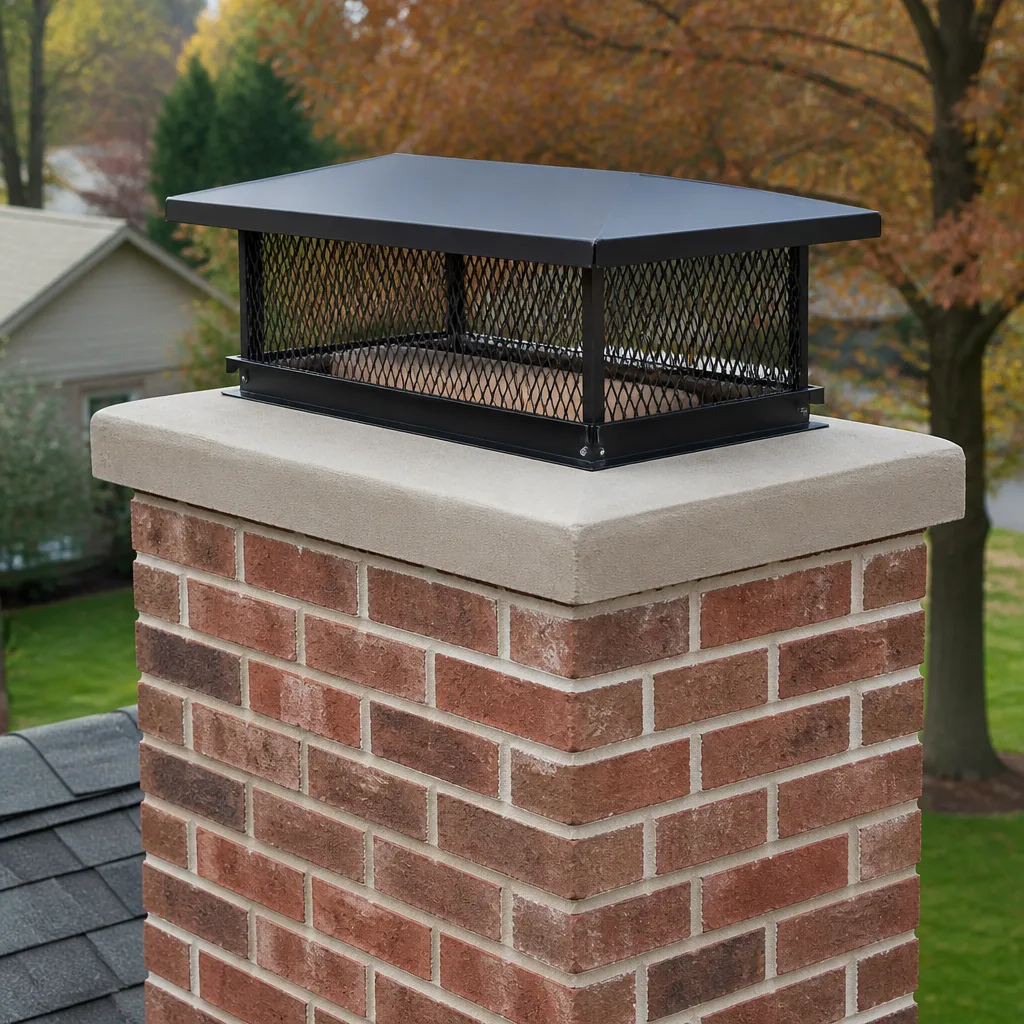 Caps & crowns
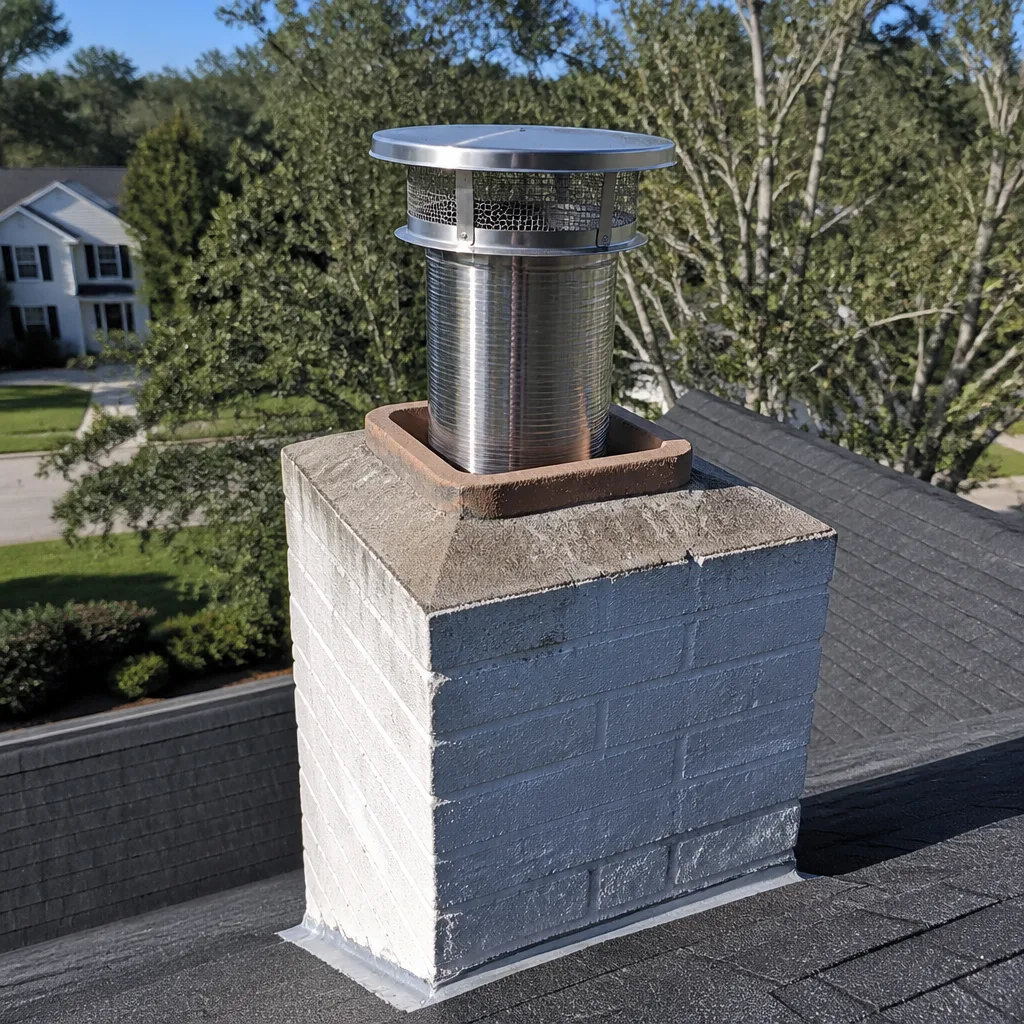 Flue relining
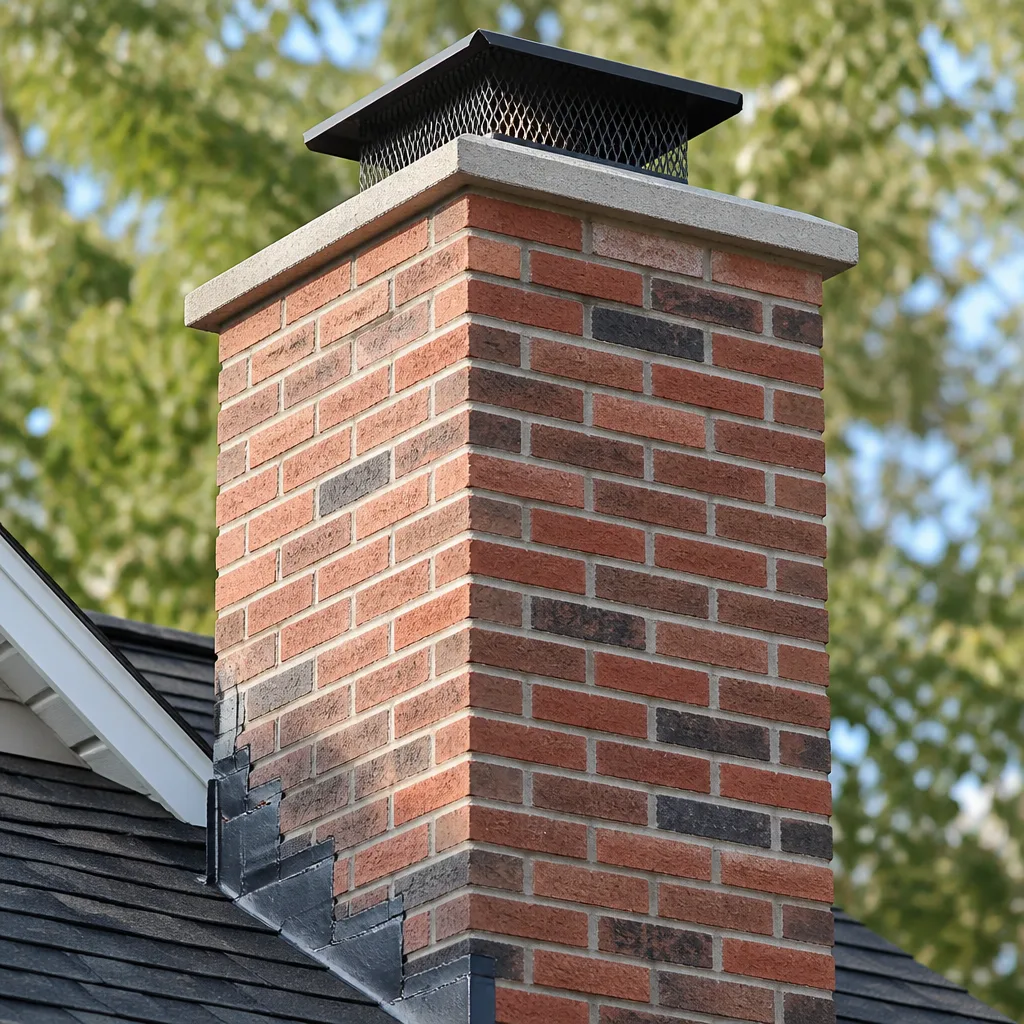 Masonry repair
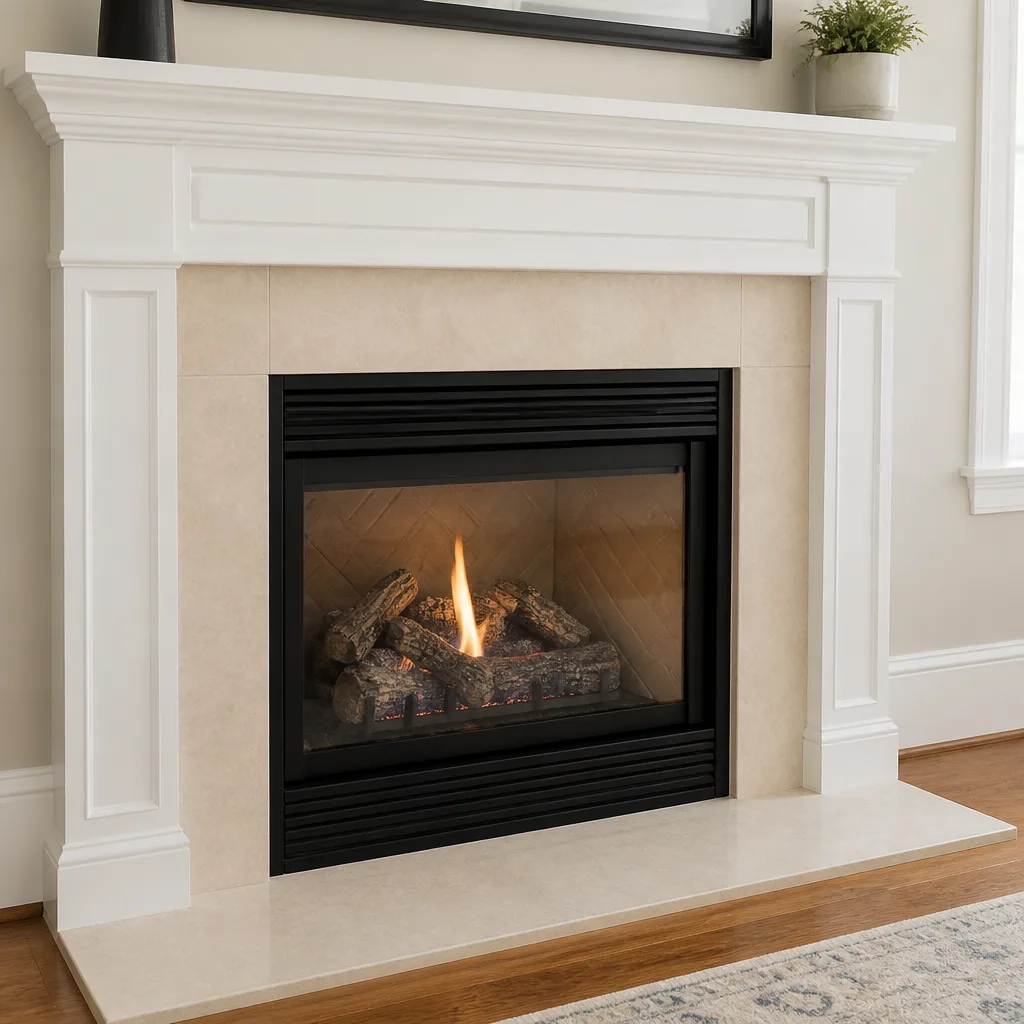 Gas fireplace service
Level 1 sweep and inspection to the NFPA 211 annual standard - flue, crown, cap, and flashing checked and photographed
Chimney sweep logs do not sweep chimneys. They loosen some creosote - which then falls where a brush and vacuum still have to collect it.
Choosing the Right Chimney Cleaning Brand: A Buyer’s Guide for Charleston
Most homeowners judge a chimney contractor by the truck, the price, or how quickly they answer the phone. The product brands they install tell you far more. Here’s the point worth sitting with: if your chimney professional can’t name the liner system they’re putting in your flue or the sealant they’re brushing onto your crown, that’s not a small gap in their memory. Brands differ in certifications, warranty terms and how they hold up over years of heat cycling, and those differences land directly on your home’s safety. In this guide we decode the product categories that matter, the brands worth asking about, and the questions that separate real product knowledge from a shrug and “whatever the supply house had.” We’ll tie it all to Charleston conditions, because the Lowcountry’s humidity and storm season shape what fails and when.
Quick Answer
Choosing the right chimney cleaning brand in Charleston means matching the product to the job: a flexible liner from a recognized manufacturer (DuraFlex and Olympia Chimney are two worth knowing), a liner-resurfacing system like HeatShield for certain clay flues, a fitted cap from a maker like Gelco or Copperfield, and a crown sealant suited to humid air. The brand matters less than whether the contractor can explain why that product fits your chimney, whether it carries a real listing or certification, and whether they stand behind it. Ask about the brand, the certification and the warranty before anyone touches your flue.
Styles & brands we work with
- Sweep & inspection
- Caps & crowns
- Flue relining
- Masonry repair
- Gas fireplace service
Table of Contents
- Why the Brand on the Box Actually Matters
- The Four Product Categories Where Brand Selection Counts
- Recognized Brands and What Their Certifications Tell You
- How to Ask a Contractor About Product Sourcing Without Sounding Confrontational
- Why Stocking Quality Brands Signals a Different Business Model
- Products You Should Avoid Being Sold
- Charleston Conditions and What They Mean for Product Choice
- A 10-Question Buyer’s Checklist
Why the Brand on the Box Actually Matters
The chimney trade runs on brands the way the plumbing trade does, but most homeowners never see the names. A flexible stainless liner is not a generic tube. It’s a system with a wall thickness, an alloy, a seam style and a listing from a testing body. A chimney cap is a fabricated piece of metal with spot-welded seams and a mesh gauge that either holds up to wind and wildlife or doesn’t. When those parts fail early, the failure usually comes back to a cheap component installed without regard for the conditions around it.
Brand names carry meaning because they encode decisions the manufacturer already made: what material, what tolerances, what warranty terms. A contractor who selects on brand is telling you they think about those things. A contractor who buys on lowest unit price is telling you something else. Neither is a character flaw, but only one of them is thinking about the ten-year picture on your house.
Charleston makes this concrete. Long, hot summers and heavy seasonal rain put stress on caps and crowns that a drier climate wouldn’t. A creosote-heavy flue is a year-round concern here because burn seasons blur and people light fires on cool evenings well into spring. Products specified for those conditions and backed by a manufacturer’s warranty behave differently than a cap picked up because it was on the shelf. When we talk with homeowners about a chimney sweep, the product conversation often starts before the brush ever comes out.
There’s a second reason brand matters: accountability. A listed liner from a known manufacturer can be looked up. Its installation instructions are public, and its warranty is a document, not a verbal promise. That trail matters if something goes wrong and you need to know whether the problem was the material or the install. Off-brand components often leave you with no paper trail and no recourse.
We’ve found that homeowners who understand this one idea ask better questions immediately. Not “how much,” but “what are you putting in, and why that one.” That shift changes the whole conversation.
The Four Product Categories Where Brand Selection Counts
Chimney care is a system, not a list of separate tasks. Four product categories decide how that system performs, and each one is worth a brand-level question before work begins. Here’s where selection matters most:
- Flexible liner systems. The liner is the flue’s inner pipe, and it carries every product of combustion out of your house. Flexible stainless liners come in different alloys and wall thicknesses, and the wrong one for a wood appliance versus a gas appliance is a real mismatch. DuraFlex and Olympia Chimney are two recognized names in this category; both publish installation specs a contractor can show you.
- Liner-resurfacing systems. Some clay-tile flues with cracks or gaps can be resurfaced from the inside rather than relined entirely. HeatShield is the recognized proprietary system here, and applying it correctly requires specific training. Not every sweep is set up to do it.
- Chimney caps and venting hardware. A cap keeps rain, birds and squirrels out of the flue and provides spark protection at the top. Gelco makes caps, and Copperfield supplies specialty venting and chimney components that aren’t sold in retail hardware stores. A fitted cap from a maker who supplies the trade is a different object than a mass-market one.
- Crown and masonry sealants. The crown is the concrete cap at the top of the chimney, and its job is to shed water away from the brick. Sealants and repair mortars vary in flexibility and vapor transmission, which matters in a place where humidity swings. The wrong sealant traps moisture and can worsen spalling.
Notice what’s not on this list: the brush. Sweeping tools matter for technique, but they don’t introduce a lasting component into your home. The four categories above do. That’s why a contractor’s answers about them tell you more than their sales pitch ever will.
Recognized Brands and What Their Certifications Tell You
You don’t need to memorize a catalog. You need to recognize the handful of names that come up repeatedly and understand what a certification actually means. A certification or listing is a third party’s stamp that a product has been tested to a standard. It’s not a guarantee of a good install, but its presence or absence is a useful signal.
Here are the names worth recognizing when the conversation turns to products:
- DuraFlex – flexible stainless liner systems. Ask about the alloy, the wall thickness and the listing for your appliance type.
- HeatShield – a proprietary liner-resurfacing system for damaged clay flues. Application requires specific training, so ask whether the contractor is set up to do it.
- Gelco – chimney caps and related hardware. A fitted cap is one of the cheapest protective measures on a chimney and one of the most neglected.
- Olympia Chimney – liner and venting systems with published installation specifications.
- Famco – venting and specialty chimney components supplied to the trade.
- Copperfield – specialty chimney and venting products not typically found in retail hardware stores.
We work with all six of these brands, and the reason isn’t loyalty to any logo. It’s that a professional-grade component comes with installation instructions, a warranty and a technical path to a correct answer when a chimney presents an unusual problem. A sweep who only deals in one brand may be fine, but a sweep who can match the product to the flue type is better positioned to get it right.
The key takeaway on certifications: ask for the listing or the manufacturer’s documentation. A serious contractor keeps those records and will show you what’s going into your chimney. If the answer is “we just use what works,” press gently for a name. Names can be checked.
How to Ask a Contractor About Product Sourcing Without Sounding Confrontational
You can ask this without turning the visit into an interrogation. The trick is to frame it as curiosity about the plan, not suspicion of the person. Most contractors respect a homeowner who wants to understand the work. Here’s a sequence of questions that reads as engaged rather than hostile:
- “Walk me through what you’re planning to install and why.” This invites explanation rather than defense. The answer tells you whether they’ve thought about your specific flue or are reciting a script.
- “What brand is the liner or cap?” A confident, specific answer is a good sign. A vague one is not automatically bad, but it opens the next question.
- “Does it carry a listing or a manufacturer certification?” This is where real product knowledge shows. If they can tell you the appliance type it’s listed for, you’re talking to someone who knows the category.
- “What’s the warranty, and who honors it?” A manufacturer’s warranty is different from a workmanship guarantee. You want to understand both.
- “If you find a problem, can you handle the repair, or do I need another company?” This is the single-source accountability question, and the answer reveals whether the visit ends in a diagnosis or a resolution.
What an answer reveals matters more than the words. Real expertise sounds like specifics: an alloy name, a flue type, a condition. “Whatever the supply house had” is a real answer some contractors give, and it’s not a crime, but it tells you their priority wasn’t the component. That’s useful information for your decision.
In our experience, homeowners who ask these questions end up with better work for two reasons. The contractor takes more care when they know they’re being asked to explain, and the homeowner understands what they’re paying for. That’s a good trade on both sides. When a visit turns into a chimney repair, having had the product conversation early makes the repair estimate easier to trust.
Why Stocking Quality Brands Signals a Different Business Model
Here’s the part that’s easy to miss. A contractor who stocks quality brands isn’t just making a feel-good choice. They’re running a different kind of business, and that difference shows up in how a job goes from start to finish.
Price-first operations optimize for the lowest unit cost on every component. That means shopping the supply house for whatever’s cheapest that week, which often means no consistent brand, no documentation trail, and no relationship with a manufacturer. When something fails a year later, there’s no technical support line to call and no warranty to invoke, so the fix tends to fall on the homeowner or gets patched with the same cheap part.
Contractors who stock recognized brands are optimizing for a different thing. They’ve chosen materials they can stand behind because a failure costs them a callback. Callbacks are expensive: they mean a return trip, an unhappy customer and lost time on other jobs. That gives a contractor a real financial reason to install a component that lasts. The brands themselves reinforce this by publishing instructions and technical support that a contractor can rely on when a chimney presents an odd situation.
This is also why a company that stocks Gelco caps or Copperfield venting can resolve a problem in one visit instead of diagnosing it and sending you to a hardware store. The parts come from the trade, not the aisle. From a homeowner’s side, the payoff is fewer second appointments and a clearer warranty story if anything goes wrong. That’s the practical meaning of “professional-grade materials, not hardware-store substitutes” – it describes a business that treats material choice as part of the job, not an afterthought.
Products You Should Avoid Being Sold
Not every product marketed for chimneys does what the label implies. A homeowner who knows what to question is harder to sell to and ends up with a safer house. Here are the common items to treat with caution:
- Chimney cleaning logs. These logs claim to loosen creosote as they burn. What they actually do is change the chemistry of what’s already in the flue, and they don’t remove it. A mechanical sweep is still required. Treat cleaning logs as a supplement at best, never a replacement for a sweep, and never as a fix for a heavily loaded flue.
- Encapsulant sprays sold as “liner restoration.” Some sprays coat the inside of a flue, but a spray is not a structural repair. If a clay tile is cracked or gapped, a coating that hides the crack without restoring it to a tested standard can leave the underlying problem in place. Ask what’s being applied and whether it addresses the damage or masks it.
- Unlisted flexible liners sold only by price. A liner without a listing for your appliance type is a risky buy. You want documentation, not a promise.
- Oversized or undersized caps bought off the shelf. A cap that doesn’t fit the flue properly can restrict draft or fail to seal against rain. A fitted cap from a trade supplier is worth the modest difference.
- “Seal the whole crown” quick fixes. Slapping an incompatible sealant on a failing crown can trap moisture and make masonry problems worse. The right sealant for a Charleston climate is one that sheds water and lets the masonry breathe.
None of these items are scams on their own. The problem is the framing. When a product is sold as a substitute for real mechanical work or a real structural repair, the homeowner is the one who pays for it later. Ask what the product does and doesn’t do, and expect a straight answer.
Charleston Conditions and What They Mean for Product Choice
Product selection doesn’t happen in a vacuum. It happens on a house in a specific place, and Charleston’s climate shapes what fails. The humidity here is steady and high for much of the year, and the summer thunderstorms are heavy. That combination is hard on the top of a chimney, where rain, wind and heat all meet.
Here’s how that plays out for the four product categories:
- Caps take the brunt. A cap that sheds rain well and holds its mesh through wind keeps water out of the flue and animals out of the chimney. In a humid climate, water intrusion is the slow enemy, and a fitted cap from a maker like Gelco on the trade side pays back over years.
- Crowns need the right sealant. The concrete crown at the top of the chimney is where moisture damage often starts. A sealant that flexes and breathes with the masonry holds up to humidity swings better than a brittle coating. Ask what’s being applied and why it suits this climate.
- Liners must match the appliance and the flue. A wood-burning appliance and a gas appliance call for different liner specs. The heat cycling in a busy household puts demands on a liner that a lighter-use home doesn’t. A flexible stainless liner from a known maker, installed to spec, is the durable choice.
- Resurfacing helps some flues, not all. HeatShield can rescue certain damaged clay flues, but it’s not a universal fix. The right approach depends on what the inspection finds.
We work in Charleston and across the surrounding neighborhoods, and the product conversation here often centers on moisture and heat cycling. A chimney that was fine in a drier climate can show its age faster here. That’s not a scare tactic; it’s a reason to look at the top of the chimney and ask what’s actually up there.
A 10-Question Buyer’s Checklist
Print this or keep it on your phone. Ten questions, in plain order, that will tell you more about a chimney contractor than any truck or brochure:
- What brand of liner will you install, and what appliance type is it listed for?
- What’s the warranty on the component, and who honors it?
- Do you apply HeatShield or a similar resurfacing system, and are you trained on it?
- What cap brand do you use, and how is it fitted to my flue?
- What sealant goes on the crown, and why is it right for a humid climate?
- Will you show me photos of what you find before recommending a repair?
- Can you do the sweep and the repair in the same engagement, or do I need a separate contractor?
- What’s the difference between a diagnosis and a fix in your process?
- Do you stock the parts you recommend, or will I be sourcing them?
- If something fails within the warranty period, what’s the process?
The answers to questions one through five reveal product knowledge. Questions six through eight reveal how the business is run. Questions nine and ten reveal whether you’ll be taken care of after the visit. A contractor who can answer all ten clearly is one you can probably trust with the flue. One who stumbles on the first question may still be honest, but they’re telling you where their attention is.
Common Mistakes to Avoid
- Choosing on price alone. The cheapest sweep often means the cheapest cap and the cheapest sealant. The savings are real today and the consequences show up years later. Ask what’s being installed before comparing numbers.
- Never asking about the brand. If you wouldn’t let a roofer install an unbranded shingle, you shouldn’t let a sweep install an unnamed liner. A brand name is a paper trail.
- Trusting cleaning logs over a sweep. Logs change creosote chemistry but don’t remove it. In a Charleston home with a busy wood stove, a mechanical sweep is still the baseline.
- Accepting a spray as a structural repair. If a tile is cracked, a coating alone won’t restore it. Ask whether the product addresses the damage or hides it.
- Skipping the crown and cap. These are the parts most exposed to weather and the cheapest to get right. A fitted cap and a proper crown sealant prevent the slow water damage that shows up as masonry failure later.
- Treating the sweep as the whole job. A sweep removes creosote; an inspection finds what the sweep can’t fix. In this climate, a chimney that looks fine from the ground can have a failing crown. Treat cleaning and inspection as the same visit.
- Hiring separate contractors for cleaning and repair. When the sweep and the repair are handled by different companies, responsibility for a problem gets passed back and forth. Single-source accountability saves you that frustration.
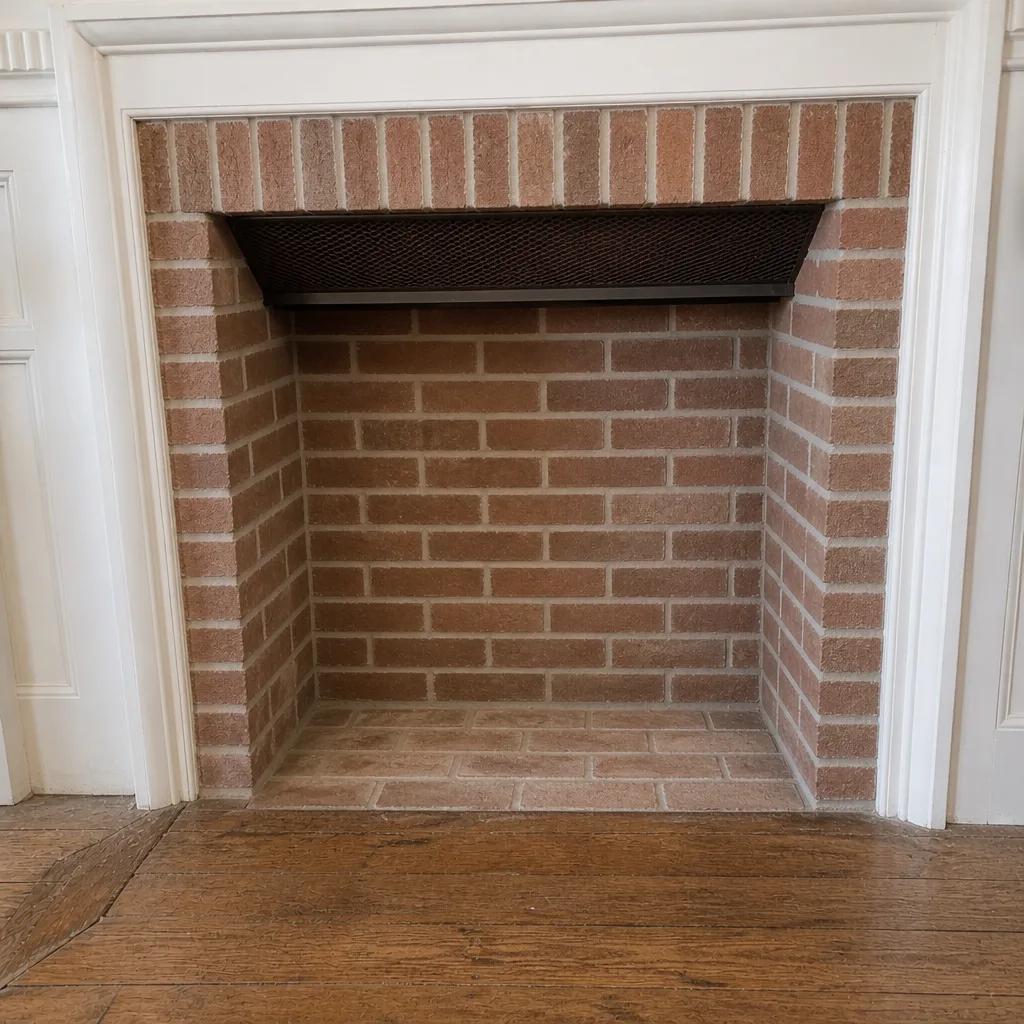
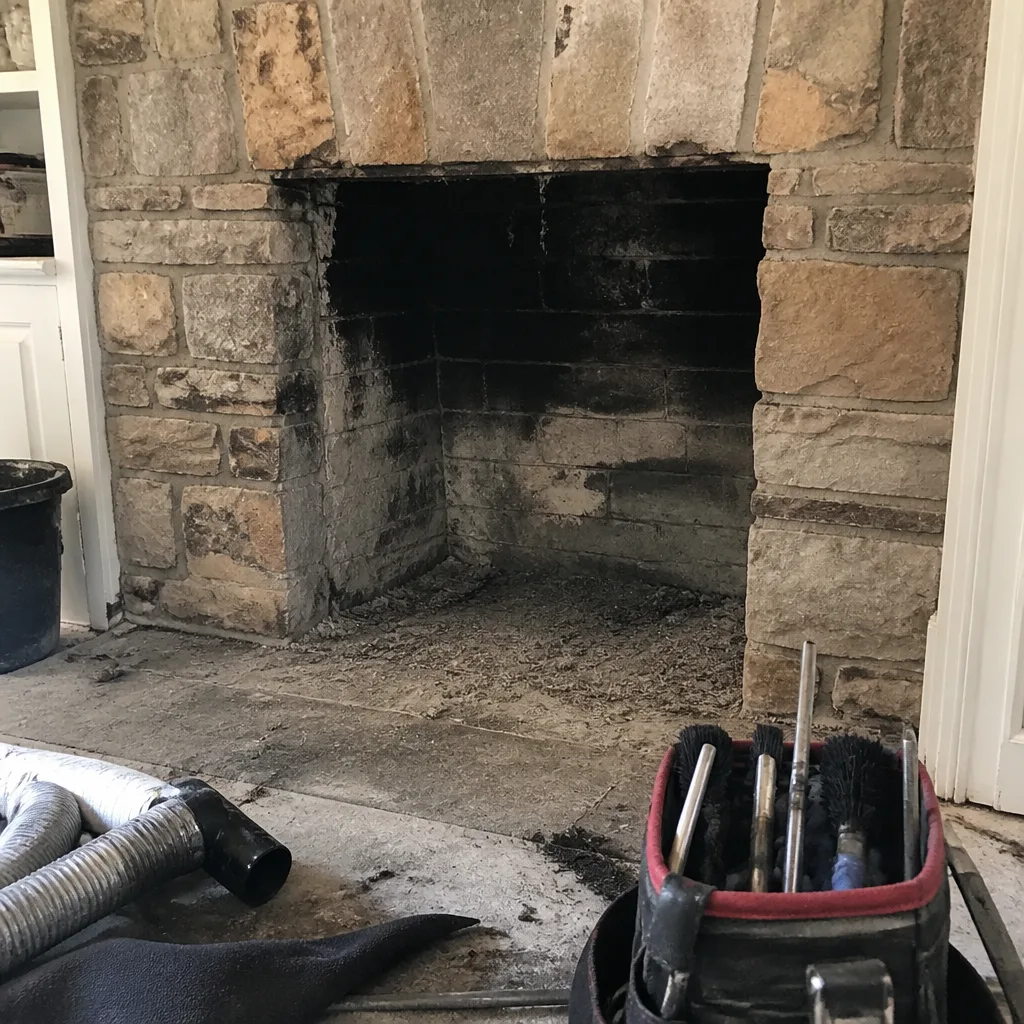
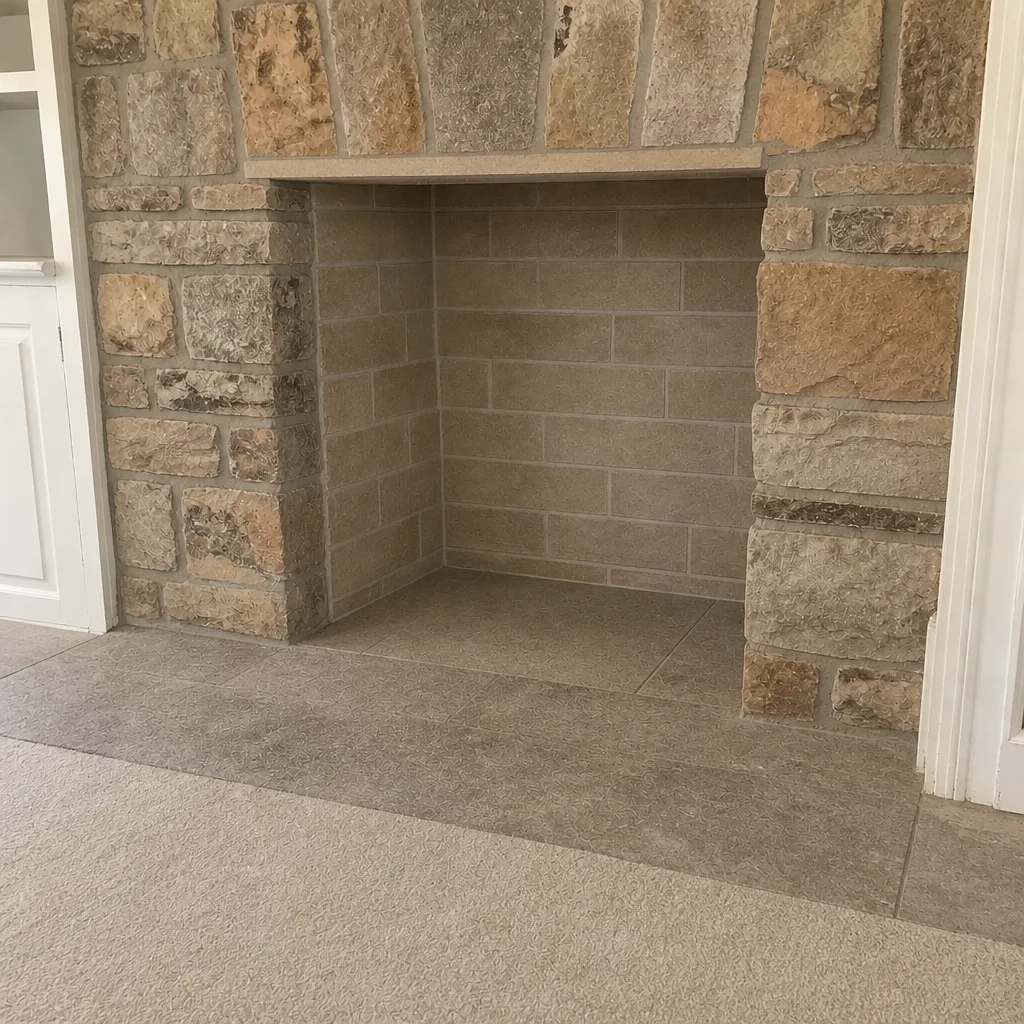
See the difference
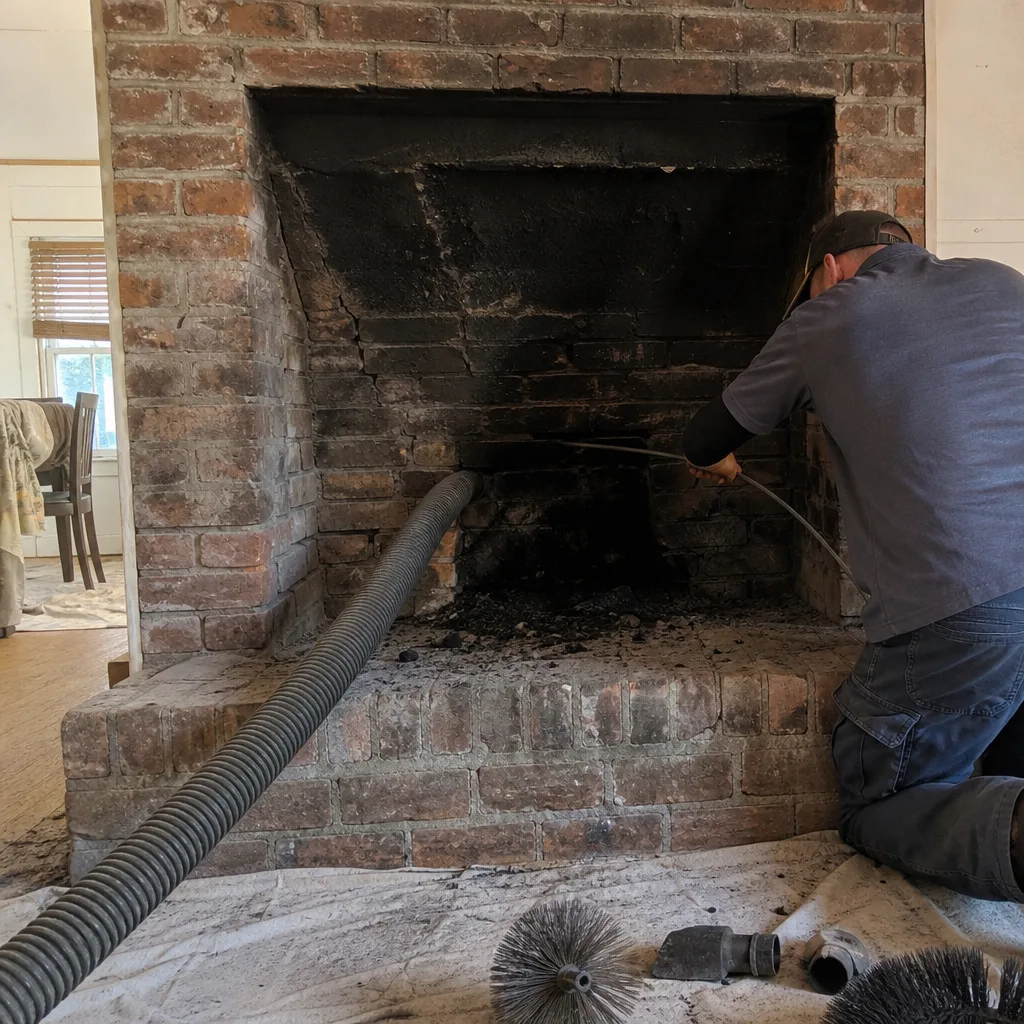 Before
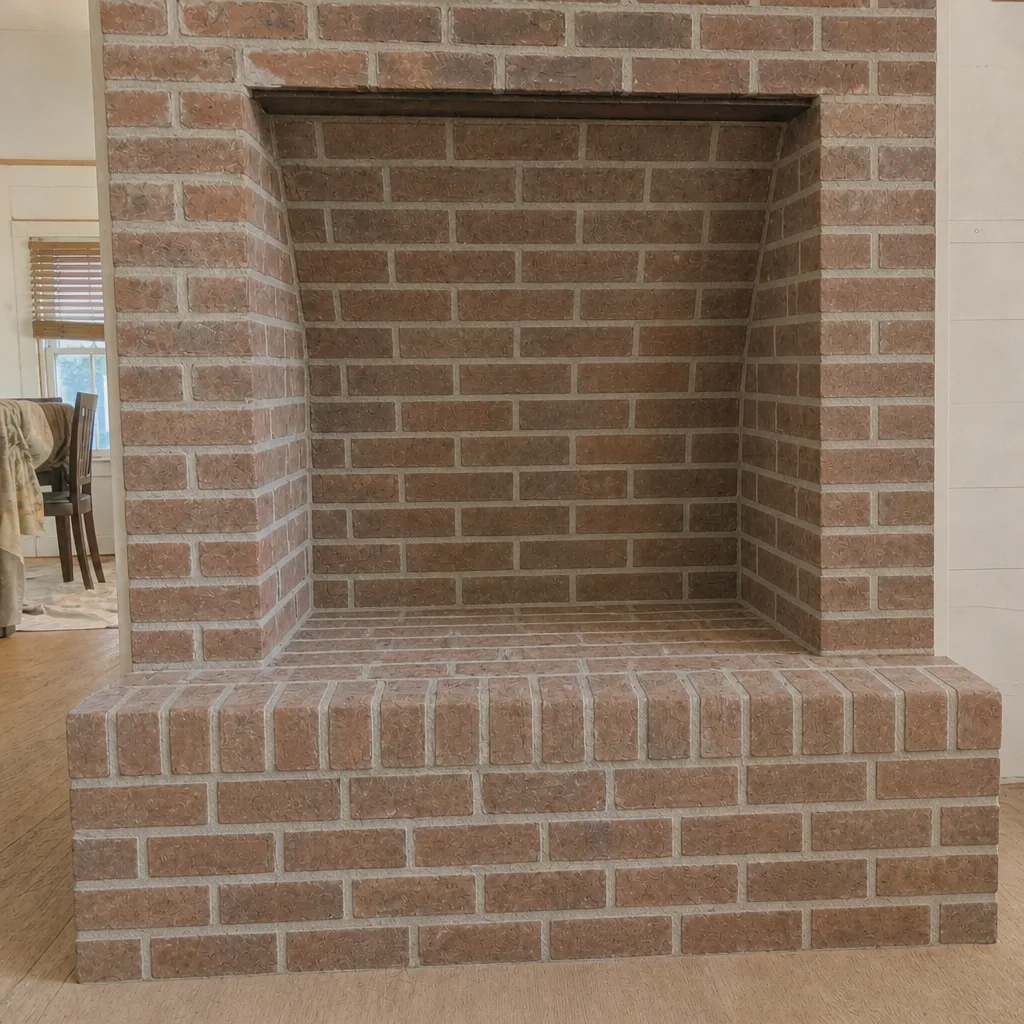 After
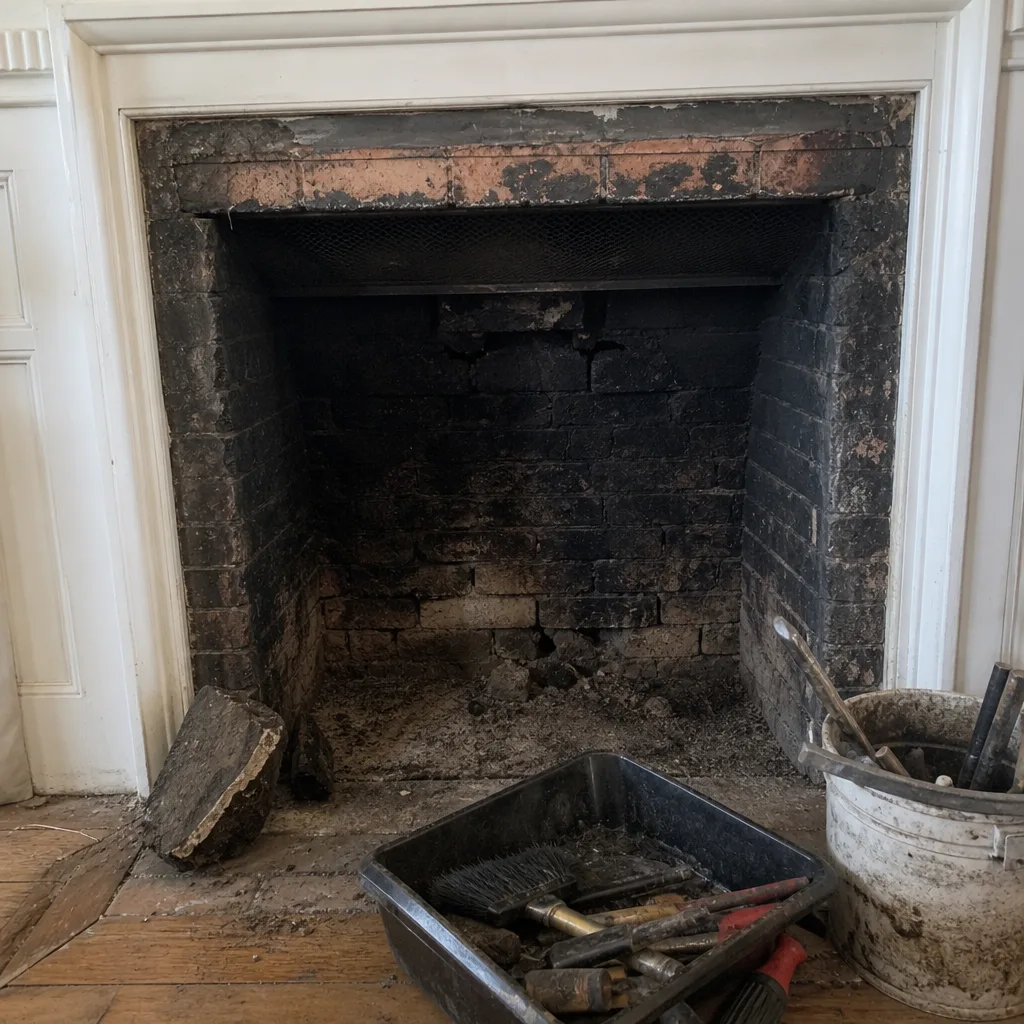 Before
 After
 Before
 After
When to Call a Professional
Some chimney jobs are DIY-friendly. Most product and repair decisions are not. Call a professional if you’re being told you need a new liner or substantial masonry work and have no way to verify it, if the cap is missing or damaged, if smoke is spilling into the room, if you smell creosote or see soot staining on any surface, or if it’s simply been a while since the flue was swept. A damaged clay flue and a failed crown are structural concerns, and the products involved need proper selection and installation. Rising heat and humidity in Charleston make regular inspection the practical habit.
Charleston Chimney Cleaning offers free estimates in Charleston. Call (866) 864-1983. We answer 24/7. Fast dispatch from 7am to 7pm, Sunday through Friday. Nothing gets recommended without a camera inspection and photo report you can see for yourself, and we’ll tell you plainly when work can safely wait. Our technicians have up to experience, and the same team that inspects your chimney can carry out the repair. We work with DuraFlex, HeatShield, Gelco, Olympia Chimney, Famco and Copperfield because the products matter to the outcome, not because of the logos.
Frequently Asked Questions
The four categories worth knowing are flexible liner systems, liner-resurfacing systems, caps and venting hardware, and crown sealants. Names that come up in the trade include DuraFlex and Olympia Chimney for liners, HeatShield for resurfacing, and Gelco, Copperfield and Famco for caps and venting components. What matters is whether your contractor can explain why each is the right fit. Call (866) 864-1983 for an exact quote on your chimney; estimates are free.
Yes, a fitted cap from a trade supplier like Gelco is a different object from a mass-market one, and in Charleston’s humid climate the cap is the part most exposed to rain and wind. A cap that doesn’t fit well can restrict draft or fail to shed water, and water intrusion is the slow cause of much masonry damage. Ask what cap is going on and how it’s fitted to your flue. Call (866) 864-1983 to book an inspection.
Cleaning logs change the chemistry of creosote already in the flue but do not remove it, so they don’t replace a mechanical sweep. They can be a supplement at best, never a substitute. If your flue has visible creosote buildup, the safe answer is a proper sweep and an inspection. Call (866) 864-1983 to schedule a sweep before burning season.
No, a spray coating is not the same as a structural repair. If a clay tile is cracked or gapped, the damage needs a product designed to restore it to a tested standard, such as a HeatShield resurfacing system or a full liner install. A coating that hides a crack without restoring it leaves the underlying problem in place. Call (866) 864-1983 for a camera inspection and a photo report before any repair is recommended.
The usual guidance is once a year for a wood-burning chimney in regular use, and more often if you burn heavily or notice buildup. In Charleston, where fires get lit well into spring, treating the yearly sweep as a habit is the practical approach. A sweep plus an inspection in the same visit covers both the cleaning and the condition check. Call (866) 864-1983 to book a sweep.
You may, or you may not. A liner is only needed when the existing flue can’t safely carry the products of combustion, and that determination should rest on camera footage you can see for yourself. If a contractor can’t show you the condition of your flue or explain why the product fits, ask for evidence. Nothing we recommend goes forward without a camera inspection and a photo report. Call (866) 864-1983 to book an inspection.
Creosote builds up in the flue over time, and a heavy deposit is a fire risk when it ignites. A blocked or partially blocked flue can also cause smoke and carbon monoxide to back into the home. Skipping the sweep doesn’t cause a problem overnight, but it lets buildup and small masonry issues compound. Call (866) 864-1983 for an exact quote; estimates are free.
Because it lets them resolve the problem in the same engagement instead of diagnosing it and sending you elsewhere to source parts. A company that carries professional-grade components can inspect, recommend and repair in one process, which cuts down on second appointments and clarifies warranty support. It reflects a business that treats material choice as part of the job. Call (866) 864-1983 to see whether a single-source approach fits your chimney.
The Bottom Line
The brand a contractor uses is one of the most reliable signals of how seriously they take the work. Flexible liners, resurfacing systems, caps and crown sealants all vary by manufacturer in ways that affect safety and longevity, and those differences are worth asking about before anyone touches your flue. In Charleston, where humidity and heat cycling accelerate wear at the top of the chimney, choosing products for the climate is not a small matter. The questions in this guide give you a fair way to evaluate a contractor. If you’d like to talk through your chimney with people who work with professional-grade components, we’re here to help.
Charleston Chimney Cleaning offers free estimates in Charleston. Call (866) 864-1983. We answer 24/7. Fast dispatch from 7am to 7pm, Sunday through Friday. From sweep to repair, we inspect it and we fix it, with a written estimate that sets the final price and nothing recommended without camera evidence you can see. We’re a Charleston company focused on the three core services that keep a chimney safe: sweeping, inspection and repair. If you’re starting from scratch, a good first step is to Charleston Chimney Cleaning and book a visit for a proper look at your flue.
Written by the team at Charleston Chimney Cleaning.