
Last updated November 15, 2026
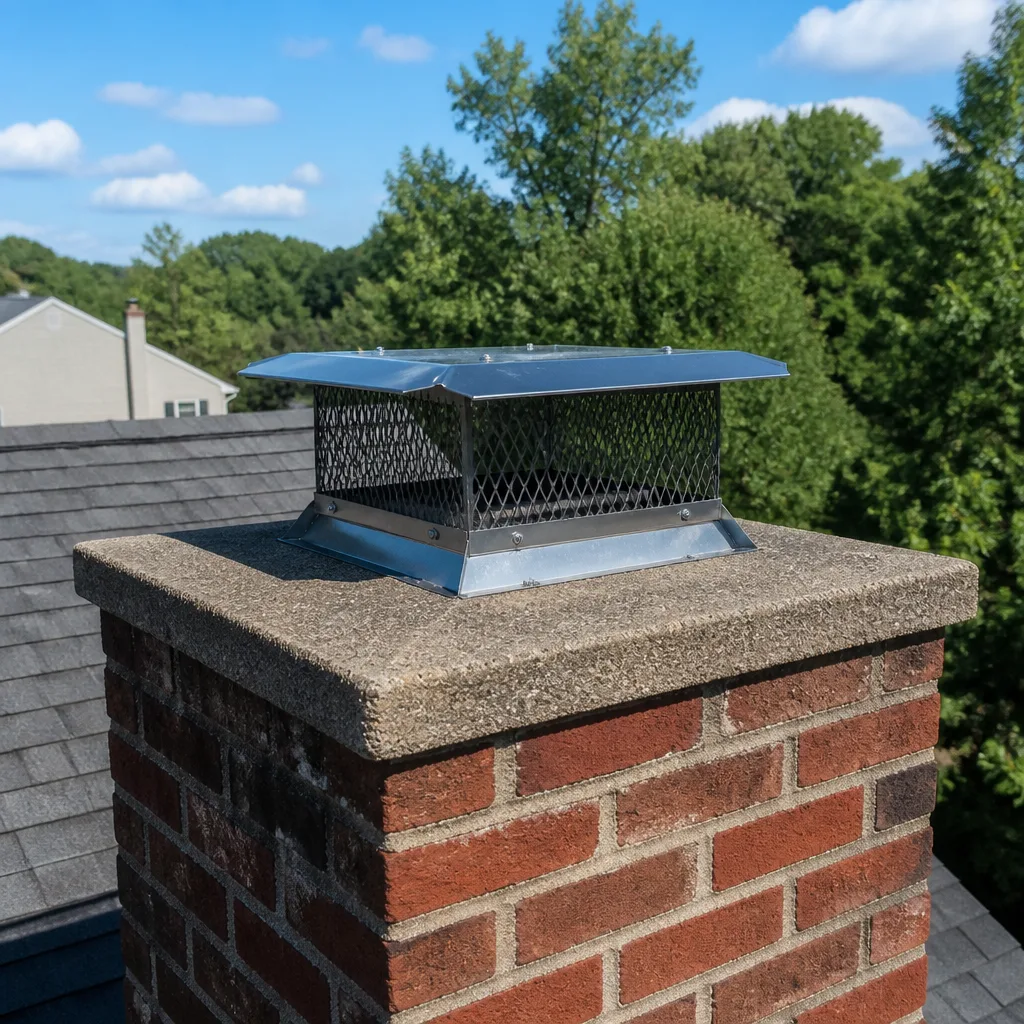 Sweep & inspection
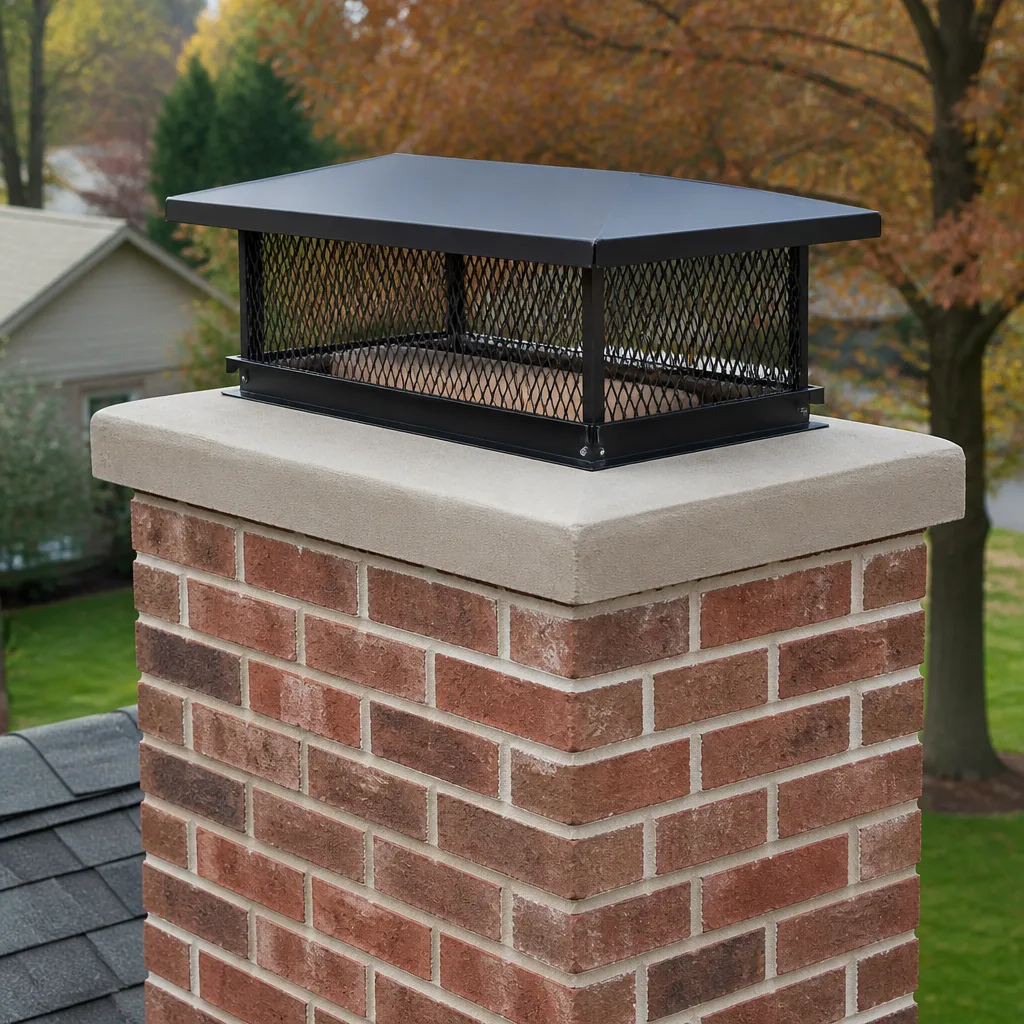 Caps & crowns
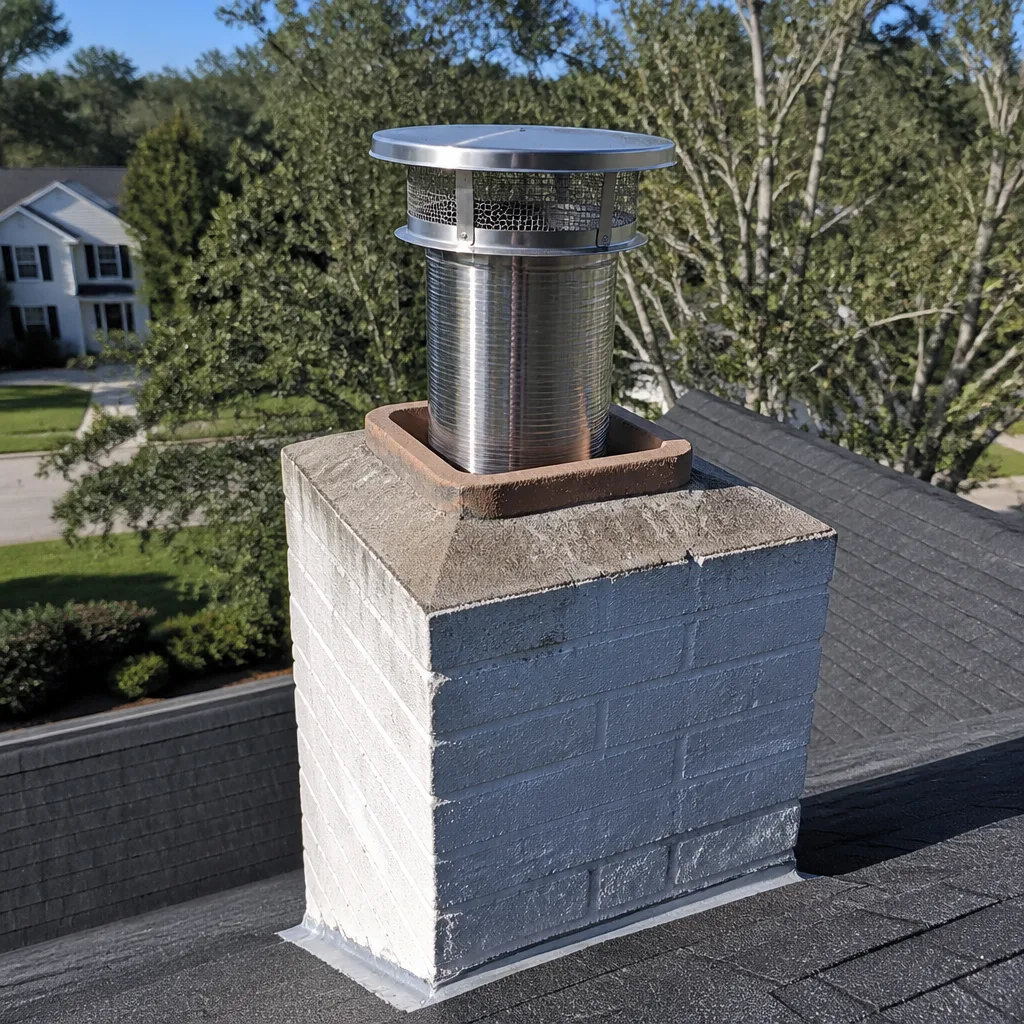 Flue relining
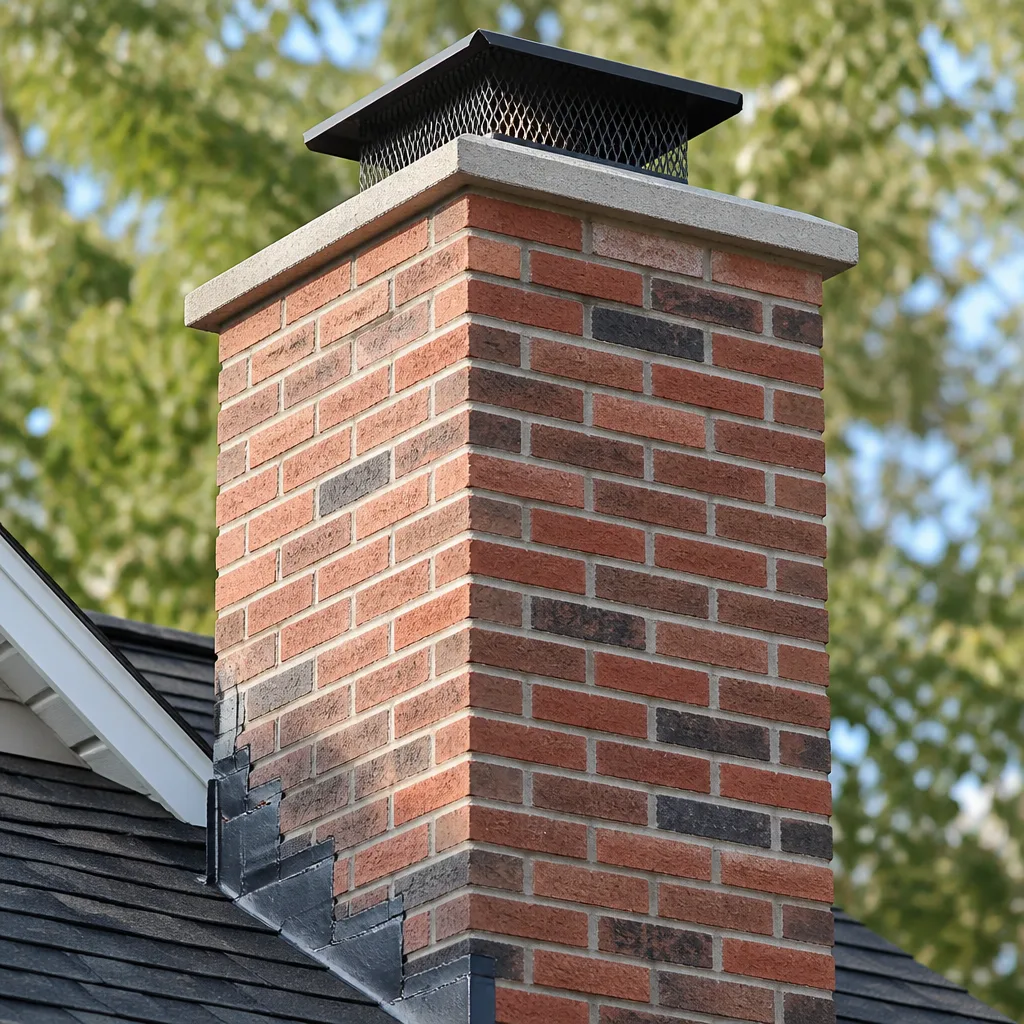 Masonry repair
 Gas fireplace service
Level 1 sweep and inspection to the NFPA 211 annual standard - flue, crown, cap, and flashing checked and photographed
Chimney sweep logs do not sweep chimneys. They loosen some creosote - which then falls where a brush and vacuum still have to collect it.
Chimney Sweep Maintenance Checklist for Charleston Homeowners
The month most Charleston homeowners should be thinking about their chimney isn’t October. It’s August. By then, a Lowcountry summer has spent months pushing humid air through every gap in the flue system, and the first cool-weather fire is what finally reveals what all that moisture did. Most people wait until they smell smoke backing up or hear a strange draft before they look. That’s backward. A chimney in Charleston doesn’t live on a heating-season schedule; it lives on a weather calendar, and the work that keeps it safe happens between fires, not during them. This guide lays out a month-by-month checklist built around the climate and weather events this city actually gets, from the firebox checks you can do yourself to the documentation worth keeping for insurance and resale.
Quick Answer
A Charleston chimney maintenance checklist should center on moisture control and post-storm inspection, not just annual sweeping. Have the flue swept and inspected before the first fire of the season (ideally in late summer), check the damper and visible firebox interior every few months, and inspect the cap and crown after any named storm or near-miss. Sweep annually for regular wood burning, and more often if you burn frequently or notice buildup.
Styles & brands we work with
- Sweep & inspection
- Caps & crowns
- Flue relining
- Masonry repair
- Gas fireplace service
Table of Contents
- Why Charleston Chimneys Follow a Different Calendar
- The Month-by-Month Maintenance Calendar
- Visual Checks You Can Do From the Firebox
- What to Inspect After a Named Storm
- Damper Operation: A Year-Round Concern in a Humid Climate
- Documentation That Matters for Insurance and Resale
- What a Professional Sweep and Inspection Covers
- How Often Should a Charleston Chimney Be Swept?
Why Charleston Chimneys Follow a Different Calendar
Most chimney-care advice you’ll find online was written for cold, dry climates where the enemy is creosote and the danger window is the deep winter. Charleston isn’t that. Here the dominant threat to a chimney system is moisture, and it doesn’t take a winter to cause damage. A humid summer works on masonry, mortar, and metal flue components for months at a stretch, and hurricane season adds wind-driven rain and impact risk on top of it.
That changes the whole logic of maintenance. In a dry climate, you sweep in the fall and mostly forget the chimney until next year. In Charleston, you’re managing a system that’s under moisture stress most of the year, which means:
- Small cracks in the crown or mortar joints let water in, and repeated wet-dry cycling widens them.
- A cap that’s shifted or lost lets rain straight down the flue, where it meets creosote and soot.
- A damper that doesn’t close fully lets humid outside air into the firebox year-round, feeding that moisture cycle.
- Storm events can displace caps, crack crowns, and drop debris without the homeowner ever noticing from the ground.
None of this shows up as a dramatic event. It accumulates quietly, which is exactly why a calendar beats a memory. When we sweep a chimney in Charleston, the condition of the flue often tells the story of several seasons of moisture the homeowner never saw. The checklist below is built to catch those problems while they’re still cheap to fix.
The Month-by-Month Maintenance Calendar
This calendar is built around real Lowcountry conditions rather than the generic four-season template. Fireplaces here get used from late fall into early spring, so the maintenance rhythm starts well before the first fire and follows the wet and storm seasons rather than the cold ones.
Late Summer (August – September)
This is the most important window. Book your sweep and inspection before the first fire so you know the flue is clear and structurally sound heading into the burn season. Inspect the firebox for any signs of moisture that built up over the summer (more on that below). Walk the yard and look up at the cap and crown.
Fall (October – November)
First fires of the season. Listen and smell: smoke that doesn’t draw, a smoky odor in the room, or a weak draft all signal a problem. Confirm the damper opens and closes smoothly. These are the months when a wet summer’s damage becomes obvious, and it’s far better to find it now than mid-season.
Winter (December – February)
Active burning. Monitor creosote accumulation by checking the flue visually if you safely can from the firebox, and pay attention to how the fire behaves. Keep an eye on the firebox for new cracks or crumbling mortar. If you burn frequently, this is when buildup accelerates.
Spring (March – May)
After the last fire, do a full end-of-season check. This is a good time for a professional inspection before the humid season settles in, so any repair – a crown crack, a damaged cap, a questionable liner – gets handled before months of moisture make it worse.
Hurricane Season (June – November)
This overlaps with the burn season and is the key difference from generic advice. After any named storm or significant wind event, inspect the cap and crown. Peak activity is typically late summer into fall, so storm checks sit alongside your pre-season prep.
Rainy Shoulder Months (Spring and Fall)
Watch for dampness around the firebox, staining on the chimney breast, or a musty smell. These point to water getting in where it shouldn’t.
Visual Checks You Can Do From the Firebox
You don’t need to climb a roof to catch early trouble. A flashlight and ten minutes at the firebox will show you a surprising amount about moisture intrusion and wear, and it’s the check most homeowners skip. Here’s what to look for, in order:
- Open the damper and shine a light up the flue. You’re looking for a clear, unobstructed passage and for any obvious buildup on the walls. You don’t need to judge creosote thickness yourself – just note what you see.
- Check the firebox walls for cracks and crumbling mortar. Hairline cracks in the firebrick or softening mortar can let moisture and heat into places they shouldn’t go.
- Look for water staining or efflorescence. White, powdery mineral deposits or dark water marks on the firebox or the chimney breast above it are strong signs moisture is getting in.
- Smell the flue. A persistent musty or smoky odor when the fireplace is cold can point to dampness or draft problems.
- Check the damper plate for gaps and rust. A damper that doesn’t sit flush lets conditioned air out and humid air in.
- Note the draft. A fireplace that struggles to draw, especially in a tight modern house, may have a flue or pressure issue worth a professional look.
These checks are observation only. Anything involving the flue interior beyond a look with a light, the crown, the cap, or any actual repair belongs to a trained professional. If you see something that concerns you, note it and have it evaluated. A free estimate from us covers exactly that evaluation.
What to Inspect After a Named Storm
Wind events are the part of Charleston chimney care that a generic checklist ignores, and they’re a real source of hidden damage. A near-miss or a direct hit can displace a cap, crack a crown, or drop debris into the flue, and none of it is obvious from the ground on a cloudy day. After any named storm or significant wind event, check these:
- Is the cap still centered and secure? A cap that’s shifted, tilted, or gone leaves the flue open to rain and animals. A properly fitted chimney repair or replacement cap is a first-line defense.
- Is the crown intact? Look for new cracks radiating from the flue or a chunk that’s broken loose. The crown sheds water away from the flue, and once it’s cracked, water goes where it shouldn’t.
- Debris in the firebox or on the smoke shelf. Leaves, twigs, and grit blown in during a storm can block the flue or sit and rot.
- New staining or dampness near the chimney. A storm can push water into cracks that were dry before.
- Loose flashing or water at the roofline. Where the chimney meets the roof is a common leak point after high winds.
If anything looks off after a storm, don’t wait for the annual sweep. A quick inspection now is far less costly than water damage discovered months later. Note that a damaged crown or cap is exactly the kind of thing a sweep visit can find and quote a repair for on the same day.
Damper Operation: A Year-Round Concern in a Humid Climate
A stuck-open or partially open damper is more than a minor annoyance in Charleston. When the fireplace isn’t in use, a damper that doesn’t close fully lets warm, humid outside air into the firebox and up into the flue, where it can condense on cooler surfaces. Over a humid summer, that’s months of moisture working on the interior. It also means you’re paying to air-condition the outdoors.
Check the damper a few times a year, and especially at the end of the burn season:
- Open and close it fully. It should move smoothly and seat flush across the opening.
- Look for rust on the frame or plate. Rust means moisture is present and the mechanism may be sticking.
- Feel for a gap along the edges when it’s closed. A visible gap is an air leak.
- Listen for scraping or grinding. That’s a sign the damper needs attention.
A damper that sticks, won’t close, or has rusted through should be evaluated by a professional, since replacement often means working within the firebox and flue assembly. Some dampers can be improved with a proper top-sealing setup, which is the kind of protective hardware we install rather than merely diagnose.
Documentation That Matters for Insurance and Resale
Charleston’s housing market is active, and buyers and insurers both ask questions about a home’s chimney. What you can show them matters as much as what’s actually true. Keep a simple record from the start:
- Photos. Date-stamped photos of the firebox, the cap, the crown, and any storm damage before it’s repaired. Photos establish condition and timeline.
- Sweep records. Keep a dated record of each sweep, including any notes on creosote level or flue condition.
- Inspection reports. Retain every professional inspection report, especially any that documents the liner, cap, and crown condition.
- Repair receipts and material records. If a cap, liner, or crown was repaired or replaced, keep the paperwork and note the product used. Records that name professional-grade components are worth more than a vague “repaired” note.
For insurance, documented maintenance shows the chimney was cared for, which matters if a claim ever involves fire or water damage. For resale, a clean paper trail answers buyer questions before they become negotiation points. A photo of a properly fitted stainless liner and cap is a stronger selling document than a verbal assurance. It’s a small habit that pays off twice.
What a Professional Sweep and Inspection Covers
A proper visit is more than running a brush up the flue. It’s a two-part job: clearing the flue, then evaluating the whole system. Here’s what a thorough sweep and inspection includes, and why each part matters in a humid climate:
- Flue cleaning. Removing soot and creosote restores proper draft and reduces fire risk. The amount of buildup tells you how your burning habits are working.
- Stove or fireplace firebox check. Cracks, crumbling mortar, and water staining are all noted.
- Liner evaluation. The liner is the system’s structural core. A damaged liner is a serious safety concern, and in a damp climate, small failures can worsen over a season. We work with liner systems like DuraFlex and HeatShield because resurfacing and proper liner installation is part of real repair, not just cleaning.
- Cap and crown inspection. These are your first defense against water. We install professional hardware like Gelco caps and Olympia Chimney components rather than leaving you to source parts on your own.
- Damper function. Opening, closing, and sealing checked.
- Photo report. You see what we see. Nothing is recommended without evidence you can look at yourself.
Having the chimney sweep and any resulting repair handled by the same company removes the delays that come from splitting the work between contractors. If the sweep turns up a problem, we can quote and, when appropriate, complete the repair without a second appointment. That single-source accountability is the reason we treat the sweep and the repair as one continuous service.
How Often Should a Charleston Chimney Be Swept?
Once a year is the baseline for a regularly used wood-burning chimney, and most Charleston homeowners who burn through the fall and winter fall into that rhythm. But the annual sweep is a floor, not a ceiling, and the humid climate here means the surrounding checks need to happen more often than the sweep itself.
Consider sweeping more often if you burn frequently, burn unseasoned or green wood, or notice draft problems. Consider an extra inspection after any named storm, after a long damp stretch, or any time you spot moisture signs in the firebox. And keep the low-cost checks – damper, firebox, cap from the ground – on a regular schedule through the year, not just at the annual sweep.
The reason to stay on the calendar is safety, not busywork. A chimney fire and carbon monoxide exposure are both real risks of a neglected system, and the moisture damage that builds in a humid climate can quietly undermine a liner over a season. The good news is that most of what we find is early and fixable. When something can safely wait, we say so. When it can’t, the photo report shows you why. That’s the honest version of chimney care, and it’s the version that keeps a Charleston home safe without overselling.
Common Mistakes to Avoid
- Waiting for the first cold snap to book a sweep. In Charleston that’s too late to catch a wet summer’s damage. Book in late summer so you know the flue is sound before the burn season starts.
- Skipping the post-storm look. A displaced cap or cracked crown after a wind event is easy to miss from the ground and easy to fix once noticed. Ignore it and rain does the rest.
- Ignoring a damper that doesn’t close fully. It’s not just a draft. In a humid climate, it’s a year-long moisture and energy problem, so have it checked rather than lived with.
- Treating the sweep as the whole job. Cleaning without inspection misses the liner, cap, and crown – the parts that fail quietly and cost the most when they do.
- Using hardware-store parts on a professional system. Caps and venting components sold at retail aren’t the same as the professional-grade materials a chimney’s system actually needs. The difference shows up over time.
- Not keeping records. No photos, no papers, no dated sweep notes means nothing to show your insurer or a buyer. Start a simple file today.
- Splitting the work between contractors. When cleaning and repair are handled separately, problems fall through the gaps. Keep it with one company that both inspects and fixes.
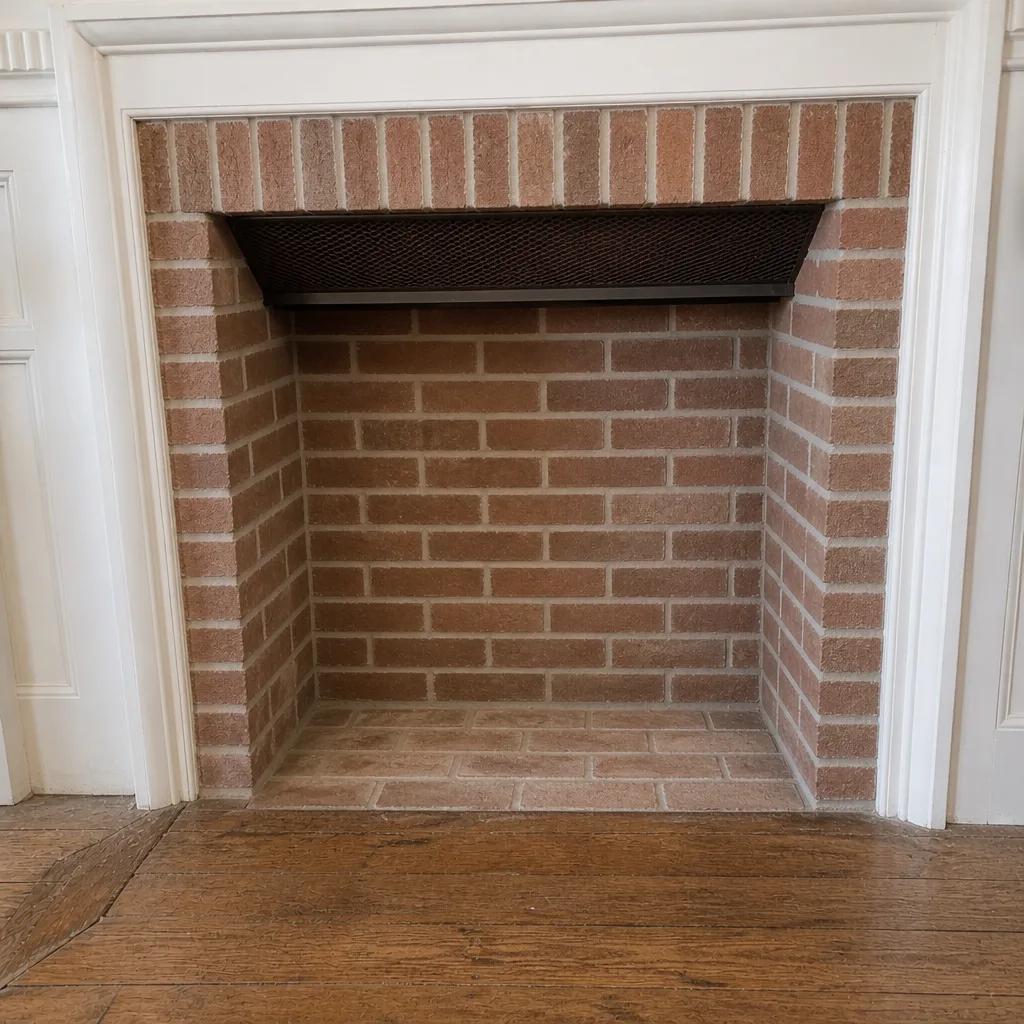
See the difference
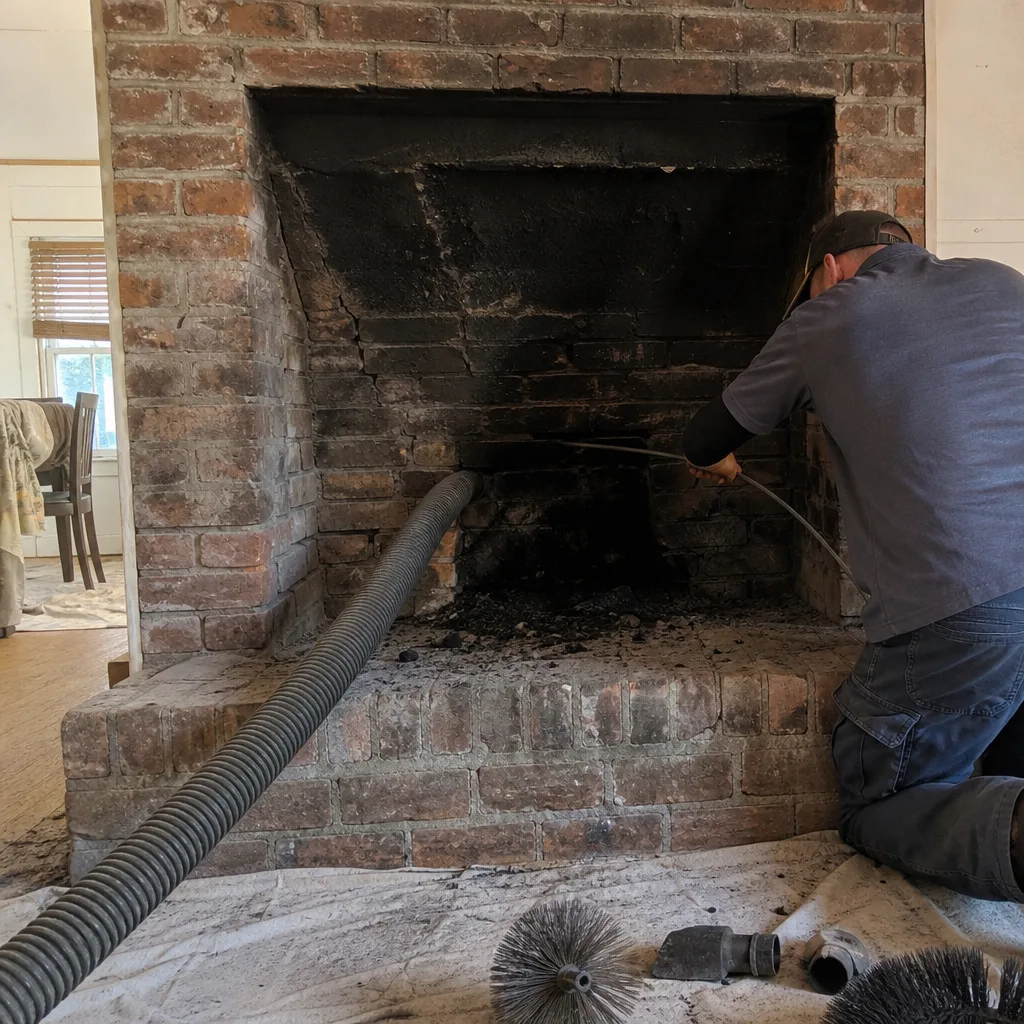 Before
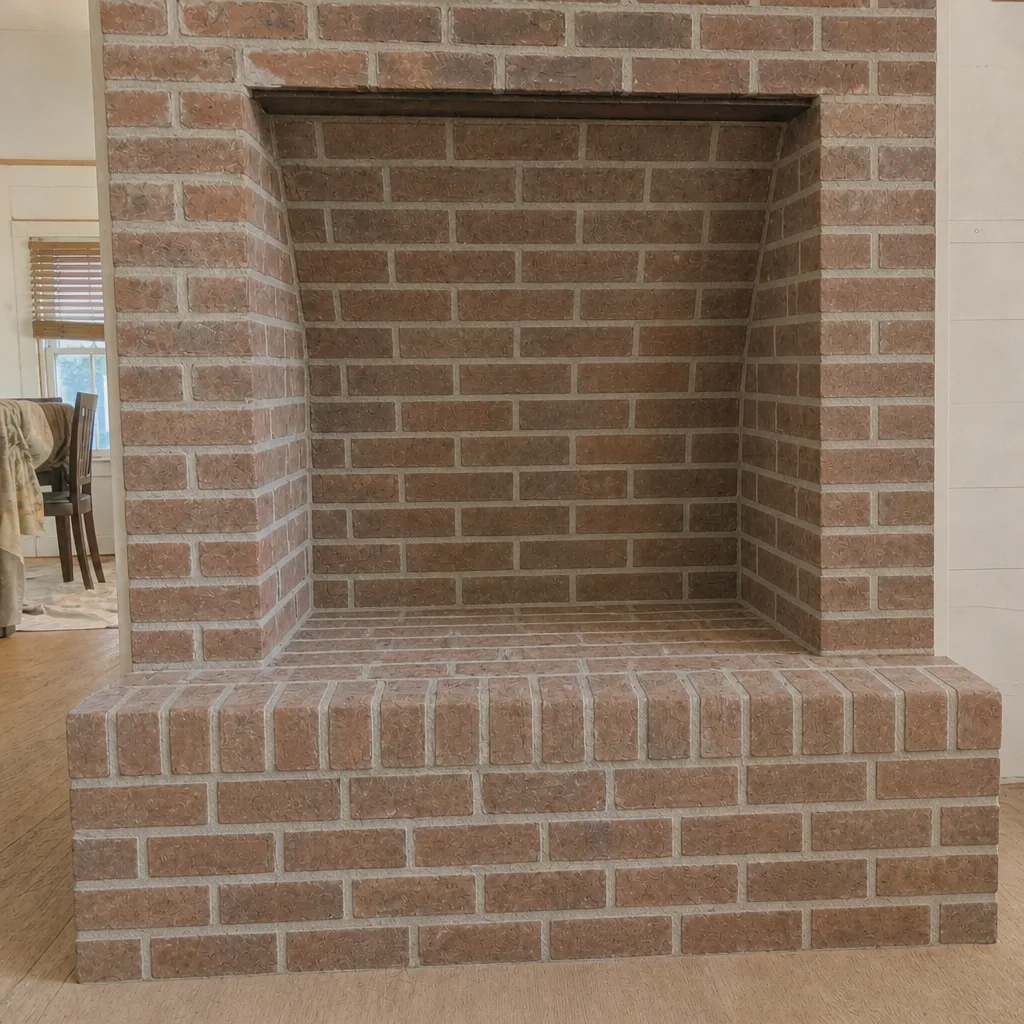 After
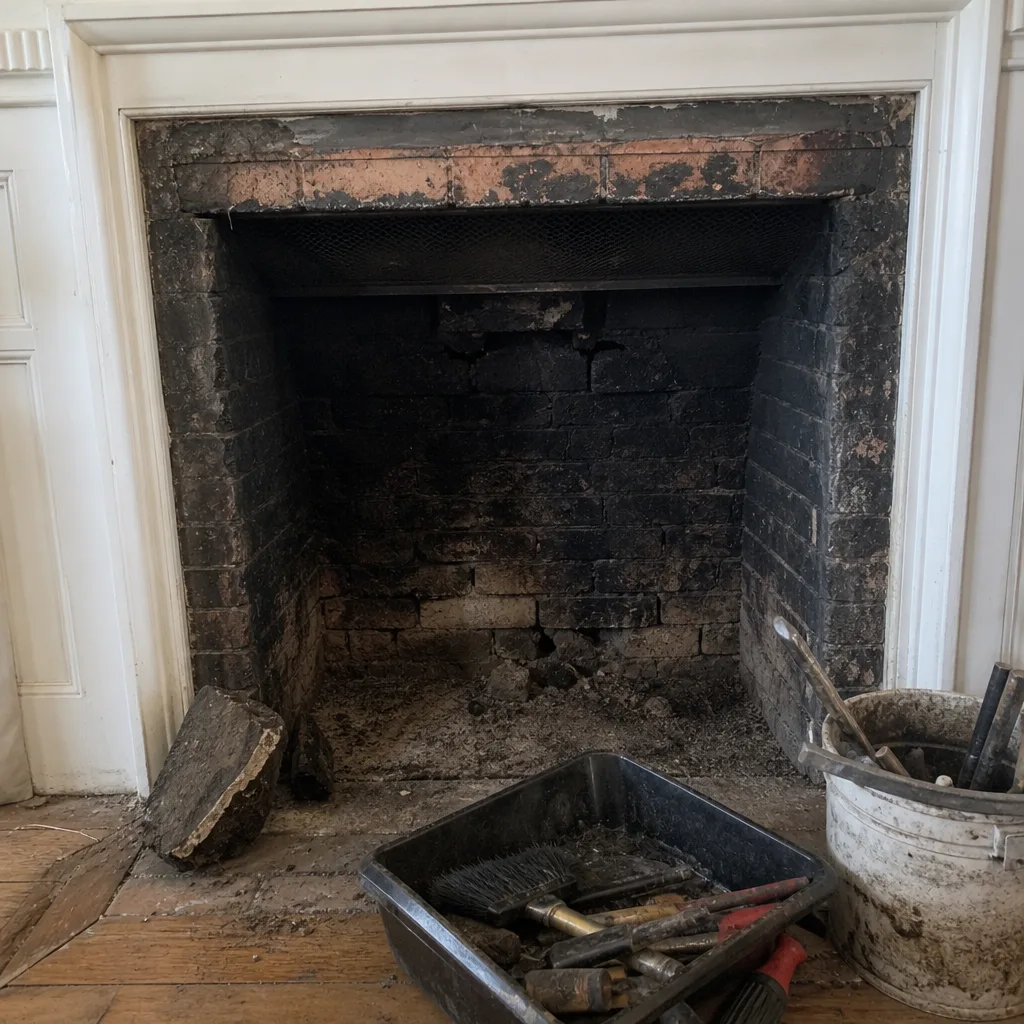 Before
 After
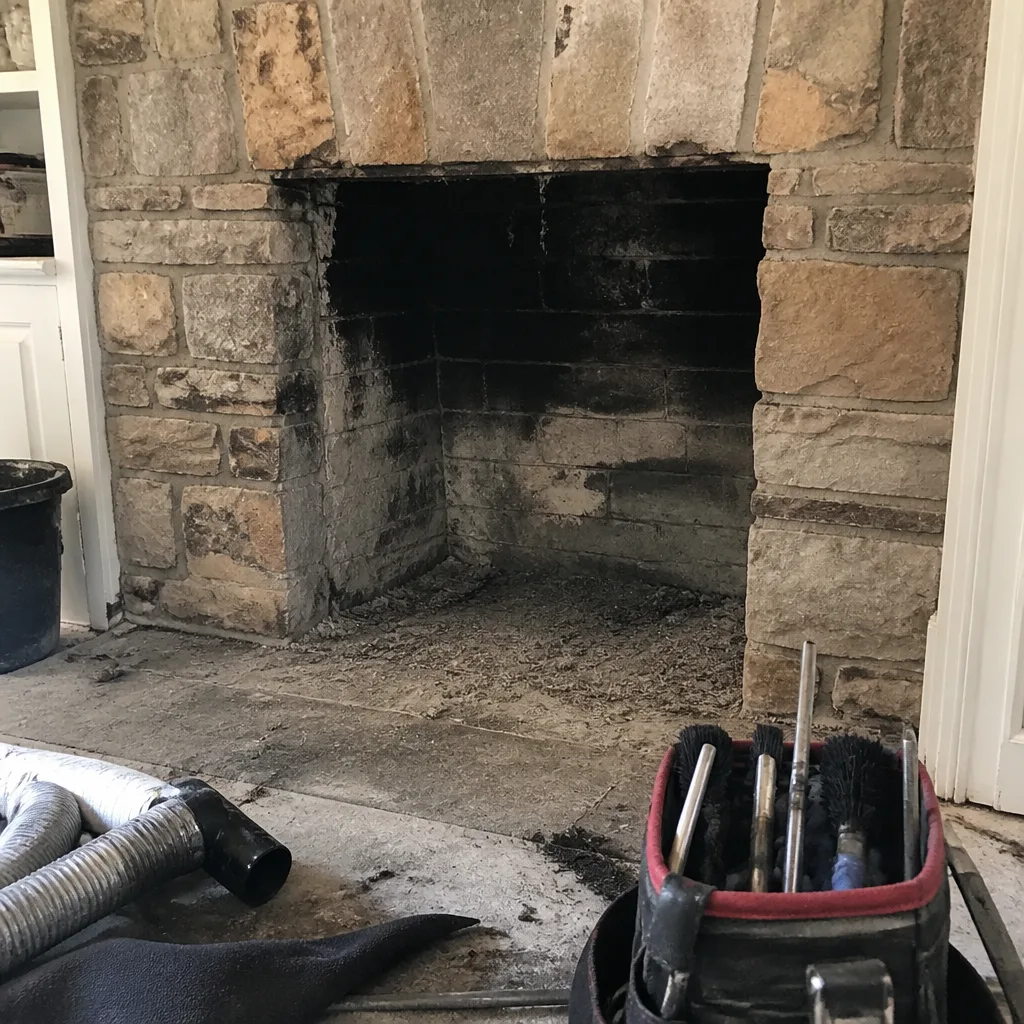 Before
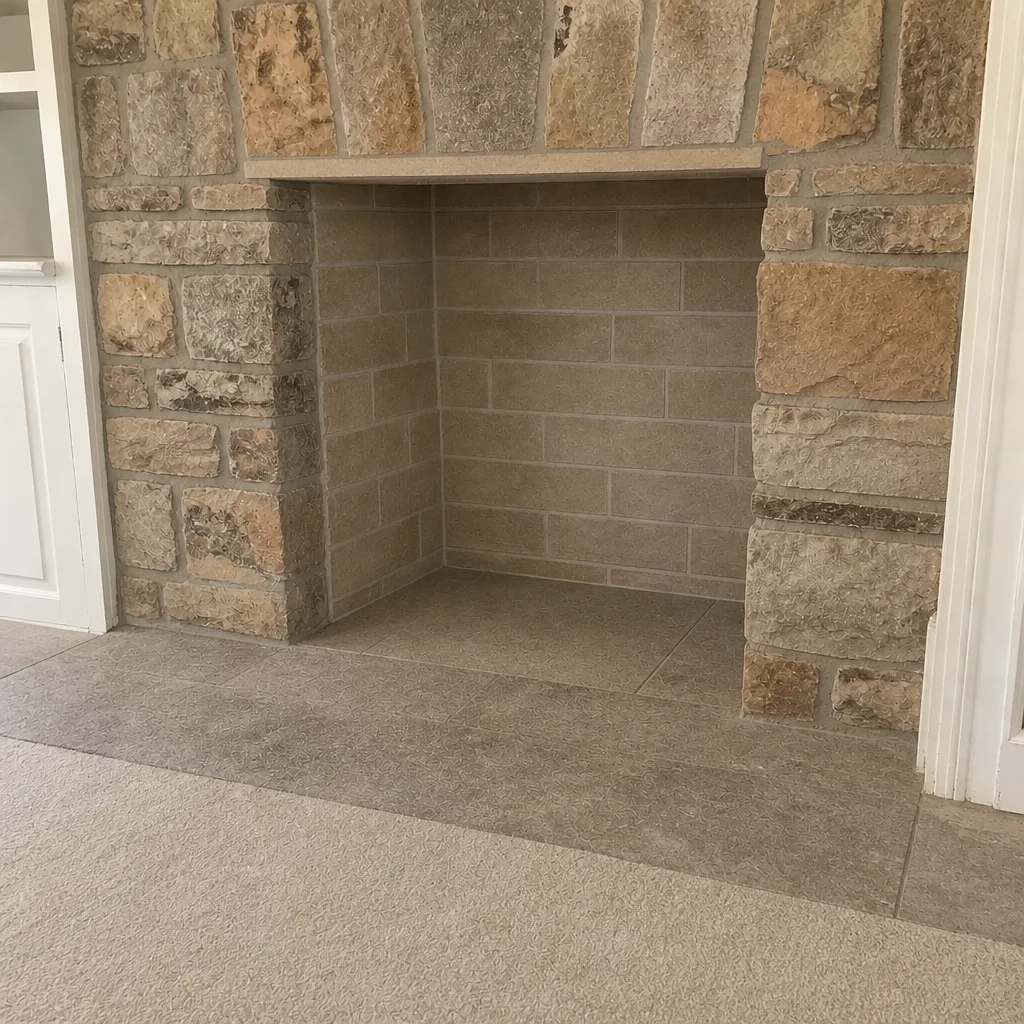 After
When to Call a Professional
Call a professional anytime something about your chimney changes and you’re not sure why. That includes: smoke backing into the room or a weak draft, a smoky smell when the fireplace is cold, visible cracks in the firebox or chimney breast, water stains or white mineral deposits near the chimney, a damper that sticks or won’t close, a cap that looks off or a crown you suspect is cracked, and anything unusual after a storm. Also call before the burn season if it’s been a year or more since your last sweep. Safety-related issues – a suspected damaged liner, a chimney fire, or any sign of carbon monoxide – should be evaluated before the chimney is used again.
Charleston Chimney Cleaning offers free estimates in Charleston – call (866) 864-1983. We answer 24/7. Fast dispatch from 7am to 7pm, Sunday through Friday. Our technicians have up to experience, we inspect it and we fix it, and nothing gets recommended that you can’t see in the photo report. Call (866) 864-1983 for your free estimate.
Frequently Asked Questions
Once a year is the standard for a regularly used wood-burning chimney in Charleston. In our humid climate, keep the damper and firebox checks on a more frequent schedule and add a storm inspection after any named event. Call (866) 864-1983 for an exact quote – estimates are free.
Late summer, before the first fire of the season, is the best window. That gives you a clear picture of your flue’s condition after a humid summer, before you start burning. Call (866) 864-1983 to book your sweep – estimates are free.
Check the cap for security and centering, the crown for new cracks, the firebox for blown-in debris, and the area around the roofline for loose flashing or dampness. If anything looks wrong, have it inspected rather than waiting for the annual sweep. Call (866) 864-1983 – estimates are free.
Yes. In Charleston’s humidity, a partially open damper lets moist outside air into the firebox and flue year-round, which can condense and cause damage, and it wastes energy. Have a sticking or rusted damper evaluated. Call (866) 864-1983 for an exact quote – estimates are free.
A sweep alone cleans the flue but doesn’t evaluate the liner, cap, and crown, which are where moisture damage hides. A proper visit includes both cleaning and inspection with a photo report. Call (866) 864-1983 – estimates are free.
Because Charleston’s real damage window is moisture and storms, not just the heating season. That means damper, firebox, cap, and post-storm checks alongside the annual sweep. Call (866) 864-1983 for an exact quote – estimates are free.
The Bottom Line
A Charleston chimney needs a weather calendar, not a heating-season reminder. Sweep and inspect in late summer before the first fire, keep damper and firebox checks going through the year, look at the cap and crown after every named storm, and keep dated records of it all for insurance and resale. Moisture is the main threat here, and it works slowly, which is why small checks on a schedule beat big repairs on a scramble. Every firm recommendation should come with a photo you can verify, and when work can safely wait, we say so. From sweep to repair, one call covers it. Call (866) 864-1983 for a free estimate. We answer 24/7. Fast dispatch from 7am to 7pm, Sunday through Friday.
Written by the team at Charleston Chimney Cleaning.