
Last updated November 15, 2026
 Sweep & inspection
 Caps & crowns
 Flue relining
 Masonry repair
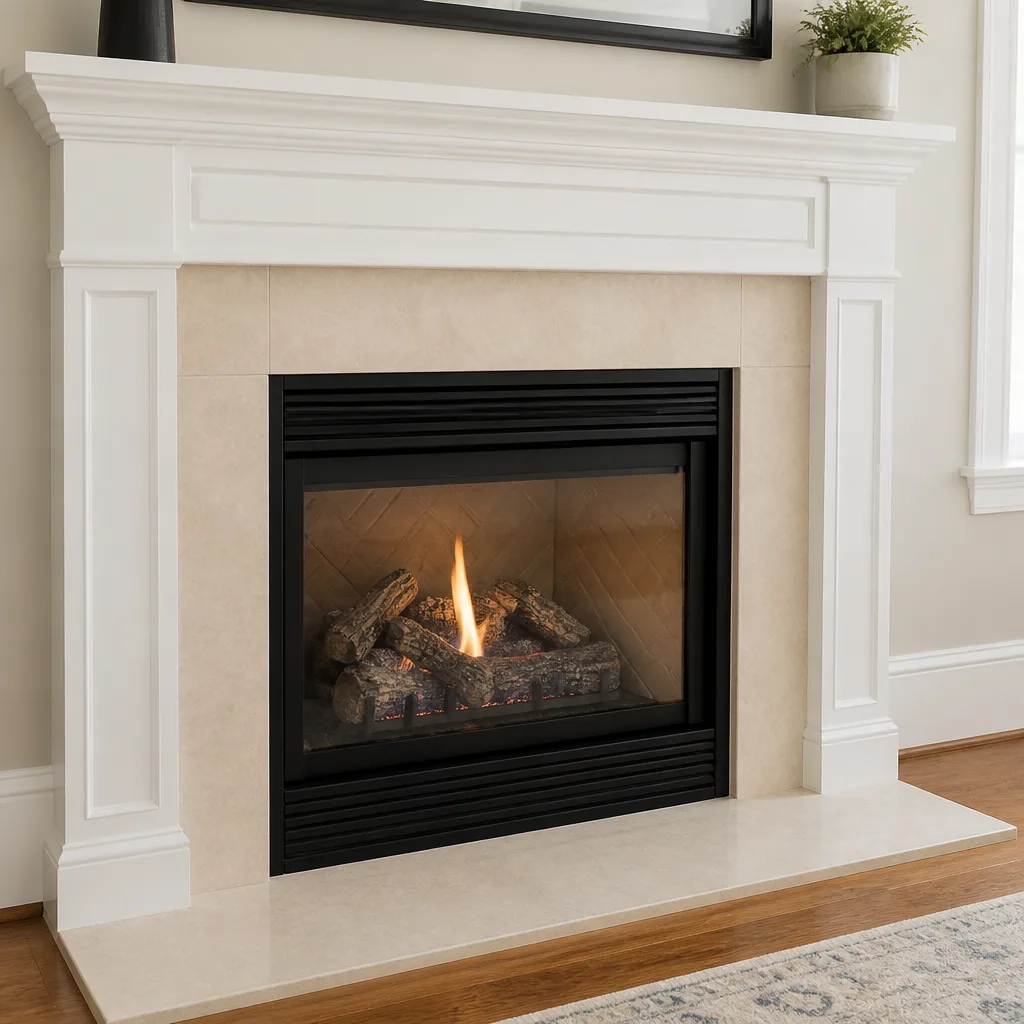 Gas fireplace service
Level 1 sweep and inspection to the NFPA 211 annual standard - flue, crown, cap, and flashing checked and photographed
Chimney sweep logs do not sweep chimneys. They loosen some creosote - which then falls where a brush and vacuum still have to collect it.
Chimney Cleaning Warning Signs: A Charleston Homeowner’s Reference Guide
Most warning-sign lists point you toward the dramatic stuff: smoke rolling into the living room, flames where flames shouldn’t be. By the time those show up, you’re past maintenance and into repair. The signals that actually matter in Charleston appear months earlier and they’re quiet. A white stain on exterior brick. A faint musty smell in July. A soft click when the house settles. This guide covers those early indicators, what each one means for your flue and masonry, and how to tell a watch-and-schedule situation from a stop-using-the-fireplace-now situation. In our experience working Charleston chimneys, the homeowners who catch problems early are the ones reading the outside of the chimney, not the fire.
Quick Answer
Chimney cleaning warning signs in Charleston include white efflorescence staining or flaking brick on the exterior, rust on the damper or firebox walls, a musty or acrid odor when the fireplace is idle, and popping or dripping sounds from an unused flue. Any of these means moisture or creosote has gotten where it shouldn’t. Call for a sweep and inspection before your next fire; a hissing sound, visible cracks through the flue tile, or smoke backing into the room means stop using the fireplace until a professional inspects it. Call (866) 864-1983. We answer 24/7. Fast dispatch from 7am to 7pm, Sunday through Friday.
Styles & brands we work with
- Sweep & inspection
- Caps & crowns
- Flue relining
- Masonry repair
- Gas fireplace service
Table of Contents
- Exterior Warning Signs on Charleston Brick Chimneys
- Interior Signs You Can See From the Firebox
- Odor Patterns: What Each Smell Tells You
- Auditory Cues From a Chimney That Isn’t in Use
- Monitor-and-Schedule vs. Stop-Using-It-Now
- Why Charleston Humidity Accelerates Chimney Problems
- How Often to Sweep in a Wood-Burning Household
- Common Mistakes to Avoid
Exterior Warning Signs on Charleston Brick Chimneys
A white chalky stain on your chimney’s exterior brick is not a cosmetic issue. It’s efflorescence, and it tells you water is moving through your masonry and pushing mineral salts to the surface as it dries. On a Charleston chimney, where summer humidity sits heavy for months and afternoon thunderstorms soak brick that then bakes in the sun, this cycle repeats all season. Each wet-dry pass widens the microscopic channels water uses to travel, and eventually that path reaches the flue liner.
Walk around the chimney once a month and look for these three signs:
- Efflorescence. A white or gray haze on the brick face. Early stage. Treat it as a moisture warning, not a stain to scrub off.
- Spalling. Brick faces flaking, peeling, or popping off in thin sheets. Water has gotten inside the brick and is forcing it apart from within. This is late stage and always means the chimney has absorbed more water than it can shed.
- Mortar joint recession. The mortar between bricks has eroded back from the brick face, leaving the joints visibly hollow. Charleston’s humidity and seasonal temperature swings accelerate this, and once the joints recede, more water enters the wall.
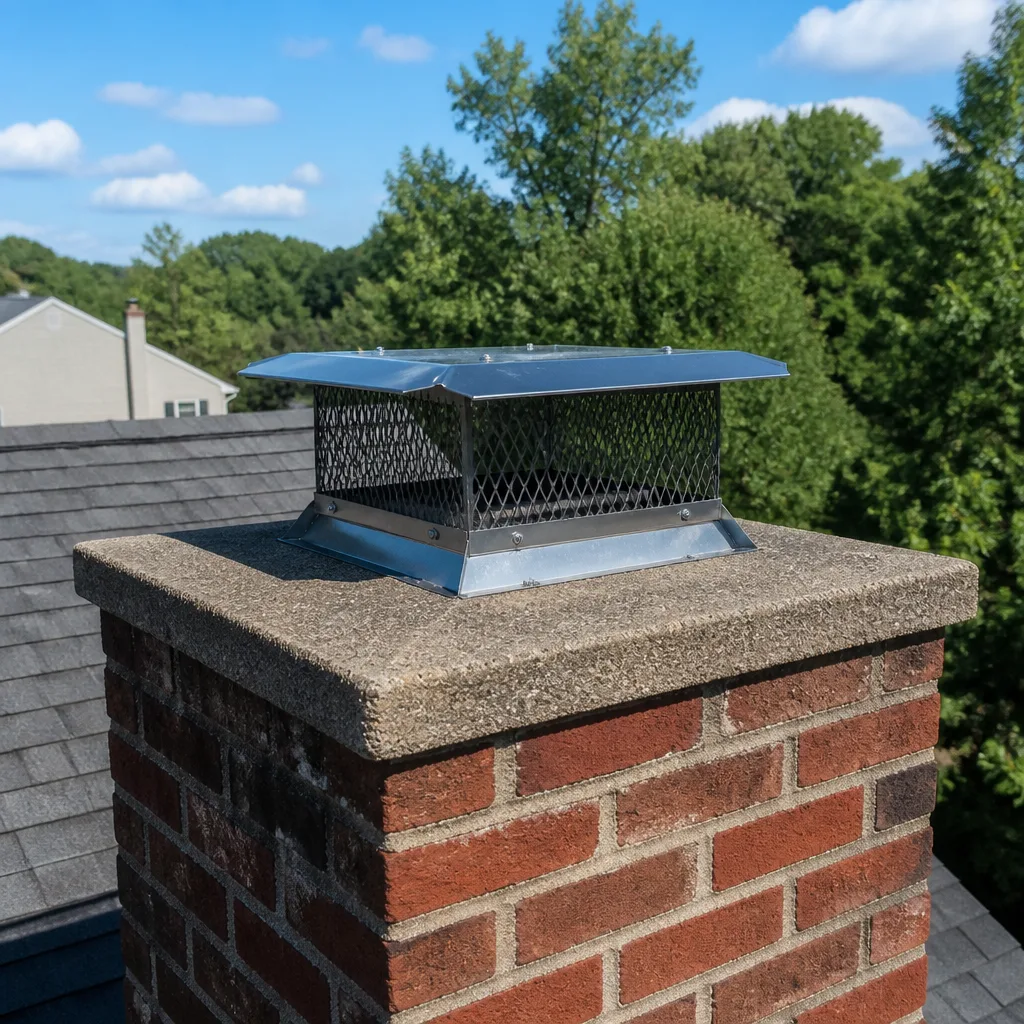
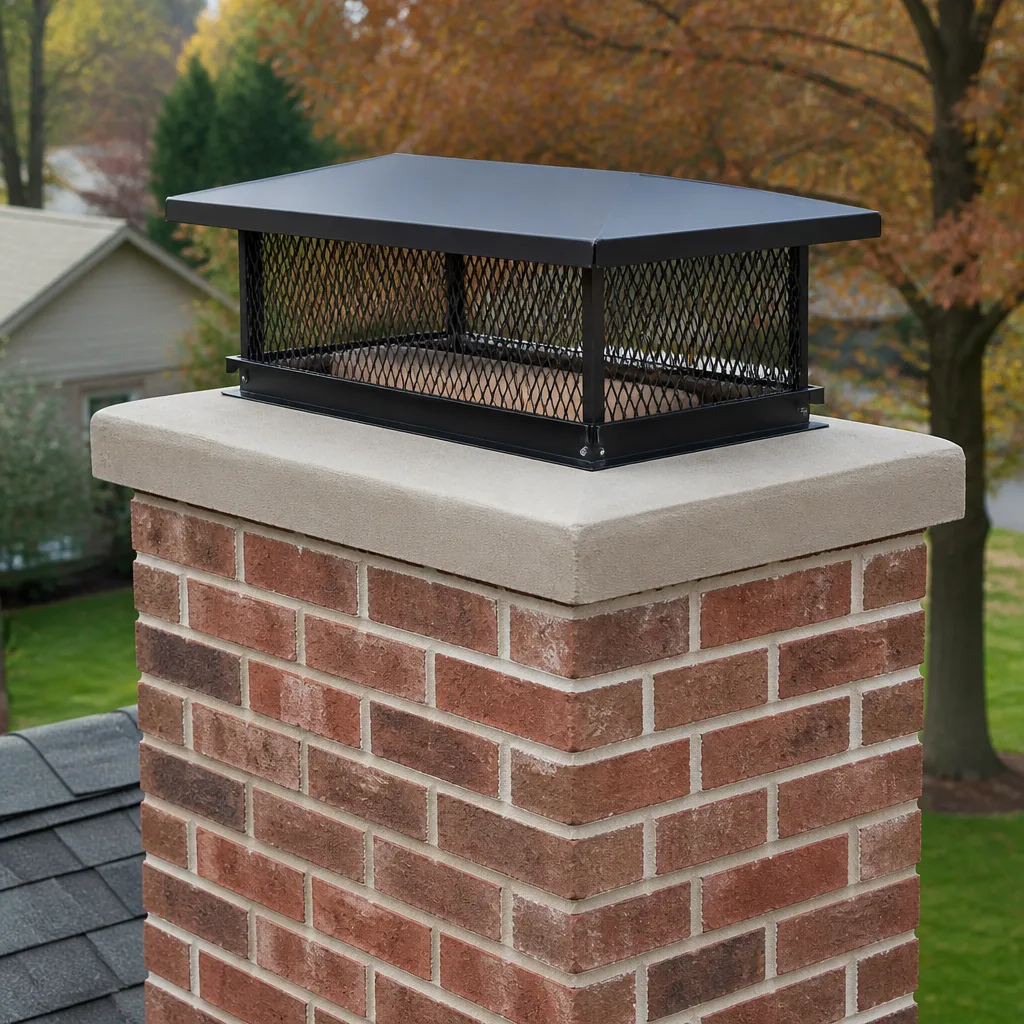
Also check the crown, the concrete slab at the very top. A crown with visible cracks, or one that no longer slopes away from the flue, is a direct funnel for rainwater. We install Gelco chimney caps and crowns precisely because this one component protects everything below it. A cracked crown is often the root cause behind the efflorescence you find three feet lower down.
Interior Signs You Can See From the Firebox
You don’t need a flashlight and tools to read the most useful interior signals. Open the damper, crouch down, and look. The firebox and damper tell you what’s happening inside the flue weeks before a chimney fire or a carbon monoxide problem forces the issue.
- Look at the damper. Rust or orange-brown discoloration on the metal damper plate or the damper frame means moisture has been condensing inside the chimney. A damper should be dry. Rust is a moisture signal, and moisture plus creosote is the combination that drives the deterioration.
- Check the firebox walls. A white, hazy, or powdery film on the brick inside the firebox is a different kind of efflorescence, this time from water vapor reacting with the masonry. Unlike soot, which is black or brown, this haze is pale and chalky.
- Look up at the smoke shelf. The smoke shelf is the ledge just behind the damper. Debris piled there, whether creosote flakes, leaves, or a bird’s nest, restricts the draft and is a fire hazard. You can often see it by looking up and back with a light.
- Feel for crumbling mortar. Run your eye along the firebox joints. Soft or sandy mortar that crumbles when touched means the firebox masonry has been compromised by heat and moisture cycling. That needs professional evaluation, not a homeowner patch.
What you should not do: climb onto the roof to inspect the flue from above. An interior-only look is safe. Roof and flue-top work is dangerous, and in Charleston’s heat and humidity, a slip on a steep pitch is a real risk. Leave the top-of-flue inspection to us. Our technicians have up to experience and inspect the full flue and cap with the right gear.
Odor Patterns: What Each Smell Tells You
Smell is the most underused diagnostic tool a homeowner has. When the fireplace hasn’t burned in weeks and the chimney should be silent, the type of odor that drifts into the room narrows down the problem before anyone touches a tool. Three distinct smells mean three distinct conditions.
- Musty, earthy, damp smell. Water. Either rain is entering through a failed crown, a missing or damaged cap, or failed flashing at the roofline, or condensation is forming inside the flue. In Charleston’s humid summers, a chimney that has no cap and gets no airflow becomes a condensation trap. The musty smell is the first indicator, and it usually shows up before the efflorescence on the exterior does.
- Sharp, acrid, almost sour smell. Creosote, specifically the glazed or tar-like variety. As glazed creosote absorbs ambient moisture in humid weather, it releases that sharp odor. This is the most serious of the three because glazed creosote is the fuel for a chimney fire. It also means a standard sweep may not remove it; it may need a resurfacing product like HeatShield to seal and smooth the flue interior.
- Smoke smell when nothing is burning. Draft reversal. The chimney is pulling air down into the house instead of pushing it up and out. In Charleston, this is often a pressure problem, a temperature problem, or a partially blocked flue. It becomes a carbon monoxide risk the moment you light a fire.
If the smell is sharp and acrid, schedule a sweep and inspection before your next fire. If the smell is smoke when nothing is burning, stop and have it looked at.
Auditory Cues From a Chimney That Isn’t in Use
Chimneys make noise. Most of it is harmless. Some of it isn’t, and the difference is whether you can hear it when the house is quiet and no fire is lit.
- Popping or cracking from the chimney itself. This usually means the flue tile or firebox masonry is adjusting to temperature or moisture change. In a wood-burning household during cool Charleston nights after a warm day, a little ticking is normal expansion and contraction. Persistent cracking that repeats over days is worth a look, because it can indicate a cracked flue tile that is shifting.
- Dripping or trickling. Water moving inside the chimney. This means rain is getting past the crown, the cap, or the flashing. Left alone, that water reaches the smoke shelf and the damper and starts the rust and musty smell chain described above.
- Humming or whistling on windy days. The cap or the flue top is not right for the pressure. A missing or wrong-sized cap lets wind pour straight down the flue, which pushes soot and odors into the room. A correctly fitted Gelco cap ends this.
- Rattling in the flue. Debris, an animal, or a loose component. Do not light a fire until an inspection clears it. A blocked flue sends smoke and carbon monoxide back into the room.
Sounds you hear during an active fire are different. A low roar is normal draft. A rapid, roaring, popping sound that builds fast is not, and that’s covered in the next section.
Monitor-and-Schedule vs. Stop-Using-It-Now
The most useful distinction in this guide is the one most warning-sign articles skip. Some signs mean “schedule a sweep in the next few weeks.” Others mean “do not light another fire until a professional is standing at your fireplace.” Getting this wrong in either direction has a cost.
Monitor and schedule a sweep or inspection
- White efflorescence on exterior brick with no spalling yet.
- A faint musty smell in the firebox with no other signs.
- Light rust beginning on the damper.
- Occasional popping on cool nights.
- A cap that’s cracked or missing but a damper you can keep closed when the fireplace isn’t in use.
None of these are emergencies, but each one points toward a sweep and inspection before the next season starts. Charleston’s burning season tends to start in late fall, and a home that waits until the first cold snap is competing with the whole city for an appointment. Schedule in the shoulder months and you’ll never be the one calling in a panic.
Stop using the fireplace now
- Smoke backing into the room when a fire is lit. This is a draft failure or a blockage, and the exhaust has to go somewhere. Carbon monoxide is the risk.
- A roaring, popping, building noise during a fire. Possible chimney fire. Close the damper only after the fire is out, get everyone outside, and call.
- Visible cracks through the flue tile, checked by eye from the firebox or reported by a prior inspection.
- Spalling brick with interior rust and a strong musty smell together. That combination points to water reaching the flue liner itself.
- Any sign of carbon monoxide, including headaches or drowsiness in the room with the fireplace. Get out and call emergency services before anything else.
If you’re unsure which side of the line your warning sign falls on, err toward a call. A free estimate and an inspection with camera evidence is far cheaper than replacing a flue.
Why Charleston Humidity Accelerates Chimney Problems
Charleston’s climate is hard on masonry chimneys in a specific way that homeowners moving from drier parts of the country don’t expect. Two seasonal cycles do most of the damage, and both show up on the same chimney wall.
The first is the summer humidity cycle. From roughly June through September, the air in Charleston holds a lot of moisture. Brick is porous; it pulls that moisture in. A chimney with no cap or a damaged crown gets soaked every time afternoon storms roll through, then bakes in the sun for days. The water inside the brick expands slightly when it heats and forces its way outward, which is exactly the process behind spalling. Every summer a chimney goes without a proper cap and a sound crown, the damage deepens.
The second is the winter condensation cycle. A wood-burning fireplace produces water vapor as part of the combustion process. In a cold snap, that vapor condenses on the inside of a cool flue before it reaches the top. The moisture mixes with creosote and with the sulfur compounds in wood smoke to form a mild acid that eats the flue tile and the mortar joints between tiles. In a humid climate, the flue rarely gets a chance to dry out completely between burns. Over seasons, that acid works deeper into the liner.
The practical takeaway: a Charleston chimney needs a good cap and a sound crown more than a drier-climate chimney does. Those two components are the barrier between the moisture cycle and the masonry, and the barrier between the moisture cycle and your home’s air. Olympia Chimney and Famco venting components are the kind of properly rated, professionally installed parts we work with so the barrier holds. Hardware-store substitutes often don’t fit right or fail in the first season, and a poorly fitted cap is almost as bad as no cap.
How Often to Sweep in a Wood-Burning Household
An annual sweep and inspection is the baseline for any home that burns wood with any regularity. But how often you actually need a sweep depends on how, how much, and what you burn. Here’s how we frame it for Charleston homeowners:
- Every cord of wood burned. A general rule of thumb is a sweep per cord of firewood burned. A household that goes through a cord a winter needs one sweep, and one inspection, each year. Two cords means two sweeps.
- Once a year at minimum. Even if you burn less than a cord, get the chimney swept and inspected annually. The inspection matters as much as the sweep, because it catches the exterior and interior signs described earlier before they become structural.
- More often with a stove or insert. A wood stove or fireplace insert burns hotter and more efficiently than an open hearth, but it can also build creosote faster if it’s run at low settings for long periods. Annual inspection is essential, and sweeps may need to happen more than once a season.
- Right before burning season starts. Scheduling in the shoulder of the year means you’re not waiting behind a backlog. Pick a window after the summer humidity drops and before the first really cold night.
What happens if you skip it? Creosote builds. A quarter-inch of creosote is enough to start a chimney fire. The third-degree form, glazed creosote, is hard to remove by sweep alone and often requires a resurfacing system. And if the flue tile already has cracks, the creosote that ignites reaches the wood framing faster. The cost of a sweep is small against the cost of a liner. Call (866) 864-1983 for a free estimate, and we’ll tell you what your chimney actually needs based on what we find inside.
Common Mistakes to Avoid
- Burning green or unseasoned wood to save on firewood. Green wood produces far more creosote than seasoned wood, and in Charleston’s humidity, firewood left outside rarely dries properly. Store it under cover and let it season, or you’re paying to sweep more often.
- Painting or sealing over efflorescence on exterior brick. Sealing the surface traps moisture inside the brick, which accelerates spalling and pushes water toward the flue. Fix the water source, not the stain.
- Burning during the summer to “dry out” a damp chimney. A small fire does move moisture, but it also deposits a fresh layer of creosote on a flue that hasn’t been swept. Fix the cap and the crown instead.
- Assuming a missing cap is a minor cosmetic problem. In Charleston’s summer storms, a capless chimney takes a direct hit of rain on every gust. That’s the source of most musty smells and damper rust we find.
- Ignoring a faint smell because the fireplace isn’t in use. The sharp, acrid smell is the one to take seriously. It’s telling you glazed creosote has built up, and that’s the fuel a chimney fire runs on.
- Hiring a separate sweep, then a separate repair contractor, when the sweep finds something. The sweep, the inspection, and the fix should come from one company so the evidence and the repair match. If you own a Charleston home, you’ll want to know who did what and who’s accountable when the flue doesn’t draft after a fix.
- Standing on the roof to check the flue yourself. Humidity, wind, and steep pitch make this unsafe. The safest inspection is from the inside by a trained technician, with a camera and a camera report.
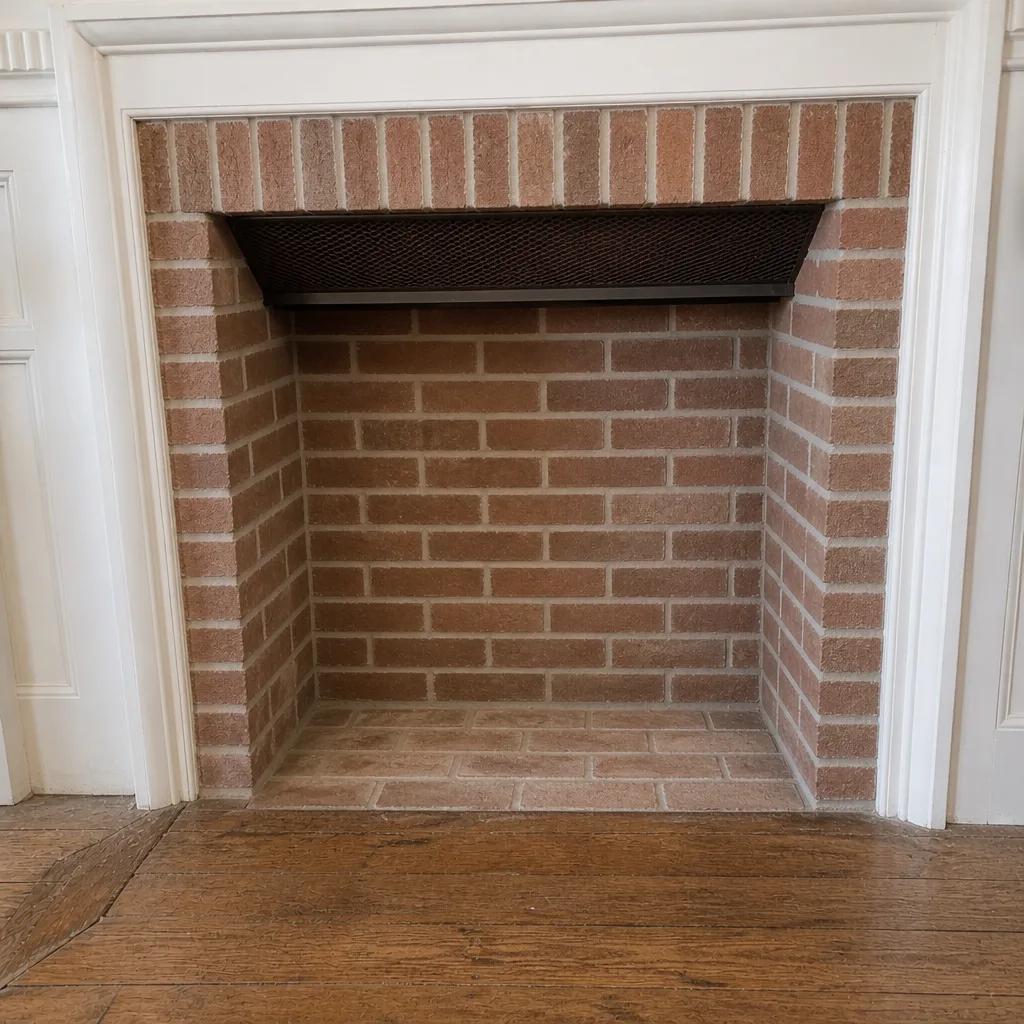
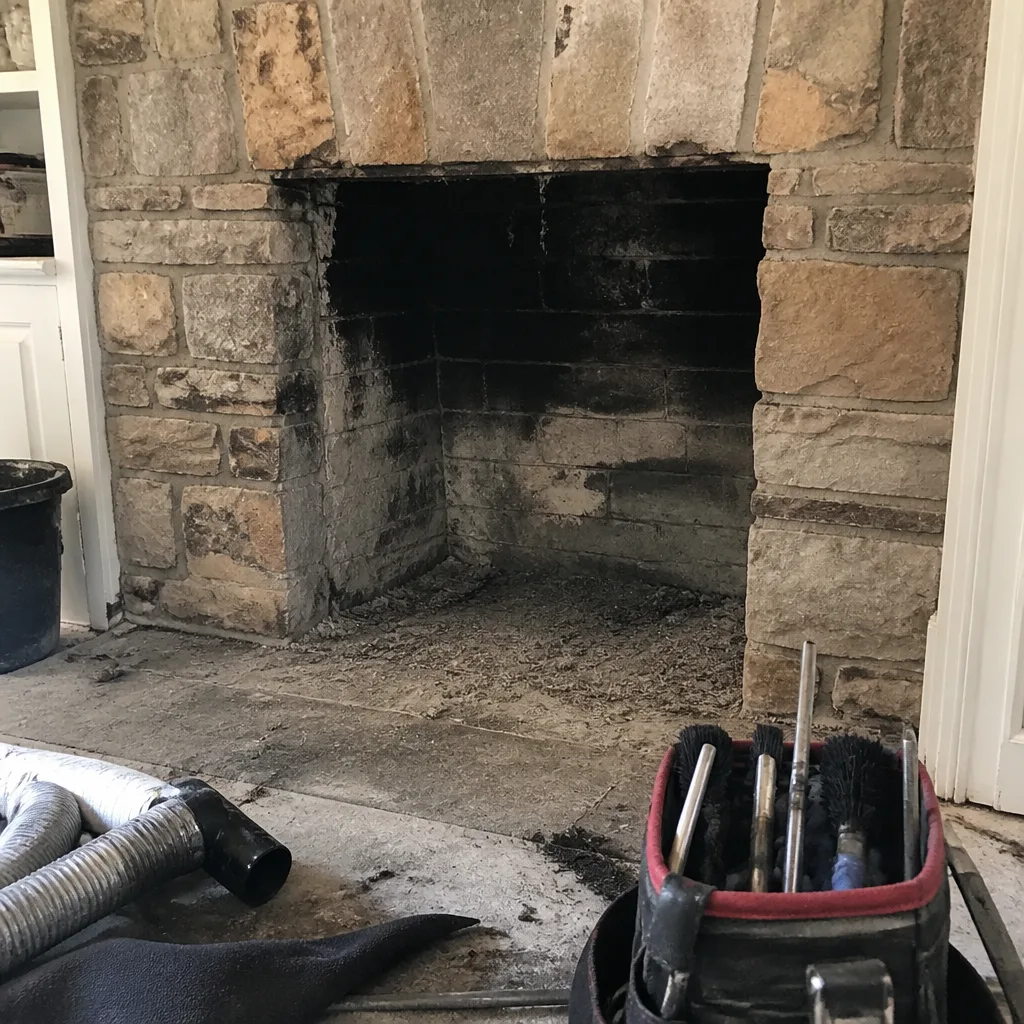
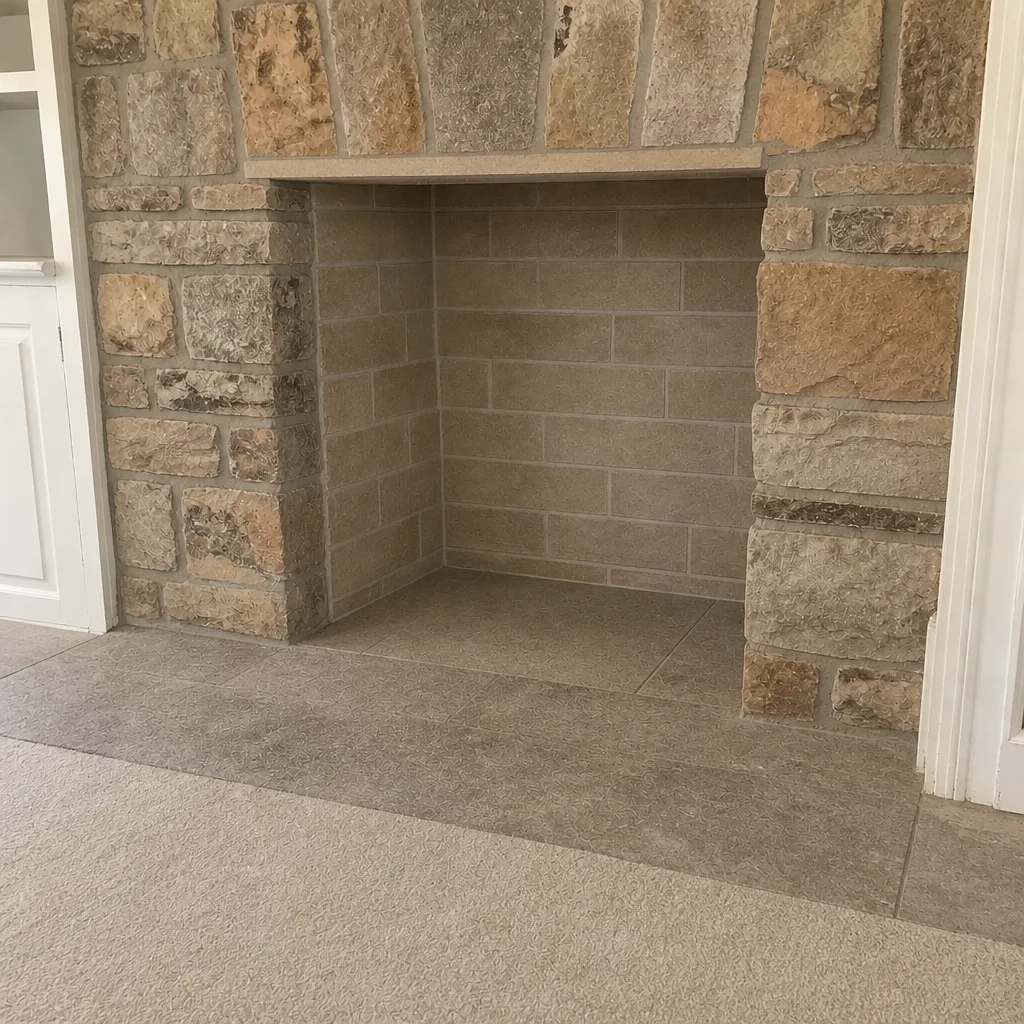
See the difference
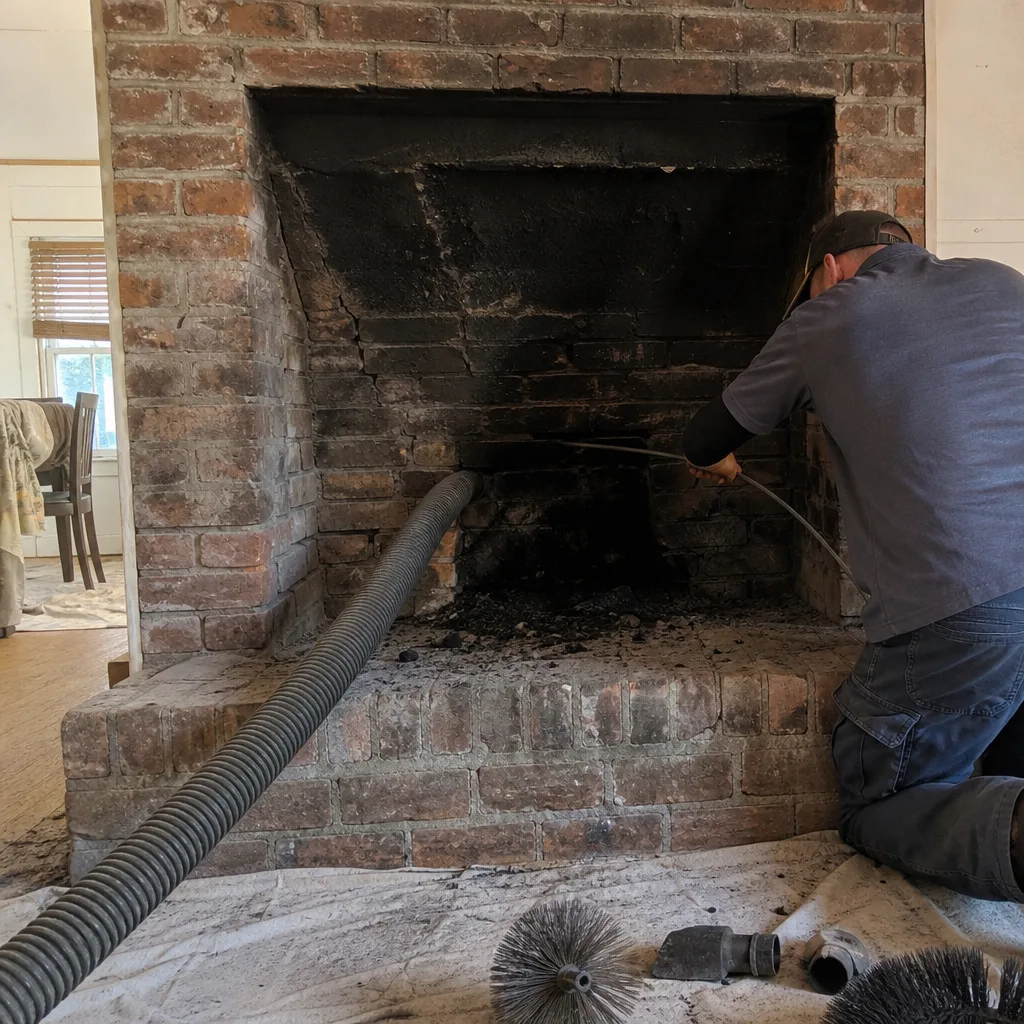 Before
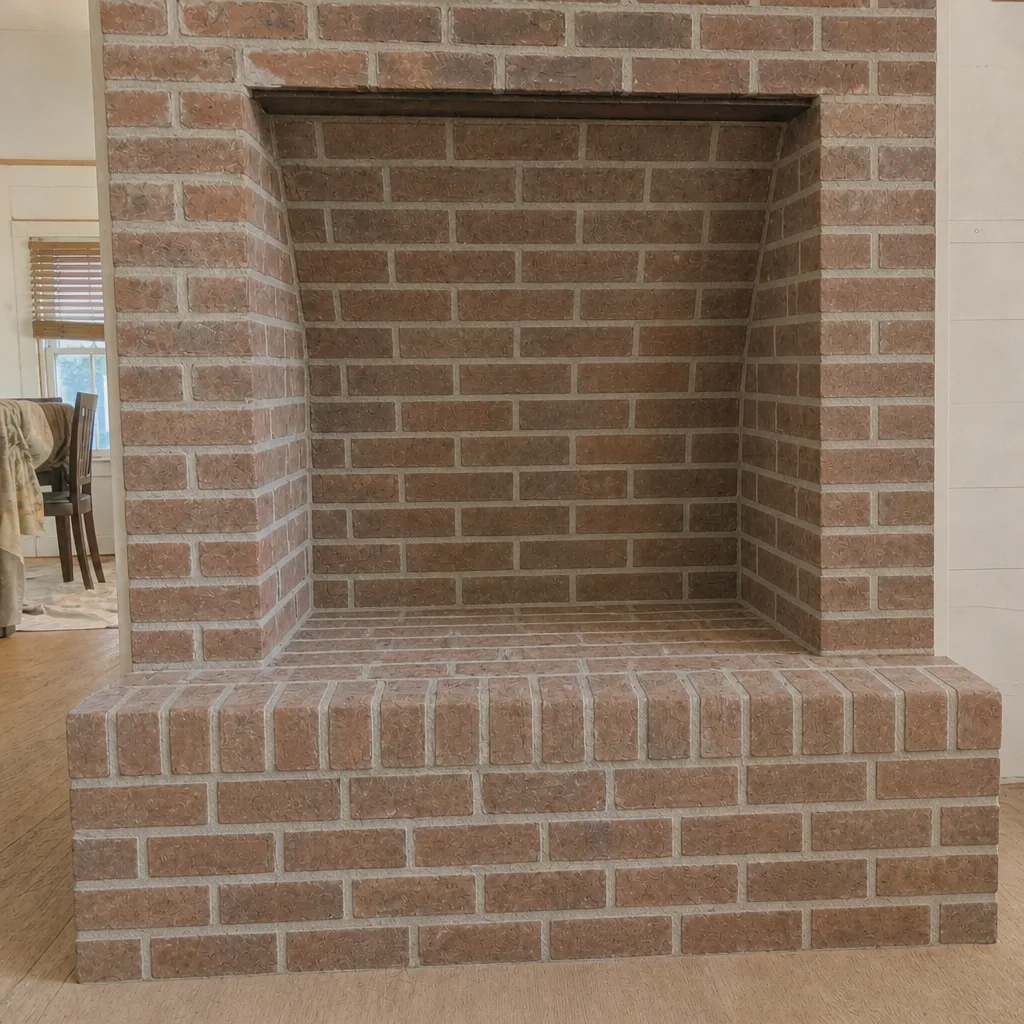 After
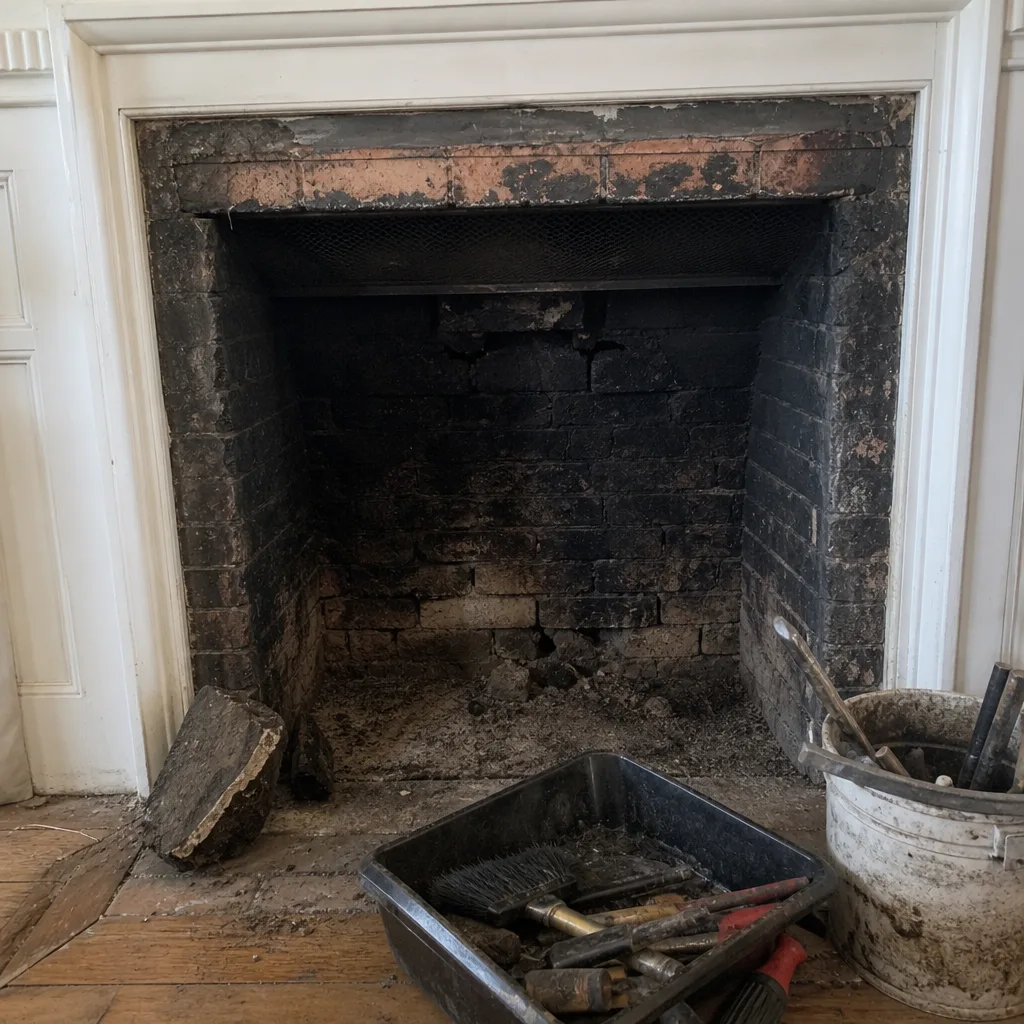 Before
 After
 Before
 After
When to Call a Professional
Call when any of the following shows up: efflorescence or spalling on the exterior brick, rust or a white haze inside the firebox, a musty or acrid smell when nothing is burning, smoke backing into the room, a roaring noise during a fire, or a chimney that hasn’t been swept in a year. Don’t wait for a problem to become obvious. If you’ve been told by an inspector that repairs are needed and aren’t sure where to go next, call us. We handle the sweep, the inspection, and the repair from one call. In our experience, a warning caught early is a sweep and a new cap; caught late, it’s a liner resurfacing. Charleston Chimney Cleaning offers free estimates in Charleston. Call (866) 864-1983. We answer 24/7. Fast dispatch from 7am to 7pm, Sunday through Friday.
Frequently Asked Questions
The earliest signs are usually odor and exterior staining, not smoke. A musty or sharply acrid smell when the fireplace isn’t in use, white efflorescence on the exterior brick, or light rust on the damper all point to moisture or creosote buildup before any performance problem appears. Smoke backing into the room is a late sign, which is why the subtle ones matter more. Call (866) 864-1983 for a free inspection estimate.
A white, chalky haze on the exterior or inside the firebox is efflorescence, meaning water is moving through the masonry and pushing mineral salts to the surface. It is not a cosmetic issue. Left alone, the wet-dry cycle erodes mortar joints and eventually reaches the flue liner. Fix the moisture source first: check the cap, crown, and flashing. Call (866) 864-1983 for a camera inspection so you can see the damage before deciding on repairs.
A new liner is needed when there is proof the existing one is damaged: cracks through the flue tile, spalling with interior corrosion, or glazed creosote that has eaten into the liner. It should never be recommended on a sweep alone. We show you the camera footage, so you can see what we see. If the evidence isn’t there, we tell you the work can wait. Call (866) 864-1983 for a free estimate.
Once a year at minimum, and once per cord of firewood burned. A home that burns a cord a season should get one sweep and one inspection annually. Stoves and inserts often need more. Schedule in the shoulder months before Charleston’s late-fall burning season starts. Call (866) 864-1983. We answer 24/7. Fast dispatch from 7am to 7pm, Sunday through Friday.
Creosote builds up, and a quarter-inch inside the flue is enough fuel for a chimney fire. The moisture cycle also keeps working: water reaches the flue, the tile cracks, and the danger climbs. The cost of a sweep is small against a liner resurfacing or a fire. Call (866) 864-1983 for a free estimate.
Musty and earthy means water is entering, often through a failed cap or crown, and is a schedule-a-sweep situation. Sharp, sour, and acrid means glazed or tar-like creosote has formed, and that one is a stop-and-call situation because it is what fuels a chimney fire. If you’re not sure which you’re smelling, get it checked. Call (866) 864-1983.
The Bottom Line
The warning signs that matter most in Charleston appear quietly: a white stain on the brick, a faint musty smell, a soft rust on the damper. Each points to moisture or creosote getting where it shouldn’t, and each is cheaper to handle now than a season later. The rule of thumb: annual sweep and a free inspection, before burning season, every year. If you see any of the stop-using-it signs, smoke, roaring, or a sharp acrid smell, don’t light another fire until you have an inspection. From sweep to repair, one call covers it. Call (866) 864-1983 for a free estimate. We answer 24/7. Fast dispatch from 7am to 7pm, Sunday through Friday.
To learn more about what else we do, see our Charleston Chimney Cleaning services, our chimney sweep page, and our chimney repair page.
Written by the team at Charleston Chimney Cleaning.