
Last updated November 15, 2026
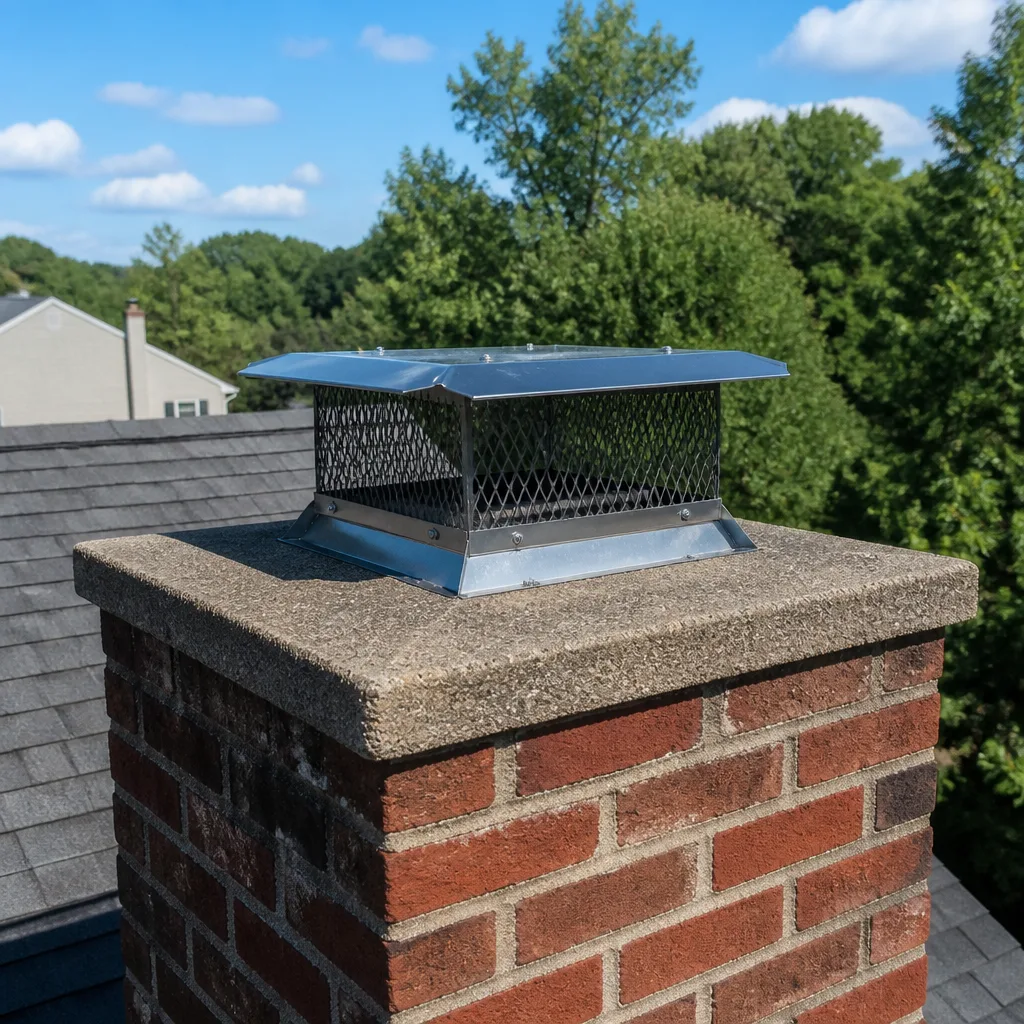 Sweep & inspection
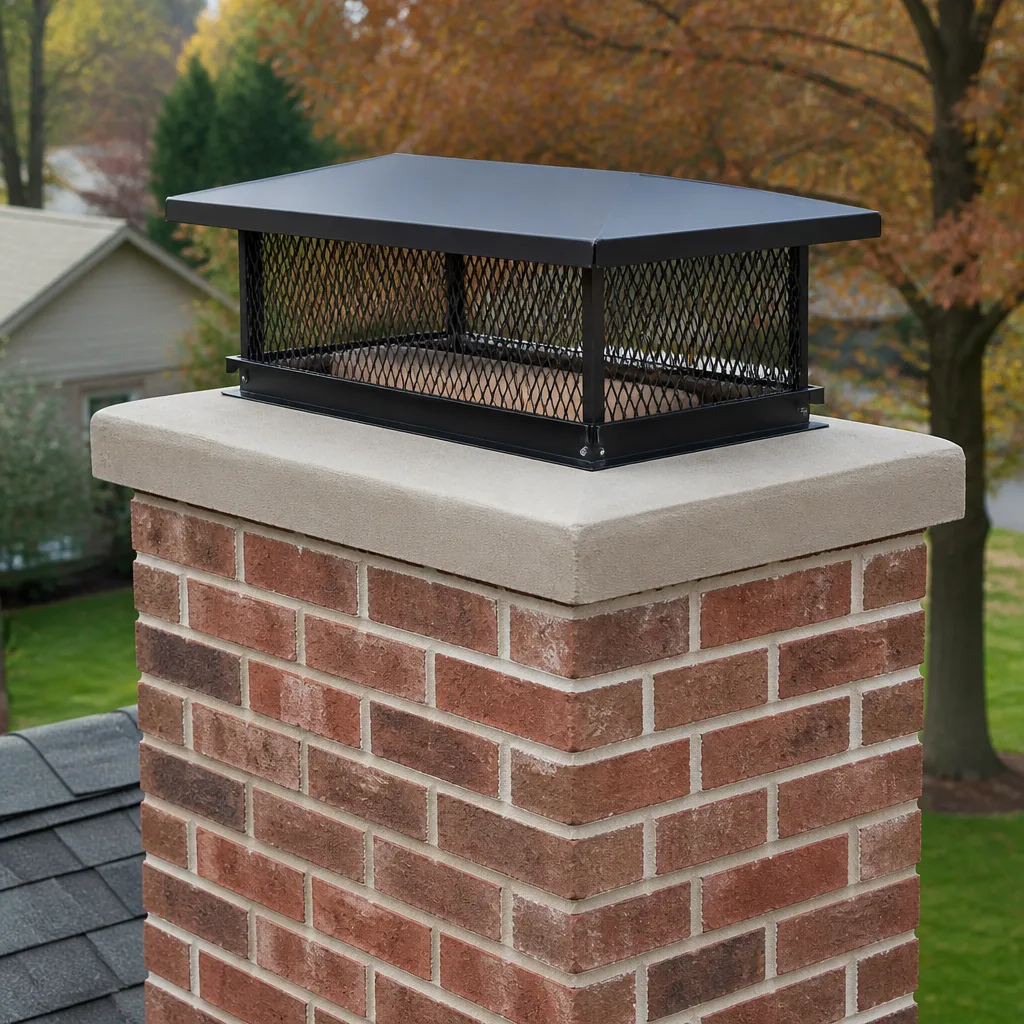 Caps & crowns
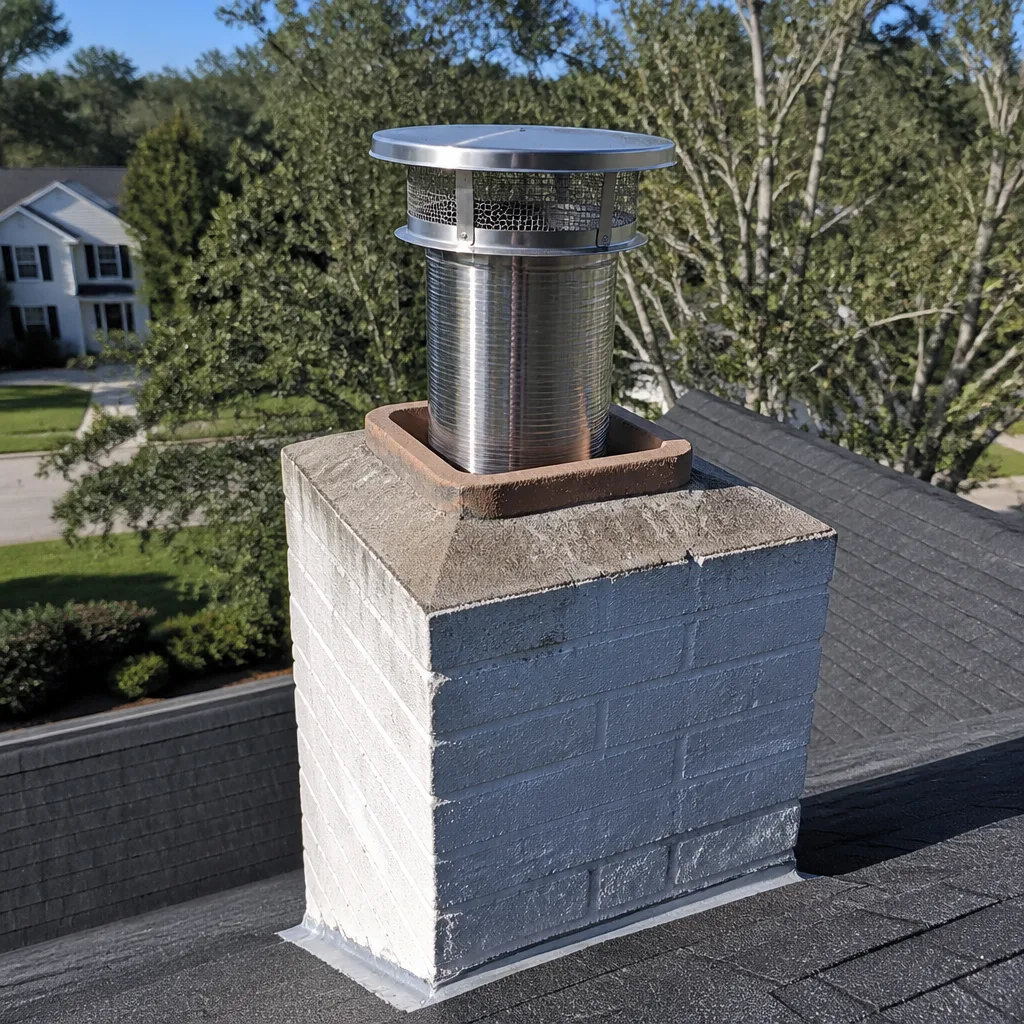 Flue relining
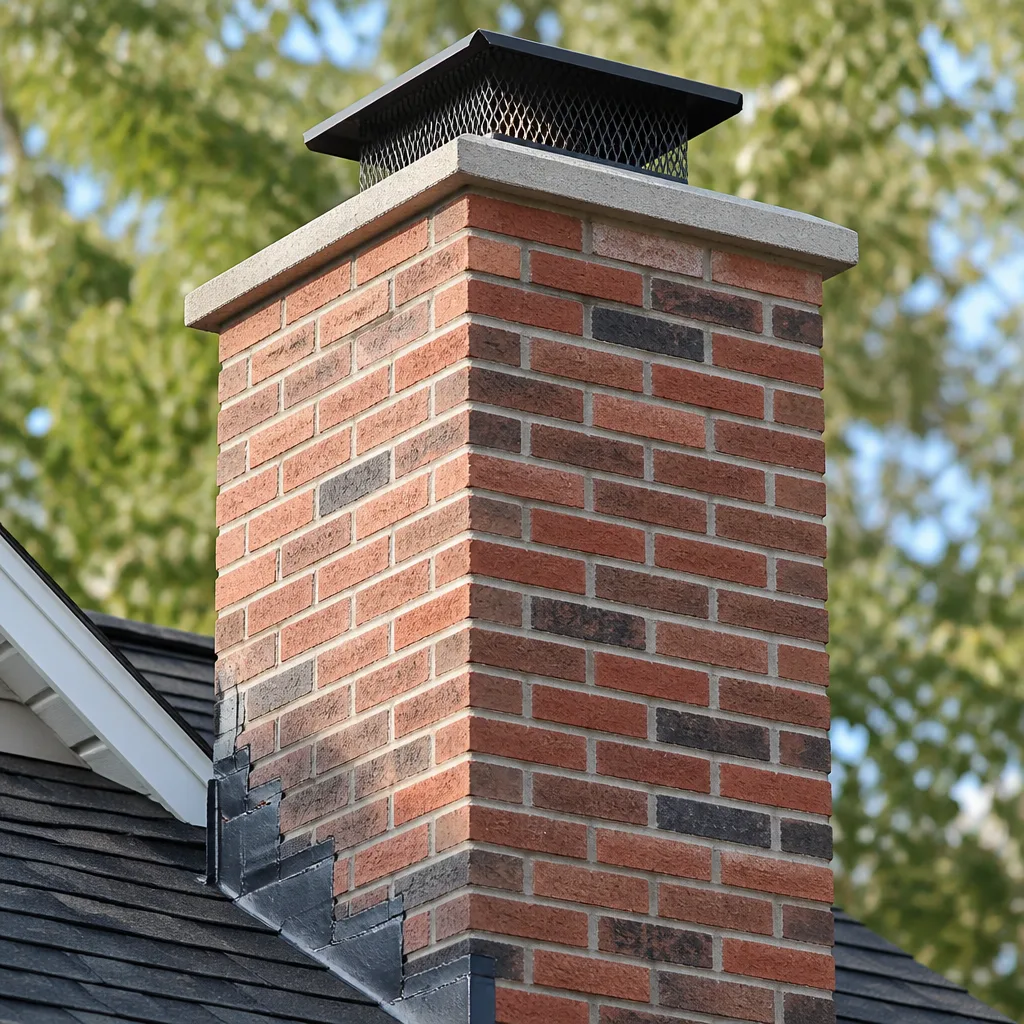 Masonry repair
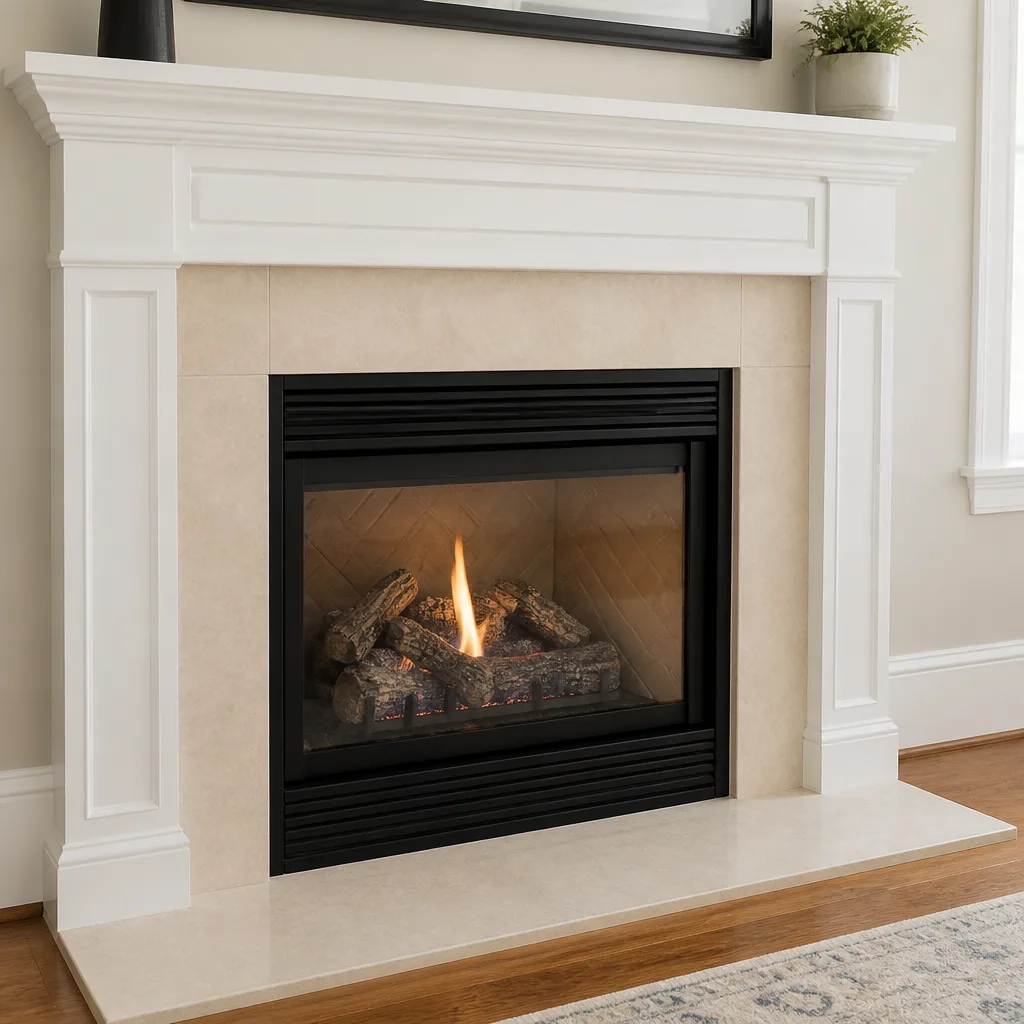 Gas fireplace service
Level 1 sweep and inspection to the NFPA 211 annual standard - flue, crown, cap, and flashing checked and photographed
Chimney sweep logs do not sweep chimneys. They loosen some creosote - which then falls where a brush and vacuum still have to collect it.
Chimney Cleaning Permits, Codes & Inspections in Charleston, SC: What You Need to Know
A chimney relining job done without a permit in Charleston isn’t just an administrative oversight – it can become a disclosed defect that stalls a real estate transaction or complicates a fire insurance claim. Most homeowners assume chimney work never touches the permit office. Sweeping, arguably, doesn’t. But the moment a job moves from cleaning into repair – a new liner, a rebuilt crown, a flue that’s been opened up – you’re usually in permitted territory, and the paperwork matters later. This guide maps exactly where that line sits in Charleston: which services need a permit from the City of Charleston Building Inspection Services, how the South Carolina Residential Building Code treats fireplace and flue repairs, what NFPA 211 means in practice, how the Historic District overlay changes the process, and how to verify that recent chimney work on a home you’re buying was actually inspected.
Quick Answer
In Charleston, routine chimney sweeping does not require a permit, but most chimney repair work – relining, rebuilding a chimney crown or chase, replacing a firebox, or any structural or flue modification – generally does require a permit from the City of Charleston Building Inspection Services and an inspection before the work is closed out. The technical standard inspectors reference is NFPA 211, and homes inside Charleston’s Historic District overlay usually need additional review before exterior chimney changes are approved. Always confirm current requirements with the city’s building department for your specific address, since rules and review thresholds can change.
Styles & brands we work with
- Sweep & inspection
- Caps & crowns
- Flue relining
- Masonry repair
- Gas fireplace service
Table of Contents
- Which chimney services in Charleston need a permit, and which don’t
- How the South Carolina Residential Building Code applies to fireplaces and flues
- NFPA 211: the standard inspectors actually reference
- Historic District overlay rules for chimney work in Charleston
- How to verify a permit was pulled and inspected before you close
- The three levels of chimney inspection and when each applies
- How to check that your chimney contractor knows the code
- What this means for existing homeowners
Which chimney services in Charleston need a permit, and which don’t?
Sweeping is maintenance; repairs are construction. That’s the simplest way to think about it, and it’s the line that most Charleston homeowners run into when they call us after a home inspection flags something. A standard chimney sweep – brushing and vacuuming the flue, removing creosote and soot, checking the cap and damper – is a cleaning service. No permit. No inspection by the city. A Level 1 inspection done as part of the sweep is likewise a visual assessment, not construction.
Repairs are where it changes. In Charleston, the following work generally triggers a permit from the City of Charleston Building Inspection Services:
- Installing a new chimney liner, whether stainless, cast-in-place, or a resurfacing system
- Rebuilding a chimney crown, chase, or any part of the masonry stack above the roofline
- Replacing or rebuilding a firebox or the smoke chamber
- Any change to the flue’s size, shape, or route
- Installing a new wood stove, fireplace insert, or heating appliance vented through the chimney
- Structural repairs to the chimney foundation or the framing that supports the chimney
What usually does not need a permit: sweeping, cap replacement when it’s a like-for-like swap on an existing chase, damper repair, and routine crown sealing when it’s a coating rather than a rebuild. Those are maintenance items. If a repair is somewhere in between – say, a partial crown rebuild on an older home – the safe move is to call the city and ask, because the answer depends on scope. We always recommend calling Charleston’s building department directly for a specific address rather than guessing from a website.
What many homeowners miss is that the permit isn’t just paperwork for the contractor. It creates a public record that the work was inspected by a third party. When you sell a home in Charleston, that record is what a buyer’s title company and their insurer will want to see. A reline done without one is, functionally, an unverified repair.
How does the South Carolina Residential Building Code apply to fireplaces and flues?
South Carolina’s residential code is based on the International Residential Code, and the fireplace and chimney provisions in that code are specific. They cover clearances to combustibles, chimney height above the roof, the thickness of masonry walls, the requirement for a flue liner, hearth extension dimensions, and how the chimney must be capped. Building inspectors in Charleston check these provisions during a permitted chimney repair, and they reference the code edition currently adopted by the state.
In practice, that means a few things for Charleston homeowners:
- A flue liner is required. If you have an older Charleston home – and there are plenty of pre-war houses around the peninsula, in Wagener Terrace, and in North Central – there’s a fair chance the original chimney was built without a proper liner or has a clay tile liner that’s cracked. A permitted reline brings the chimney into compliance with the current code. An unpermitted one might fix the immediate drafting problem but leave the chimney legally out of compliance.
- Clearances to combustibles matter. A wood-framed chase enclosing a metal flue is common in newer construction, and the clearances between the flue and the framing are specified in the code. Altering that assembly – even “just” to add insulation – can violate those clearances.
- Chimney height above the roof is codified. The 3-foot-2-foot-10-foot rule (10 feet from the roofline, 2 feet above any roof surface within 10 feet, 3 feet above the point where it penetrates the roof) comes from the code and NFPA 211. If a chimney is short, it doesn’t draft properly, and the fix is often a permitted extension.
One local wrinkle: Charleston’s humid summers and mild winters mean masonry chimneys here go through repeated wet-dry cycles, and the brick and mortar joints move. Code provisions for masonry thickness and crown slope exist because of exactly this kind of weathering. A crown that was built flat and poorly sloped will hold water and fail faster. When you’re repairing, it’s worth doing right the first time so you’re not paying for a rebuild in another decade.
NFPA 211: the standard inspectors actually reference
NFPA 211 is the National Fire Protection Association’s standard for chimneys, fireplaces, vents, and solid fuel-burning appliances. It’s the technical reference that chimney inspectors, code officials, and insurance adjusters turn to when they need to determine whether a chimney is safe and compliant. The building code tells you what’s legally required in a new or repaired chimney. NFPA 211 tells you how to evaluate an existing one – whether that liner is sound, whether the clearances are adequate, whether the chimney needs a Level 2 or Level 3 inspection based on what’s been found or what’s happened.
Three things from NFPA 211 come up constantly in Charleston:
- The inspection levels. NFPA 211 defines the three levels of chimney inspection (Level 1, 2, and 3) that the trade uses to scope an assessment. A Level 1 is a visual check of accessible parts during a routine sweep. A Level 2 adds a video scan of the flue and is required when a property changes hands, when an appliance is replaced, or after a chimney fire. A Level 3 opens concealed areas and is typically only needed after a significant event.
- The condition-of-liner standard. NFPA 211 spells out what “sound” means for a flue liner – no cracks, no gaps, no spalling that exposes the masonry behind it. This is the language insurance adjusters use when deciding whether a chimney fire claim is covered.
- Clearance and venting requirements for appliances. If a wood stove or insert was installed without following NFPA 211’s venting rules, the installation can be both unsafe and, in many cases, non-compliant with the code adopted by South Carolina.
When you hire a chimney company in Charleston, one of the simplest ways to check whether they know their trade is to ask them which NFPA standard they inspect to. A contractor who works to NFPA 211 will tell you so without hesitation. A general handyman who “does chimneys on the side” usually can’t tell you what NFPA 211 is. The Charleston Chimney Cleaning team works to NFPA 211 on every inspection, and we reference it in the written report so you can see what standard is being applied.
Historic District overlay rules for chimney work in Charleston
Charleston has one of the largest locally protected historic districts in the country, administered by the Board of Architectural Review. If your home sits inside that overlay – and a meaningful share of older homes on the peninsula do – work on the exterior of a chimney is treated differently from work on a chimney in Mount Pleasant or West Ashley. The Board of Architectural Review reviews exterior changes to structures in the historic district, and that review usually comes before a building permit is issued, not after.
In practical terms:
- Rebuilding a chimney above the roofline in the historic district typically requires both a building permit and BAR review, because the visible masonry is part of the structure’s character.
- Cap styles matter. A modern stainless multiflue cap on a historic chimney may be fine functionally but can raise a color-and-material question with the BAR depending on the street and the building’s designation. Single-flue caps and copper caps are common outcomes – the Copperfield product line includes styles that read well on older homes without looking industrial.
- Chimney removal is treated very seriously. Removing a chimney that’s visible from the public way is generally not something the BAR will approve without a compelling structural reason.
- Interior relining – a cast-in-place system like HeatShield or a flexible stainless liner – is usually just a building permit matter, since the interior flue isn’t part of the historic streetscape. This is one reason interior relining is often the faster route for older homes inside the district.
If you’re not sure whether your address falls inside the overlay, the city’s planning office can confirm it in a couple of minutes. Knowing that answer before you scope a repair saves a round of plan review later.
How to verify a permit was pulled and inspected before you close on a home
This is the step most buyers skip and later regret. If you’re buying a home in Charleston and the listing mentions “chimney recently relined” or “new liner installed last year,” that work is only as good as its documentation. Here’s how to check, in order:
- Ask for the permit number. A legitimate contractor gets a permit number from the City of Charleston Building Inspection Services before the work starts. If the seller or their agent can’t produce one, the work may have been done without one.
- Pull the permit history yourself. The city’s online permit portal lets you search by address. You’re looking for a closed-out permit that matches the described work, with an inspection result of “passed” or similar language.
- Request the inspection report. A permitted job includes an inspector’s sign-off. If you can’t see the inspection findings, you don’t know what was actually verified.
- Get a Level 2 inspection from a chimney professional. This is independent of the city permit record and covers what the inspector sees inside the flue via a camera. It’s the only way to know whether the liner that was installed is sound today, regardless of whether it passed inspection six months ago.
- Flag undisclosed unpermitted work in your offer. Your real estate attorney can add a contingency that the seller produces documentation, or credits the estimated cost of bringing the work into compliance. Unpermitted chimney work that surfaces in a title search or during buyer’s due diligence is a known transaction killer.
For a homeowner who is insurance-motivated rather than sale-motivated, the same principle applies. If your insurer asks for documentation of a chimney repair when you file a claim, a permitted repair with a passed inspection is the difference between a covered claim and a fight. This is why we tell Charleston homeowners to treat the permit as part of the job, not an optional add-on.
The three levels of chimney inspection and when each applies
NFPA 211 defines three inspection levels. Knowing which one your situation calls for is the difference between getting a useful answer and paying for either too little or too much.
Level 1 – visual inspection. This is what’s typically bundled with a Charleston sweep. The technician visually checks the accessible parts of the chimney – firebox, damper, smoke chamber as visible, flue from the top, cap, and exterior. It’s appropriate when the appliance hasn’t changed, the property hasn’t changed hands, and there’s no known problem. It’s also the most common inspection and the cheapest.
Level 2 – visual plus video scan. This is the standard inspection for a real estate transaction, after a chimney fire, after an appliance change, or when the property has had an earthquake or severe weather event. A camera is run through the flue to look for cracks, gaps, and obstructions that can’t be seen from the ground or the firebox. If you’re buying a home in Charleston with any recent chimney work, ask for a Level 2.
Level 3 – investigation of concealed areas. This is the deep dive – opening walls, removing masonry, or dismantling parts of the chimney – that’s only warranted when a Level 1 or Level 2 has found a serious concern and the fix depends on seeing something that’s currently hidden. Level 3 inspections are rare, expensive, and almost always tied to a specific structural or fire-damage question.
Each level produces a written report. On any of our inspections, the report includes a photo record so you can see what we saw. That’s useful for the permit file, for your insurance company, and for the next buyer down the road.
How do you check that your chimney contractor knows the code?
A chimney contractor who knows the residential code and NFPA 211 will answer these questions cleanly. A contractor who doesn’t will wave at the chimney and tell you it looks fine.
- “Will this work require a permit, and will you pull it?” A chimney repair that needs a permit should be pulled by the contractor in their name, not left to the homeowner. If the answer is “you don’t need a permit for that,” ask them to put it in writing.
- “Which NFPA standard do you inspect to?” The answer should be NFPA 211. If they don’t recognize the number, that’s your answer.
- “Do you have a SC contractor license for this scope?” Ask to see the license number and the scope it covers. South Carolina licenses contractors by trade, and chimney work spans more than one category – masonry, general, and sometimes mechanical. A chimney contractor who can explain their licensing clearly is a chimney contractor you can trust to file the paperwork correctly.
- “What brand of liner system do you use, and why?” Professional-grade components matter. We work with DuraFlex, HeatShield, and Olympia Chimney on the liner side, and with Gelco and Copperfield on caps and top-of-chimney hardware – brands specified on permitted work precisely because inspectors and adjusters recognize them. These aren’t hardware-store substitutes.
- “What does your inspection report include?” Ask to see a sample. Photos, dimensions, the standard applied, and a clear separation between what needs to be done now versus what can safely wait. Any contractor who won’t show you what they’ll hand you is telling you something.
- “Can you do the repair yourself, or do I need to find another contractor?” Full-cycle care – inspection, sweeping, and chimney repair – means the person who diagnoses the problem is the person who fixes it. That single-source accountability matters when a permitted repair needs a follow-up inspection: one company, one call.
Our technicians have up to experience, and the questions above reflect what that work has taught us about where permitted work tends to get cut short. If a contractor can’t answer all six, they’re not the contractor for a permitted repair.
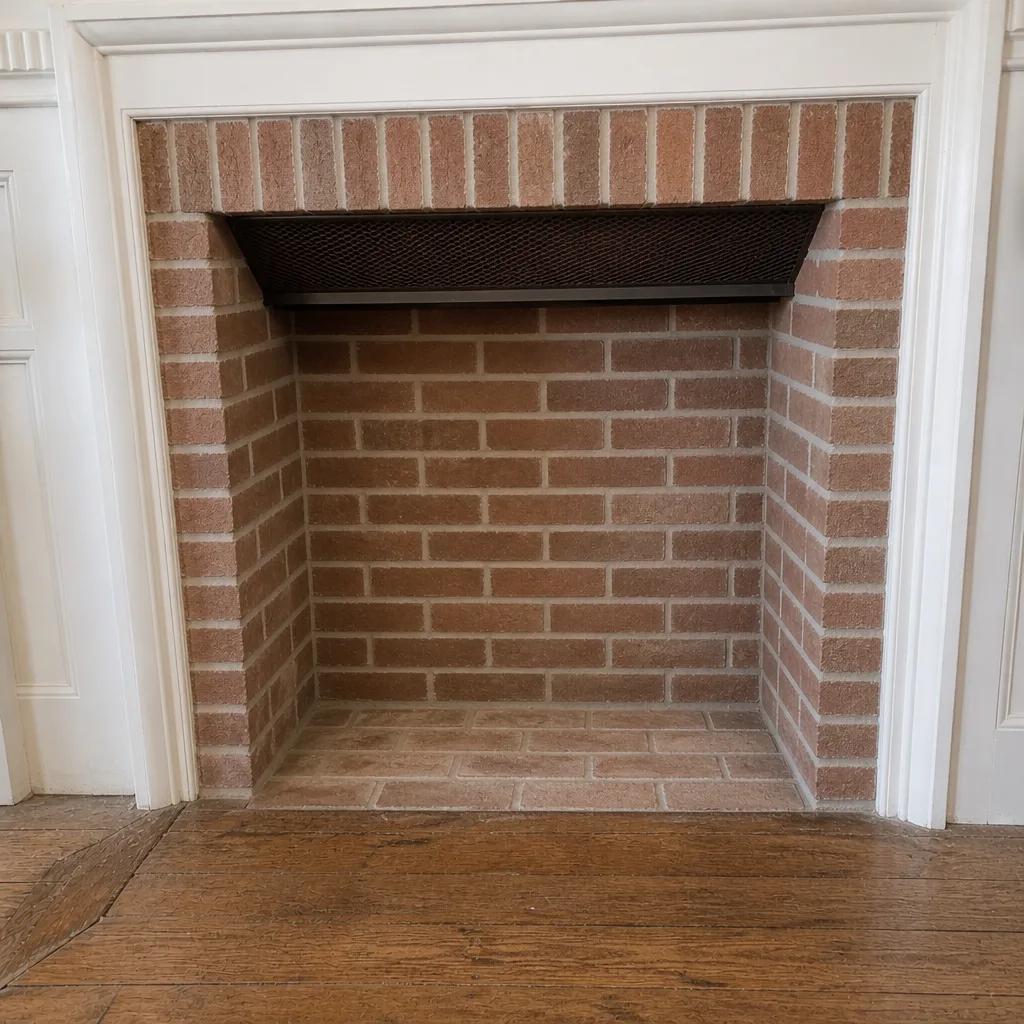
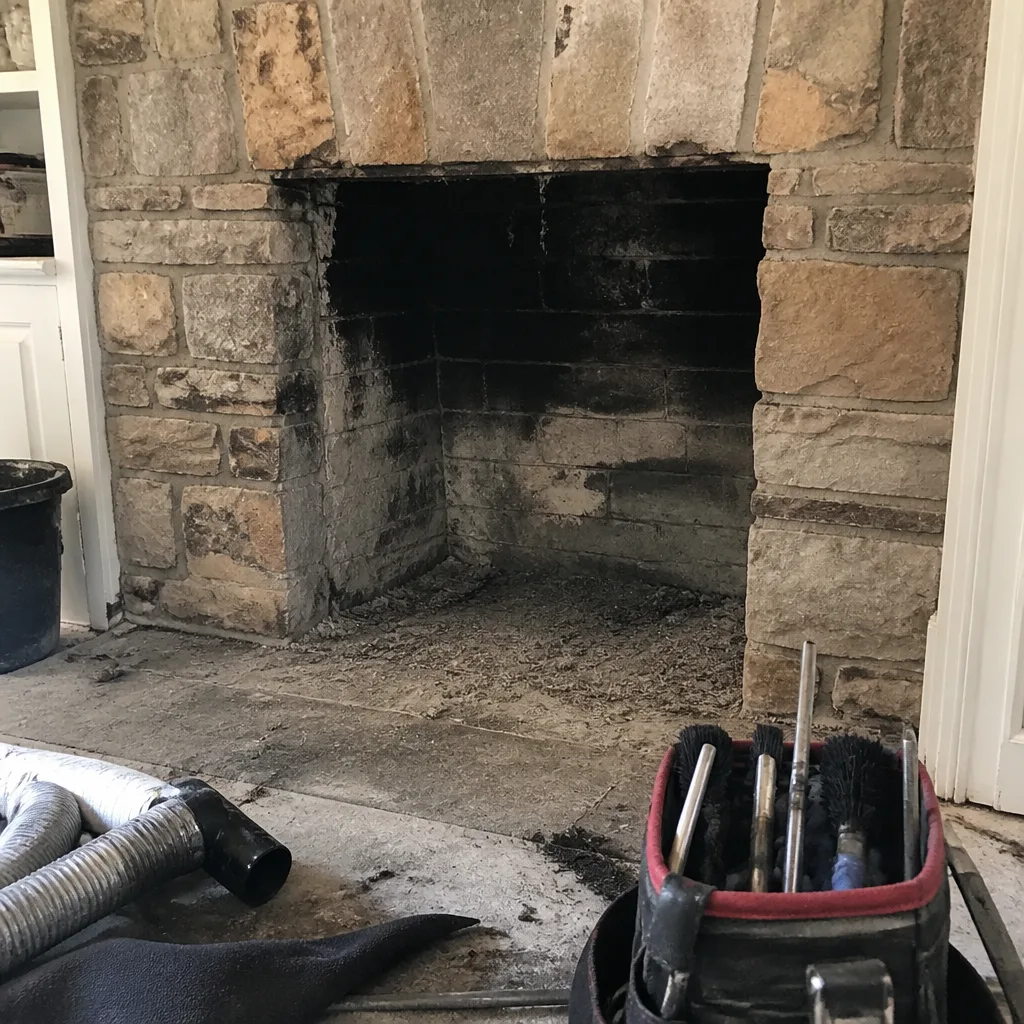
See the difference
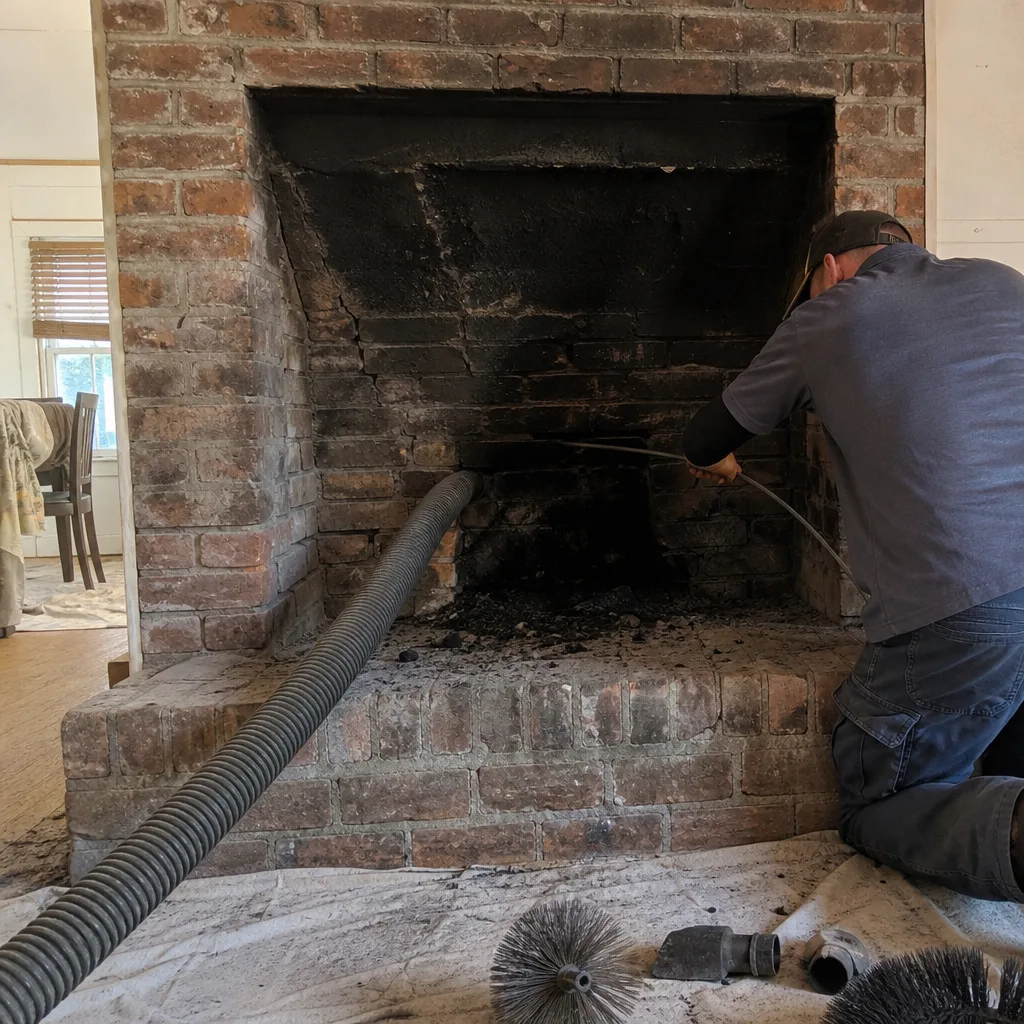 Before
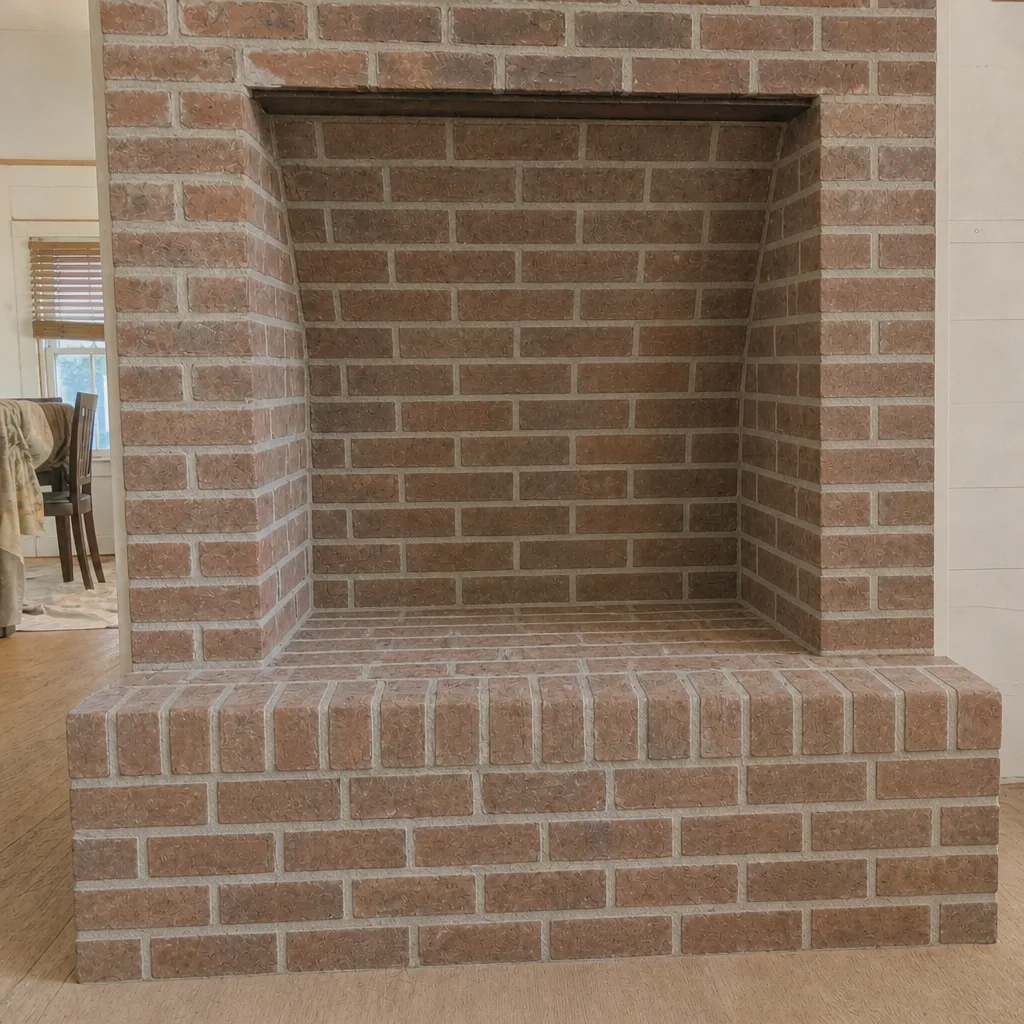 After
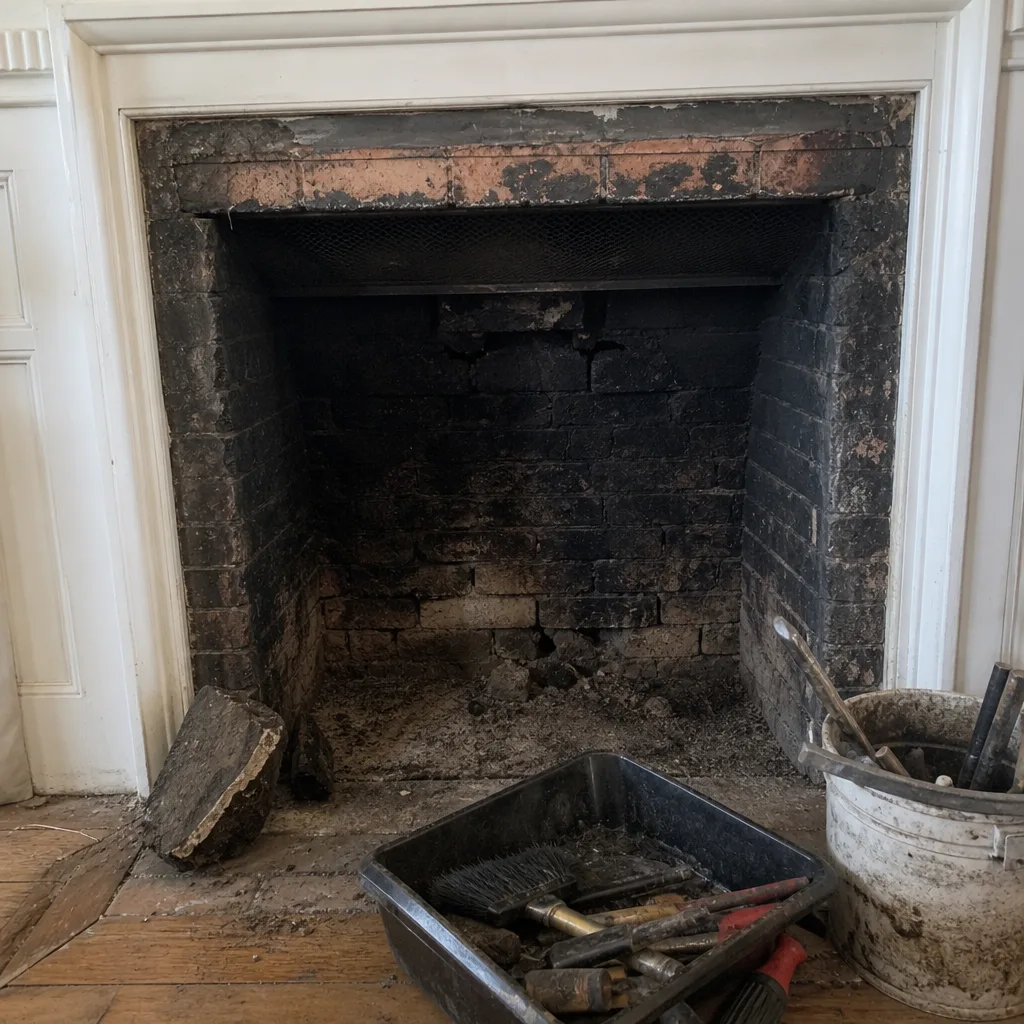 Before
 After
 Before
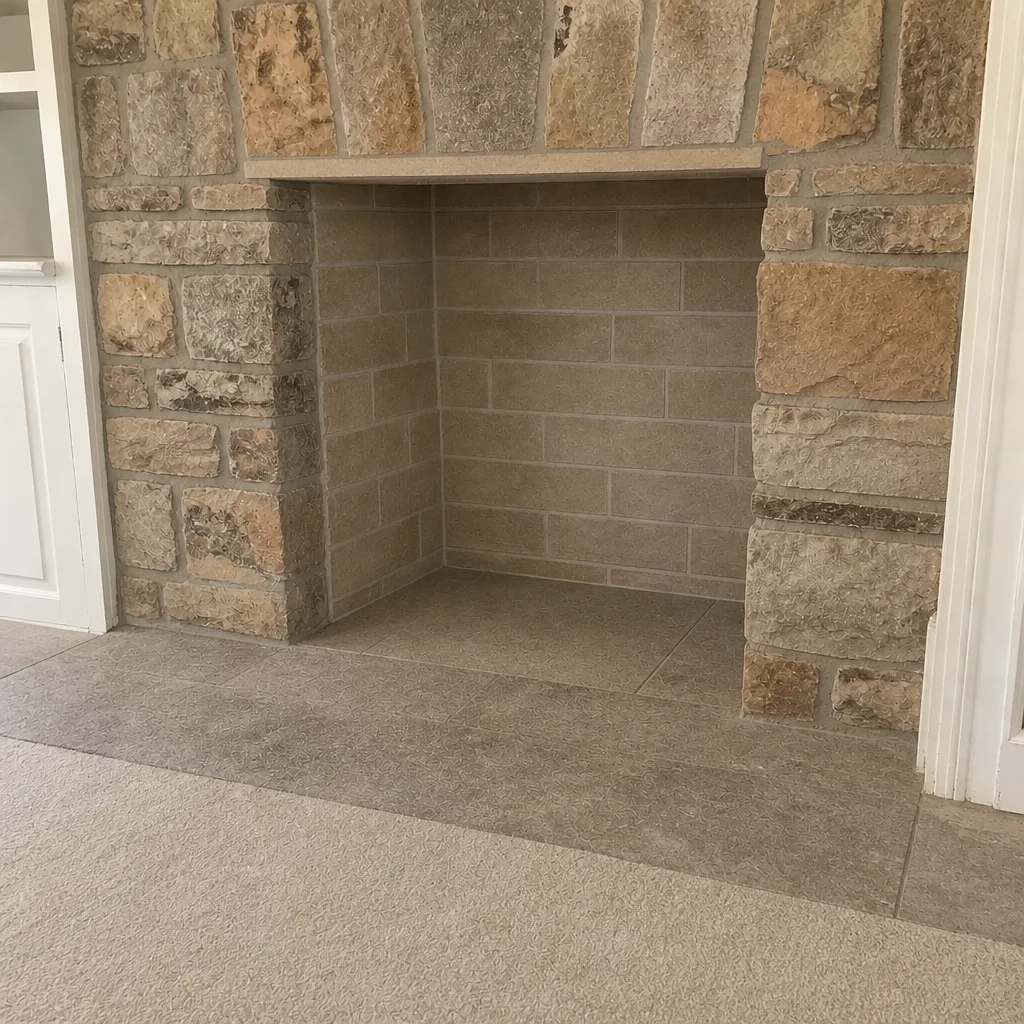 After
Common Mistakes to Avoid
- Assuming sweeping and repair live in the same category. Sweeping is maintenance; repairs are construction. Treating them as interchangeable is the single most common reason Charleston homeowners end up with unpermitted chimney work.
- Letting the contractor “handle it” without asking for the permit number. A contractor who says they’ll “take care of it” but won’t give you a permit number is likely not filing one. Get the number in writing before work starts.
- Buying a home with a recent reline and not pulling the permit record. The listing photo of a shiny new cap tells you nothing about whether the liner behind it was inspected. The permit portal will.
- Skipping a Level 2 inspection after a chimney fire. A chimney fire can crack a tile liner invisibly. NFPA 211 treats a fire as a trigger for Level 2 inspection for a reason, and going back to burning without one leaves a safety question unanswered.
- Scoping a repair without checking the Historic District overlay first. On the peninsula, work that would be routine in West Ashley can need BAR review before it starts. Checking first saves weeks.
- Ordering off-brand hardware online and asking a sweep to install it. Caps and liners specified for permitted work are typically pro-grade components that inspectors and adjusters recognize. Installing a retail substitute can create a code and insurance problem that costs more to fix than the branded part.
- Waiting until the sale to document anything. Chimney records are much harder to reconstruct after the fact. If you had a reline done in Charleston, keep the permit number and inspection report in your home file.
When to Call a Professional
Call a professional – not a general handyman – when you find cracks or gaps in the flue liner, when the chimney has had a fire, when the crown or masonry is spalling, when a wood stove or insert was installed by someone else and you have no documentation, when an inspection during a home purchase turns up a concern you don’t understand, or when your insurer asks for documentation on recent chimney work and you don’t have it. Also call if the chimney hasn’t been swept in over a year of regular burning, or if you can smell smoke in the house when the fireplace isn’t lit – both are signs worth an inspection. Charleston Chimney Cleaning offers free estimates in Charleston – call (866) 864-1983 to book a sweep, an inspection, or a repair assessment.
Frequently Asked Questions
No. Routine chimney sweeping is a cleaning service and doesn’t require a permit in Charleston. Repairs do – most relining, rebuilding, and modifications to the flue or firebox generally require a permit from the City of Charleston Building Inspection Services, and the work gets inspected before the permit is closed out. Call (866) 864-1983 for an exact quote on the work you’re considering – estimates are free.
A standard chimney sweep in Charleston is typically quoted per job after the technician sees the chimney, and the written estimate is what sets the final price. Repair and relining work is scoped separately, since permitted repairs vary a lot depending on the liner system and the condition of the masonry. There’s no service-call fee to come out and quote. Call (866) 864-1983 for an exact quote – estimates are free.
It becomes an undisclosed defect if you sell, and it can complicate an insurance claim if a chimney fire happens later. Most buyers’ due diligence will eventually surface the work during a Level 2 inspection or a permit search, and at that point the seller is usually the one paying to make it right. The permit itself is cheap compared with the cost of dealing with an unpermitted repair at closing. Call (866) 864-1983 if you need documentation on work you’re unsure about – estimates are free.
A Level 2 inspection, which adds a video scan of the flue to the visual check, is the standard for a real estate transaction under NFPA 211. A Level 1 sweep inspection is fine for routine maintenance on a home you own and live in. Level 3 is only warranted when a Level 1 or Level 2 has found something serious that requires opening concealed areas to investigate. Call (866) 864-1983 to schedule a Level 2 – estimates are free.
Yes, if your home is inside Charleston’s Historic District overlay. Exterior chimney changes – rebuilding above the roofline, replacing a cap with a different style, or altering the visible masonry – usually need both a building permit and review by the Board of Architectural Review. Interior relining is generally just a building permit matter. The city planning office can confirm whether your address is in the overlay before you scope the job. Call (866) 864-1983 if you want help understanding which category your repair falls into – estimates are free.
Permit review timing varies by scope and by whether BAR review is involved, so no honest contractor will quote you a timeline before they see the job. The repair itself – a reline, say – is often completed in a day once the permit is in hand, while masonry rebuilds take longer. What matters is that the permit is pulled before work starts and the inspection is done before the contractor is paid. Call (866) 864-1983 for an exact quote and a scope conversation – estimates are free.
The Bottom Line
Sweeping is maintenance. Repairs are construction. In Charleston, that distinction is the difference between a chimney that’s just been cleaned and a chimney whose work has been inspected and documented. Most repair work beyond sweeping generally requires a permit from the City of Charleston Building Inspection Services, and the technical standard inspectors reference is NFPA 211. Homes inside the Historic District overlay add a review step. On a home purchase, verifying the permit record and getting a Level 2 inspection is the only reliable way to know what was actually done. The cost of doing a chimney repair right, with a permit and a documented inspection, is small compared with the cost of discovering a shortcut at closing or during a claim. If you’re not sure which category your chimney falls into, ask. Getting that answer early makes every later step easier.
If you’d like a professional assessment of your chimney – and a straight answer on whether the work you’re facing is permitted, whether it can wait, and what it’ll involve – we’re glad to help. We work with industry-trusted brands properly installed, from HeatShield and DuraFlex on the liner side to Gelco and Copperfield on the caps and top-of-chimney hardware. We inspect it, we fix it, and you get one company to deal with from the first sweep to the final inspection.
Call (866) 864-1983 for a free estimate. We answer 24/7. Fast dispatch from 7am to 7pm, Sunday through Friday.
Written by the team at Charleston Chimney Cleaning.