
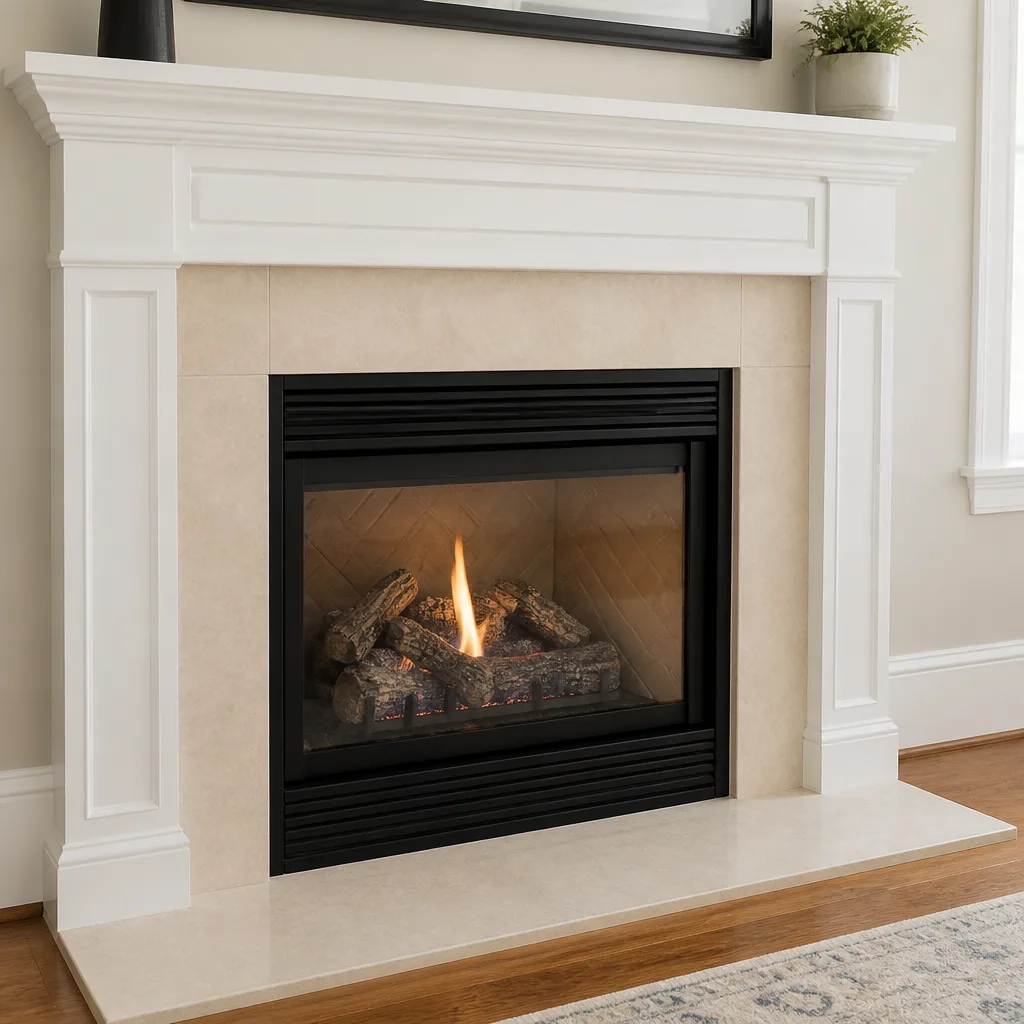
 Gas fireplace service
 Sweep & inspection
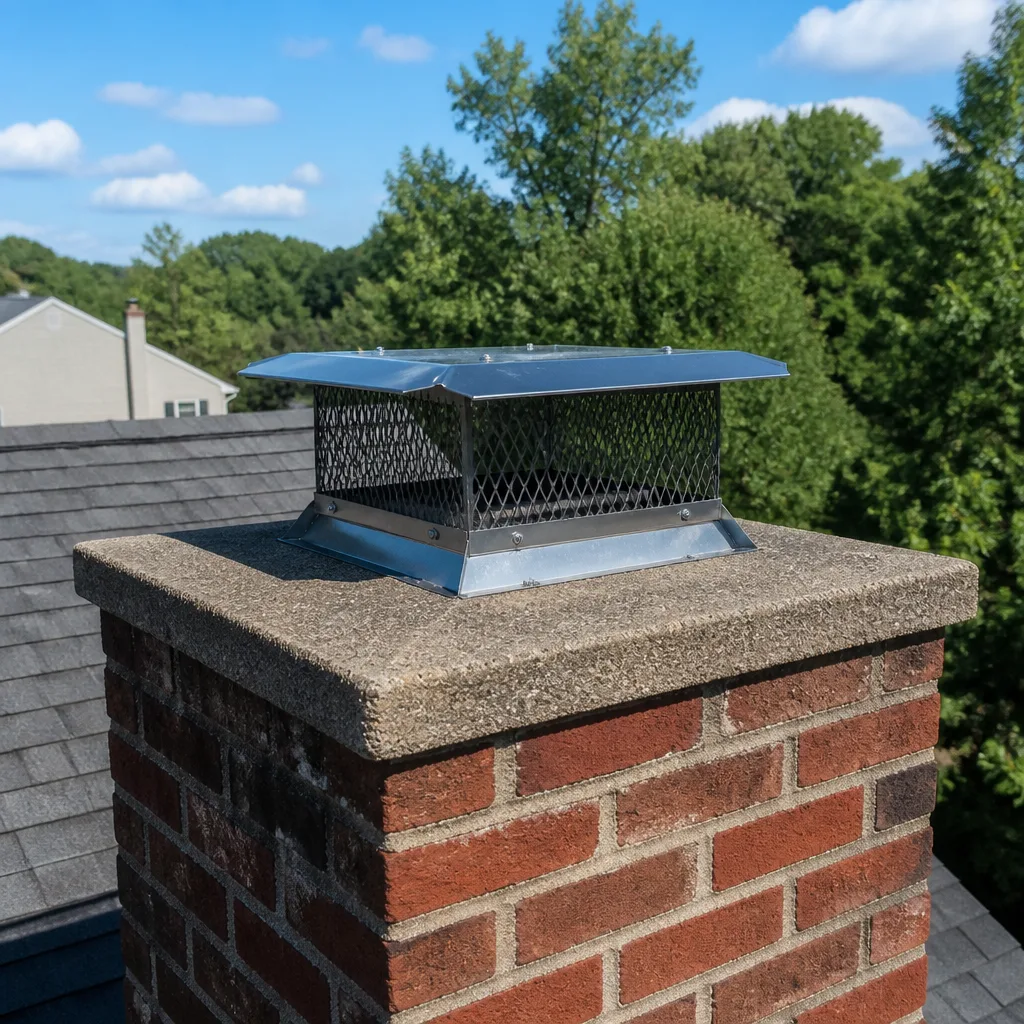
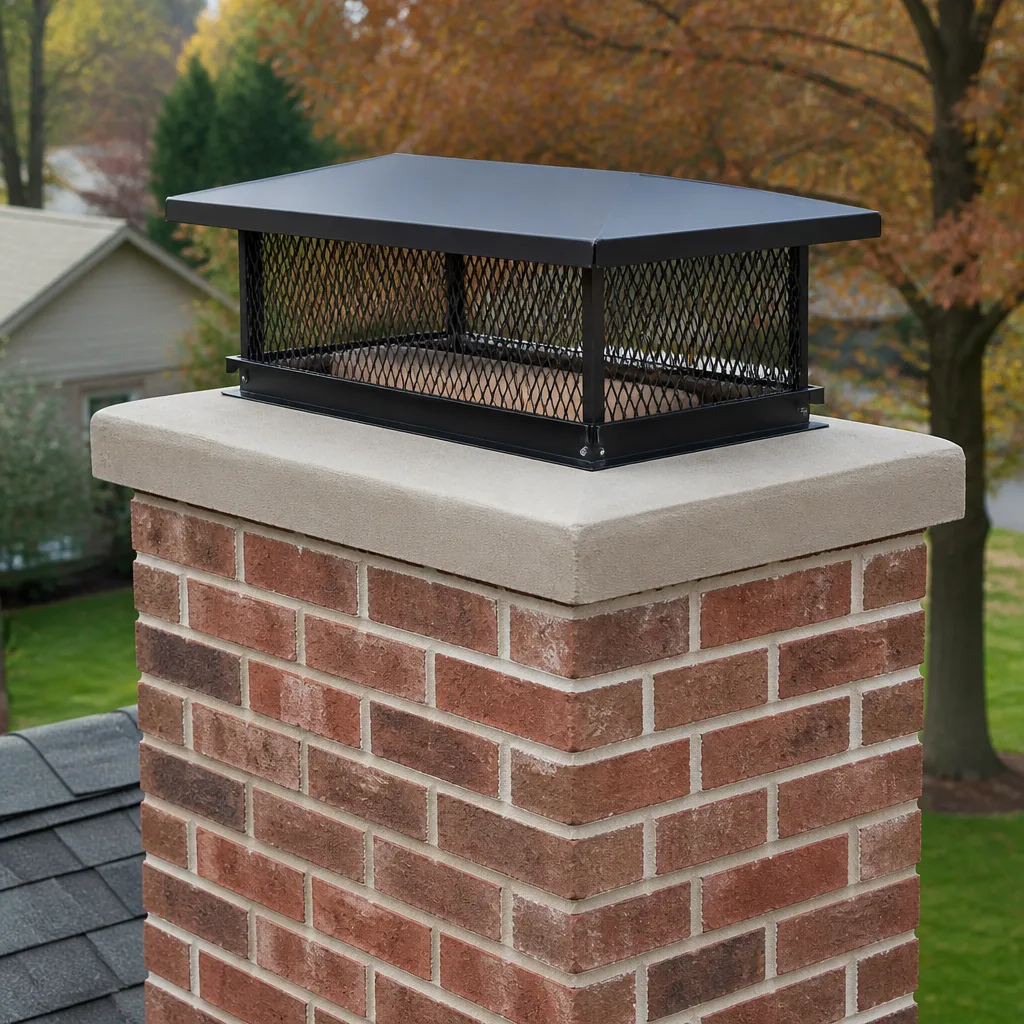 Caps & crowns
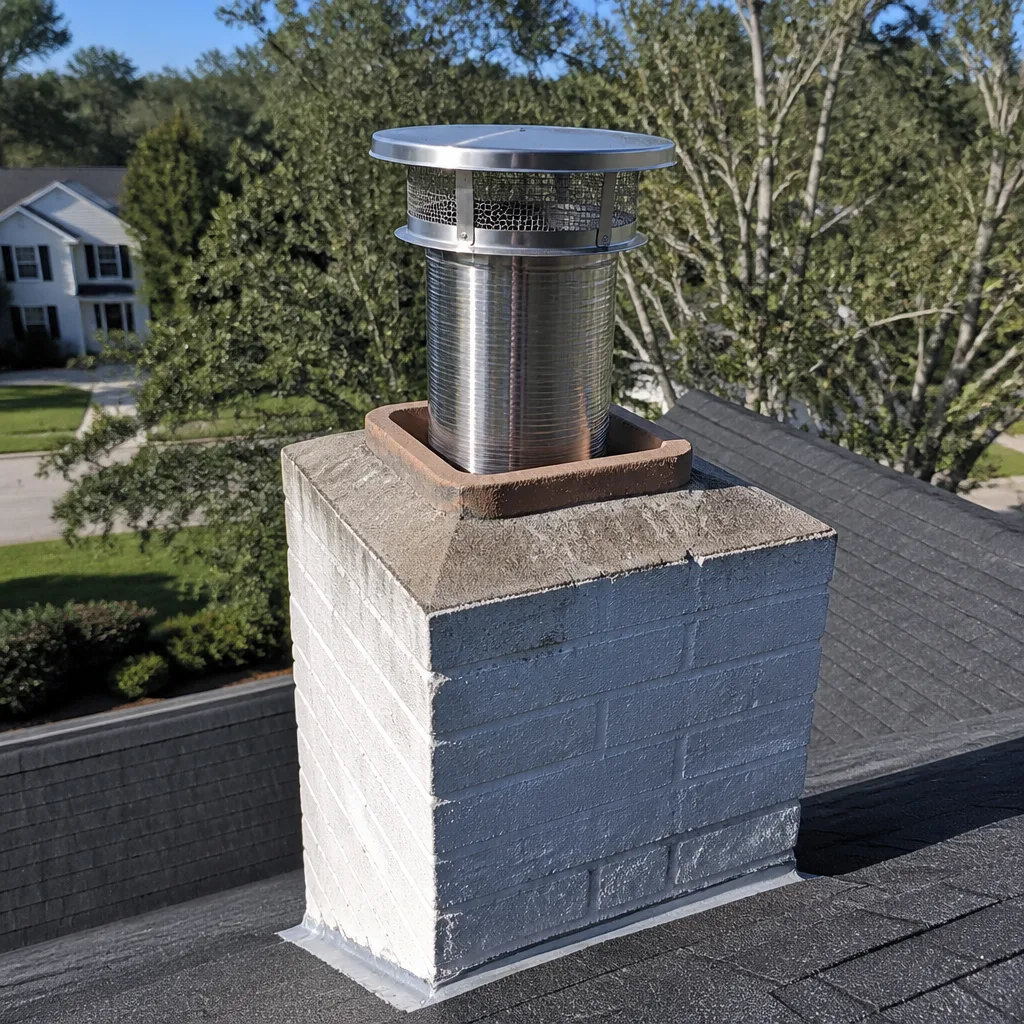 Flue relining
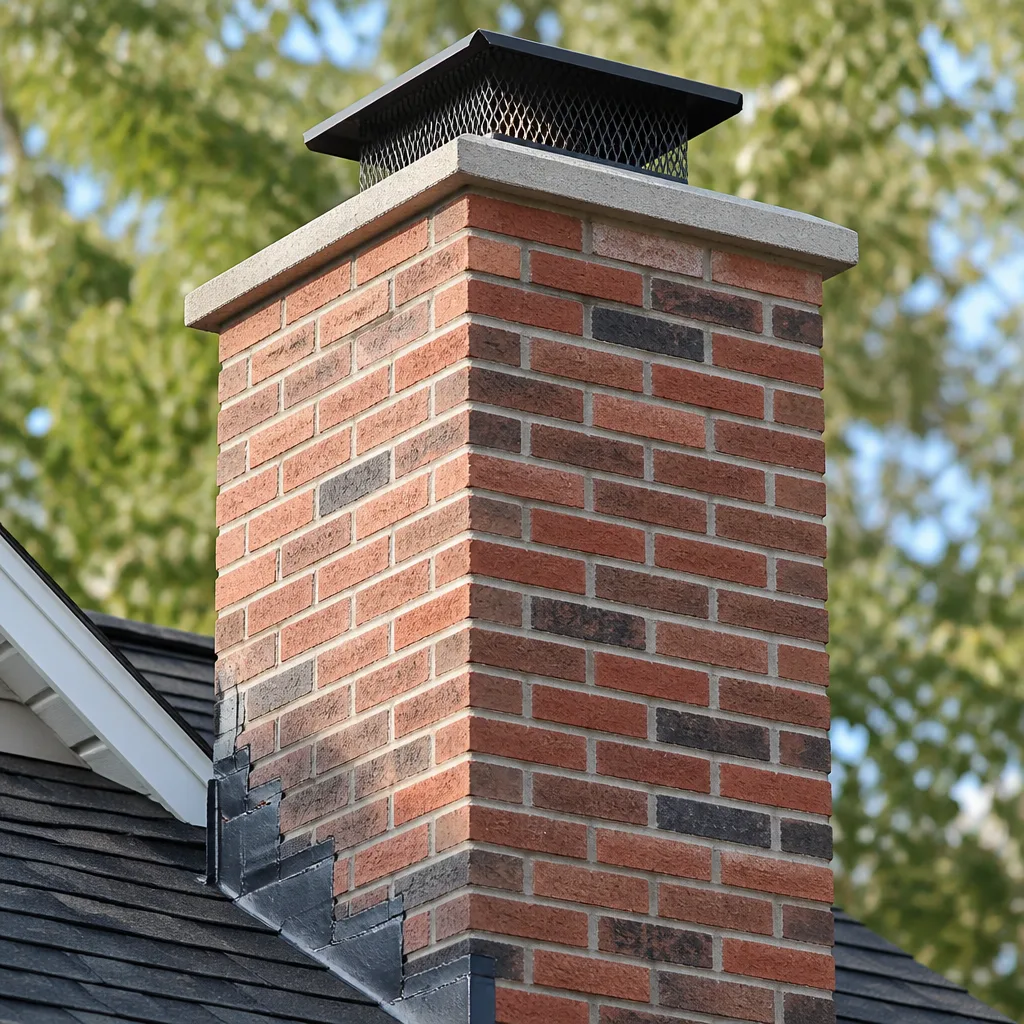 Masonry repair
Level 1 sweep and inspection to the NFPA 211 annual standard - flue, crown, cap, and flashing checked and photographed
Chimney sweep logs do not sweep chimneys. They loosen some creosote - which then falls where a brush and vacuum still have to collect it.
Why Charleston Homeowners Choose HeatShield Chimney Cleaning
We provide independent HeatShield chimney cleaning and service in Charleston, SC. HeatShield is a flue resurfacing product, and it behaves differently from bare clay tile or a stainless liner, so it needs a sweep who knows what they’re looking at before a brush goes up the flue. Our technicians have up to experience working around cast refractory linings in Charleston’s humid, storm-prone climate, and we treat a resurfaced flue as the specialized system it is.
Charleston Chimney Cleaning is an independent service provider. We are not affiliated with, authorized by, or a dealer for HeatShield. We work with the product because it shows up in Charleston chimneys and it deserves proper handling, and we’ll tell you plainly what your lining can and cannot tolerate. To book an inspection or a sweep on a HeatShield flue, call (866) 864-1983.
Key Takeaways
- We service HeatShield flues as an independent provider – not affiliated with or authorized by the manufacturer.
- Sweeping technique matters: abrasive poly brushes can scuff a cast refractory surface that a softer approach won’t.
- Most HeatShield calls in Charleston start with a Level 2 inspection, because the failure modes are internal and hidden.
- Charleston’s humidity and storm-driven rain are the two forces that most often break down a resurfaced lining over time.
- We repair, recoat and reline with materials that match the system, and we tell you honestly when a fix can wait.
Why Trust Charleston Chimney Cleaning for Your HeatShield Chimney Cleaning?
Our technicians work on HeatShield systems often enough to recognize how a poured refractory lining ages in Lowcountry conditions. That familiarity is the whole point. Someone who has never handled a resurfaced flue may sweep it the same way they’d sweep raw clay tile, and that can scuff a surface that was never meant to take heavy abrasion. We know the difference, and we adjust the tool and the pressure to the lining in front of us.
We use quality parts that fit HeatShield equipment. A cast refractory system calls for matching refractory materials, not a generic mortar that hardens differently and bonds poorly. We steer owners toward the correct product for any patch or recoat, and we hold aftermarket parts to jobs where they actually belong, like caps, dampers and flashing. That keeps the repair honest and keeps the system working as designed.
Warranty-safe practice guides everything we do. We don’t abrade a surface we shouldn’t, we don’t patch over a crack without understanding how deep it runs, and we don’t recommend a full reline when a recoat will hold. If a manufacturer’s warranty depends on how a system is serviced, we want our work to respect that. Every job starts with a free estimate, and the written estimate sets the final price.
Styles & brands we work with
- Sweep & inspection
- Caps & crowns
- Flue relining
- Masonry repair
- Gas fireplace service
Common HeatShield Chimney Cleaning Problems We Fix in Charleston
These are the issues we run into most with HeatShield systems in Charleston. Each one tends to show up the same way, and each one has a real cause worth understanding.
- Cerfractory coating delaminating or flaking. A poured refractory resurfacing bonds to the clay tile beneath it. If the original tile wasn’t cleaned to bare substrate before application, the coating can lift and flake off in sheets. Once it separates, the seal is gone and creosote finds the gap. This is a preparation failure, not a product failure, which is why who applied it matters as much as what was applied.
- Hairline cracking from thermal cycling. Cast refractory expands and contracts with every fire. Over seasons, hairline cracks develop in the lining. Small cracks are normal wear. The trouble starts when they run deep enough to let creosote and moisture reach the clay tile behind the coating, because then the tile starts to break down underneath a surface that looks mostly intact.
- Crown and top-plate separation. When the crown pulls away from the flue at the top of the chimney, rainwater runs down between the HeatShield lining and the flue wall. In Charleston’s storm season that water has a long time to work. It shows up as staining and spalling near the chimney top long before an owner notices anything at the firebox.
- Misdiagnosis at the sweep stage. A technician who doesn’t recognize HeatShield resurfacing may reach for an abrasive poly brush and scuff the refractory surface, leaving it rougher and easier for creosote to cling to next season. The flue gets swept, but the lining comes out worse for it.
- Water intrusion behind the lining. Charleston’s humid subtropical climate and wind-driven hurricane-season rain push moisture into any gap they can find. When water gets behind a resurfaced lining and can’t dry, it feeds efflorescence, spalling and slow breakdown of the brick around it. This is often what started the problem in the first place.
One pattern we see often: a homeowner notices creosote odor and a bit of crumbling material at the firebox after a season of burning. A Level 2 inspection finds the HeatShield Cerfractory coating cracked in a few spots with creosote working in behind it. A qualified sweep typically identifies the affected flue, removes the creosote without abrading the refractory, and recommends recoat versus a full reline based on how far the cracking extends. Crown and flashing get checked at that same visit, since water intrusion is often what started the breakdown.
HeatShield Parts & Our Repair-vs-Replace Approach
HeatShield systems call for matching refractory materials. A patch made with the wrong mortar can look fine for a season and then fail where it meets the original lining, because the two materials expand and cure differently. So we lean toward proper HeatShield-spec product for any patch or recoat, and we keep aftermarket parts for caps, dampers and flashing – places where fit and function are straightforward.
The repair-versus-replace call comes down to how far the damage runs. A coating cracked in a couple of spots, with sound tile behind it, is usually a recoat. A lining cracked through to the tile, or a tile course that’s already breaking up under a resurfaced surface, is a different conversation. We don’t patch over a problem that runs deeper than the patch. If a liner has failed structurally, we’ll say so and walk you through the options rather than sell you a coat of paint over a crack.
You’ll get the reasoning, not just the verdict, and you’ll see the evidence from the inspection before anything is recommended. Call (866) 864-1983 for a free estimate on your HeatShield flue.
Our HeatShield Service Process – Step by Step
- 1
Diagnosis. We start with a Level 2 inspection and a camera run of the flue. On a HeatShield system that means looking closely at the refractory surface: where it’s cracked, where it’s flaking, whether the crown and top plate are tight, and whether water has been getting in behind the lining.
- 2
Creosote removal. We clear the creosote without abrading the refractory. That means choosing the sweep tool to match the surface and taking our time on a resurfaced flue rather than running a stiff brush up it.
- 3
Repair or recoat. If the lining needs work, we patch or recoat with matching HeatShield-spec refractory material. Where the damage runs deeper, we assess a cast-in-place lining around a new stainless liner and explain the trade-offs.
- 4
Crown and water work. We check the crown, flashing and top plate, because a resurfaced flue that keeps taking water will keep failing. Fixing the water path is part of protecting the lining.
- 5
Test and document. We confirm the flue draws correctly and give you a clear report of what we found and what we did, so you know the condition of your system for the next burning season.
See the difference
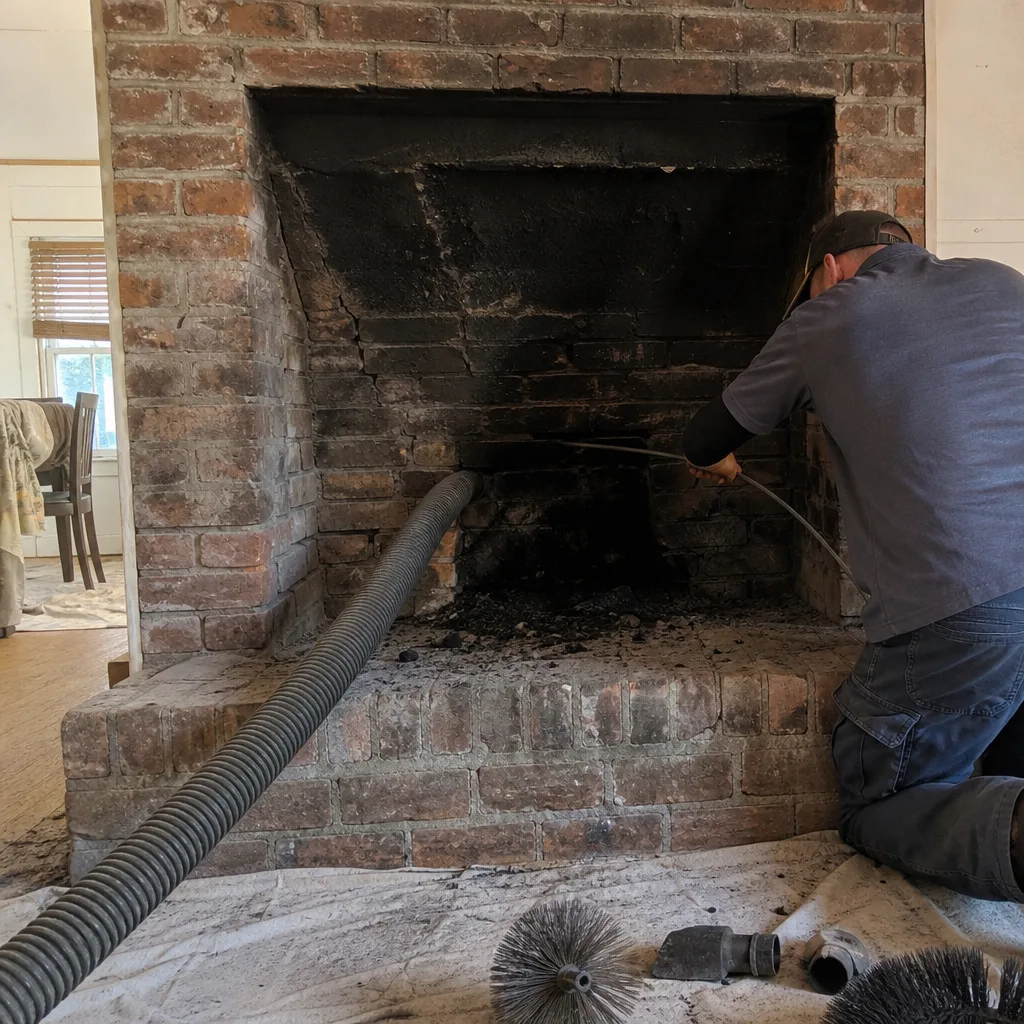 Before
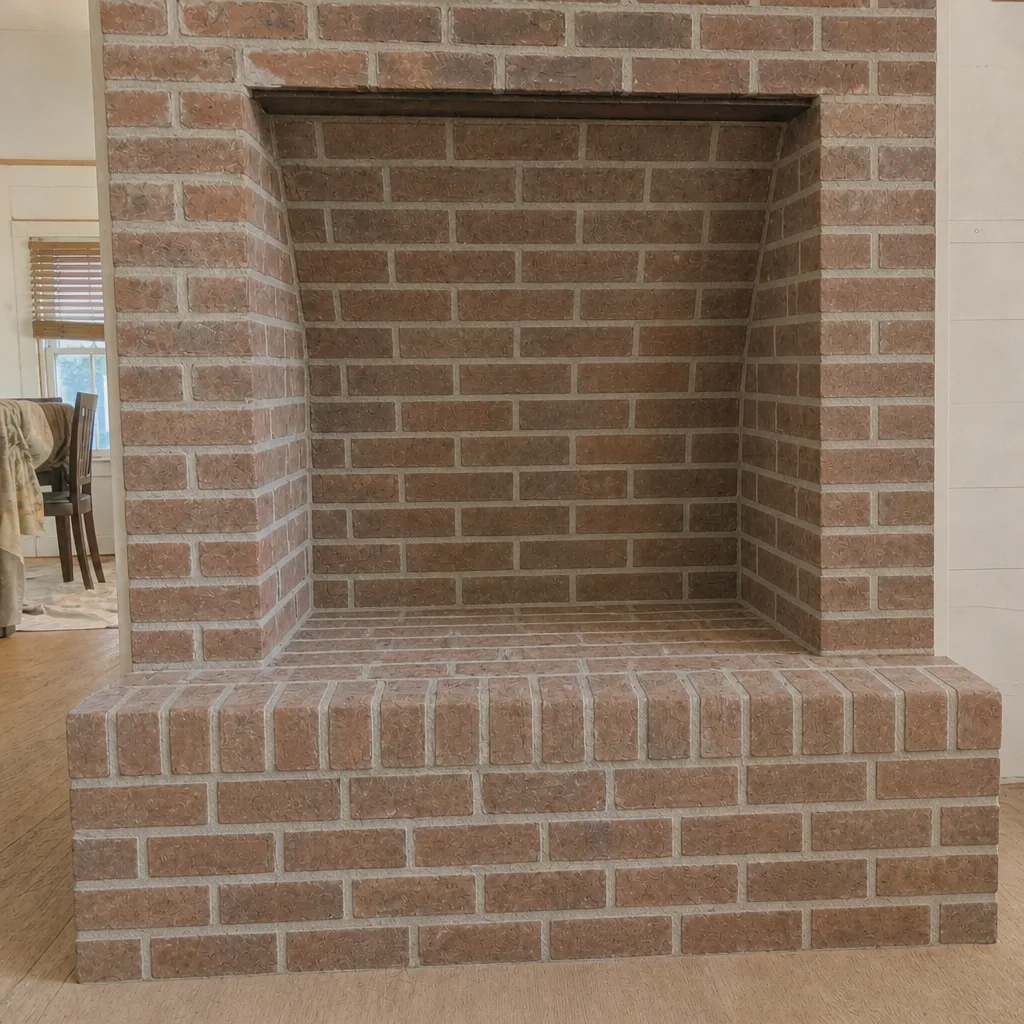 After
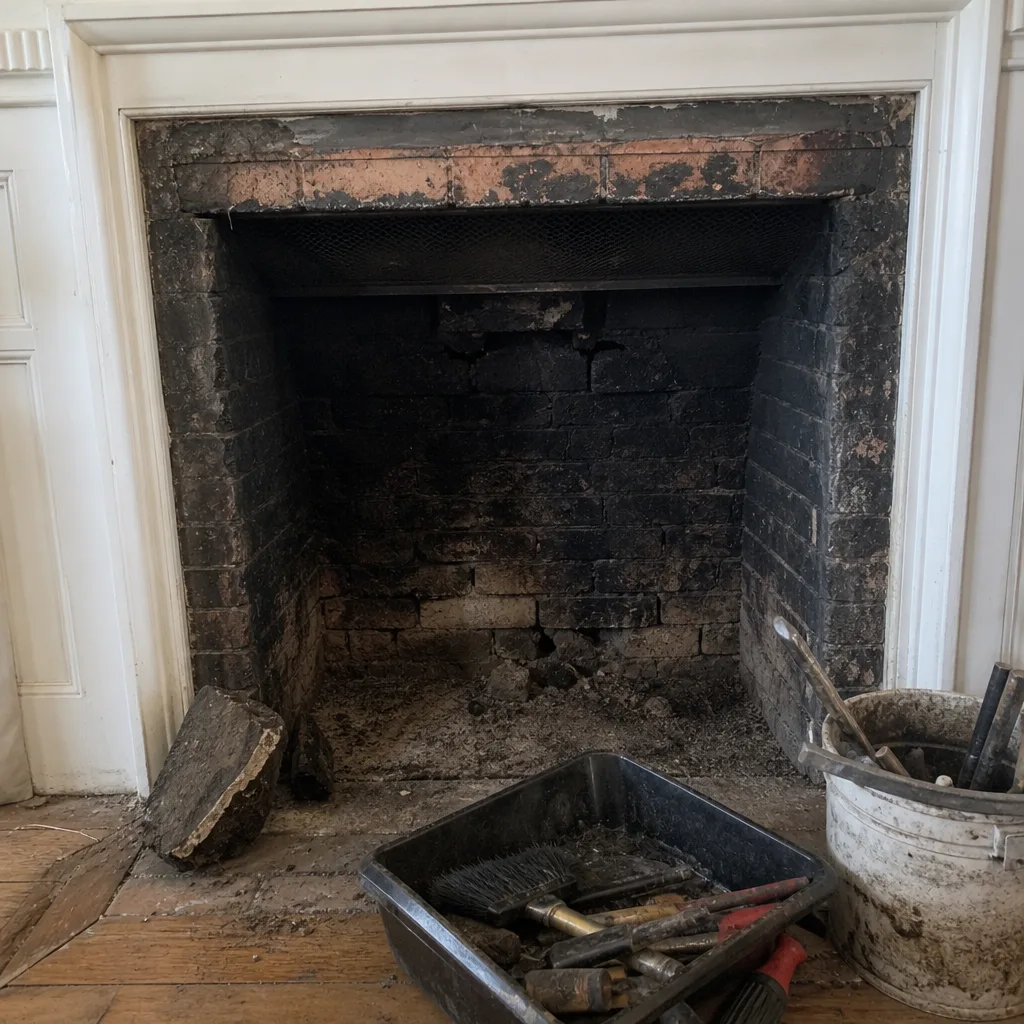 Before
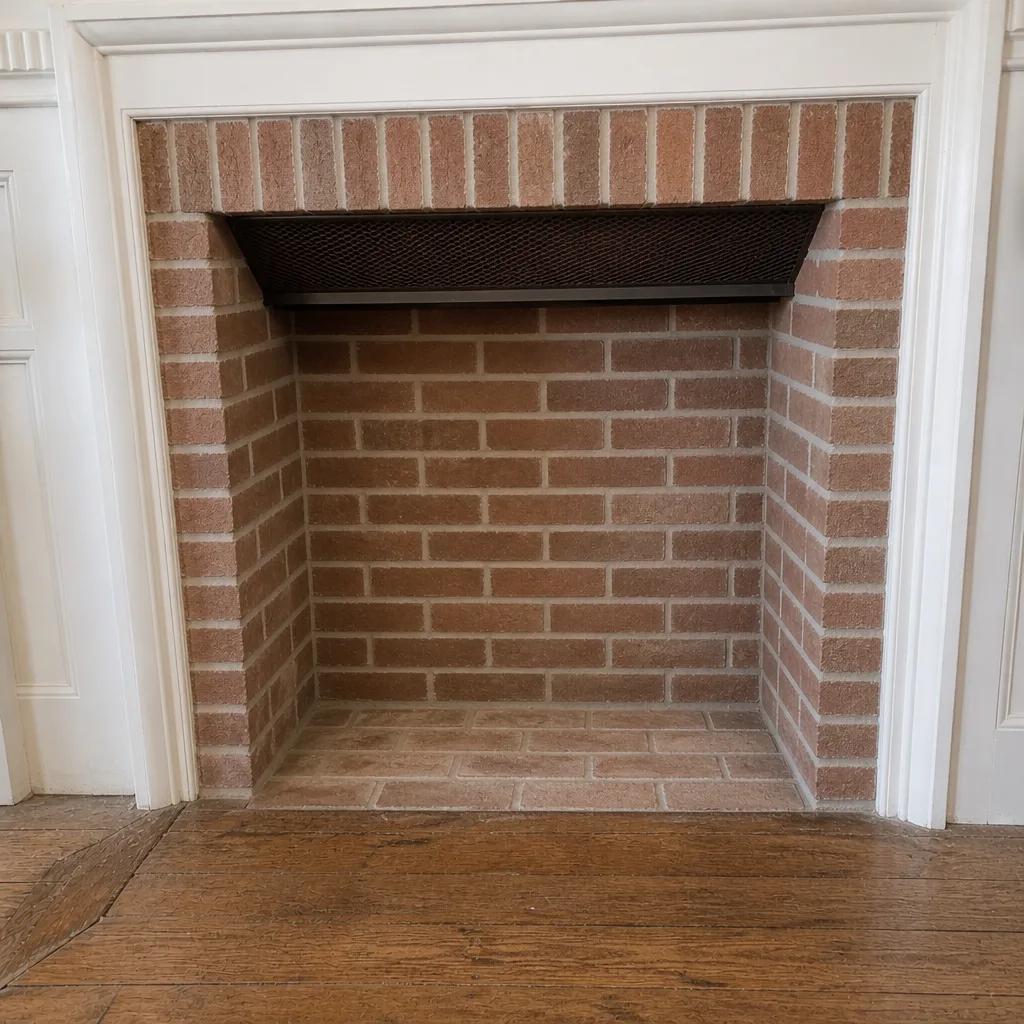 After
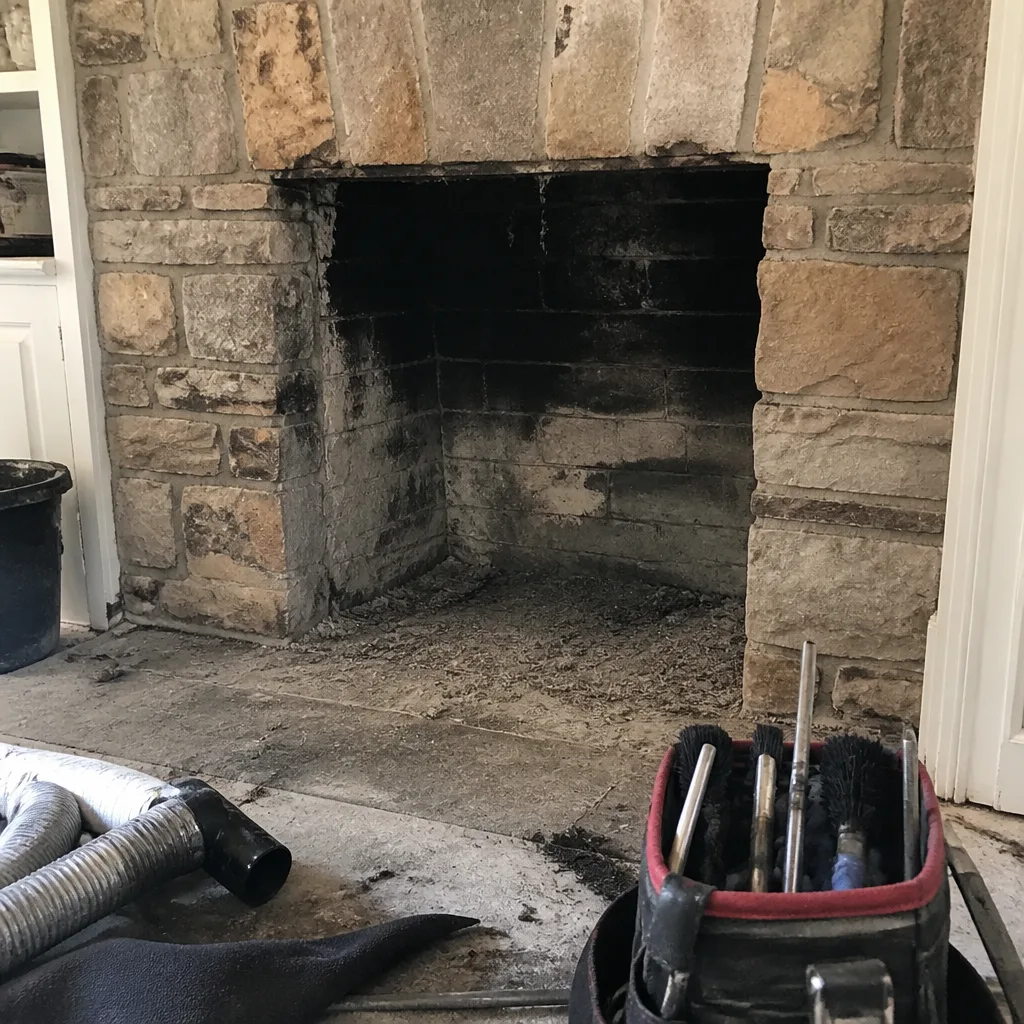 Before
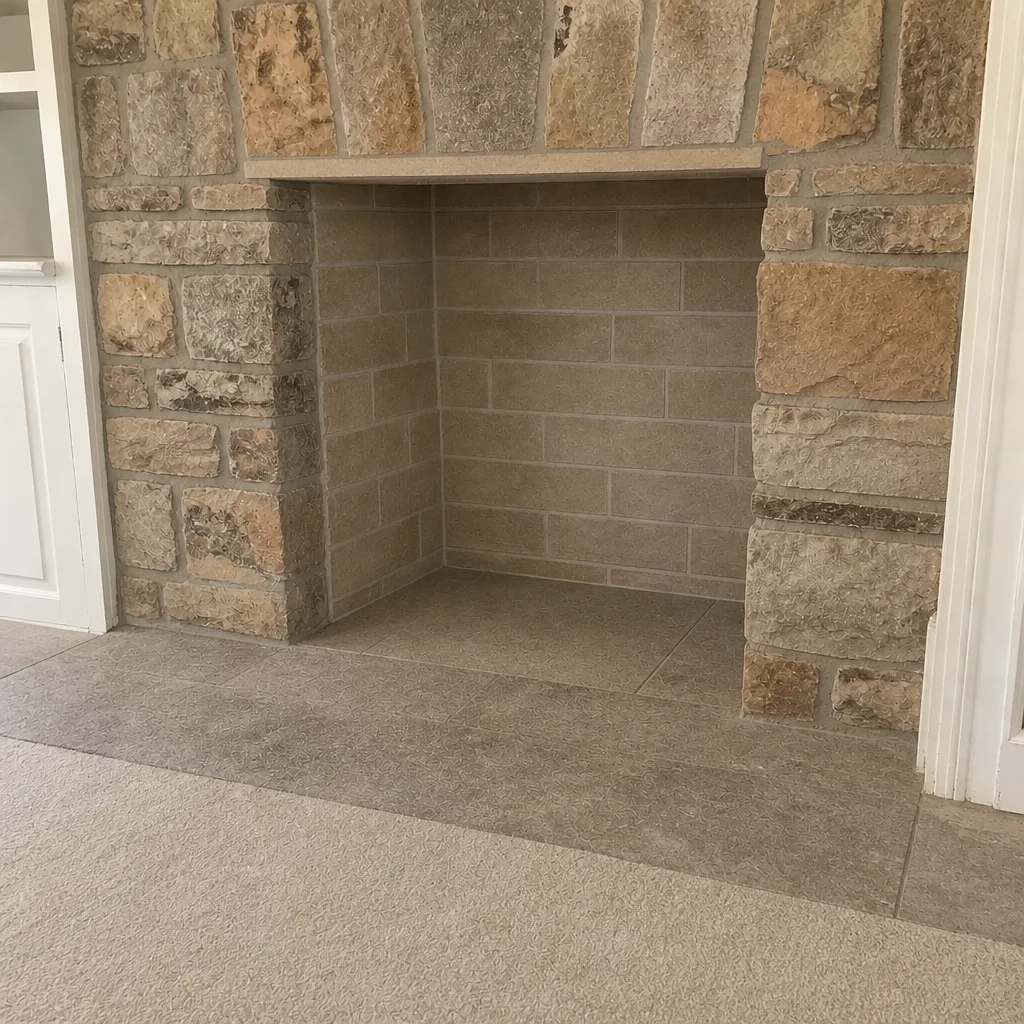 After
HeatShield Products We Service & Install in Charleston
We work with the HeatShield product types that come up in Charleston homes. That includes the HeatShield Cerfractory Flue Sealant, a poured refractory resurfacing for clay tile flues. We service the HeatShield Resurfacing System where it’s been applied over damaged clay tile liners. We handle HeatShield liners installed as a cast-in-place insulating refractory around a new stainless liner. And we use HeatShield refractory mortar for crown and firebox rebuilds alongside the flue lining. On any of these, we clean, inspect, patch and recoat, and we tell you when the system is holding fine and just needs a sweep. We’re an independent provider, not a HeatShield dealer.
We Also Service These Brands
We’re a multi-brand chimney specialist, not tied to a single product line. Beyond HeatShield, we work with DuraFlex flexible liners, Gelco chimney caps, Olympia Chimney, Famco venting products and Copperfield components. That range matters when an inspection turns up a repair: the same company that finds the problem can supply and install the right part, so you’re not sent off to source materials and call someone else back. From sweep to repair, one call covers it.
FAQs – HeatShield Chimney Cleaning Service in Charleston
Yes, a sweep using the wrong technique can damage it. A cast refractory surface is not the same as raw clay tile, and an abrasive poly brush run hard against it can scuff and roughen the surface. That rougher surface then holds creosote more readily next season. A sweep who recognizes HeatShield resurfacing will match the tool and pressure to the lining. If you’re not sure your last sweep knew the difference, an inspection will show it.
You can’t tell reliably from the firebox, and that’s the honest answer. Staining at the top of the chimney or a creosote odor can come from a hairline crack, a water path, or simple soot. The only way to know is a camera inspection of the flue that gets close to the refractory surface. We look for cracks that run through to the tile behind, since those are the ones that matter. Call (866) 864-1983 for a free estimate on an inspection.
It can need attention over time, yes. Cast refractory moves with every fire, so hairline cracking is a normal part of how the material ages. Most resurfaced flues go years before they need a recoat, and some never do. The variables are how hard the fireplace is used, how well the crown kept water out, and how the flue was swept along the way. A periodic inspection tells you where yours stands rather than guessing.
Yes. Water is one of the main things that breaks down a resurfaced flue over time. Charleston’s humidity and hurricane-season wind-driven rain find any gap at a separated crown or top plate and run down between the lining and the flue wall. Trapped moisture spalls the masonry and undermines the bond of the coating. That’s why we check crown, flashing and top plate at the same visit as any HeatShield cleaning. A free estimate starts with a call to (866) 864-1983.
No. HeatShield is a flue resurfacing product – a poured refractory lining applied to existing clay tile, or cast in place around a new stainless liner as insulation. A stainless steel liner is a separate metal flue component. They can work together, but they’re not the same thing, and each fails in its own way. Knowing which one you have is step one of any inspection.
A standard sweep on a HeatShield flue is typically in line with any other sweep, and the inspection is what determines whether more work is needed. Prices are set per job by the written estimate, which you get before any work is booked, and the estimate is free. Nothing beyond cleaning is recommended unless the camera shows a problem you can see for yourself – and if the lining is holding fine, we’ll tell you it can wait. Call (866) 864-1983 for an exact quote.
Book Your HeatShield Service in Charleston, SC
Whether your HeatShield flue is due for a sweep or you’ve been told it needs work, we’ll inspect it, show you what we find, and fix it if it needs fixing. We’re an independent provider, so you get an honest read on your lining rather than a sales pitch. Call (866) 864-1983 for a free estimate. We answer 24/7. Fast dispatch, 7am-7pm, Sunday through Friday.
Written by the team at Charleston Chimney Cleaning.